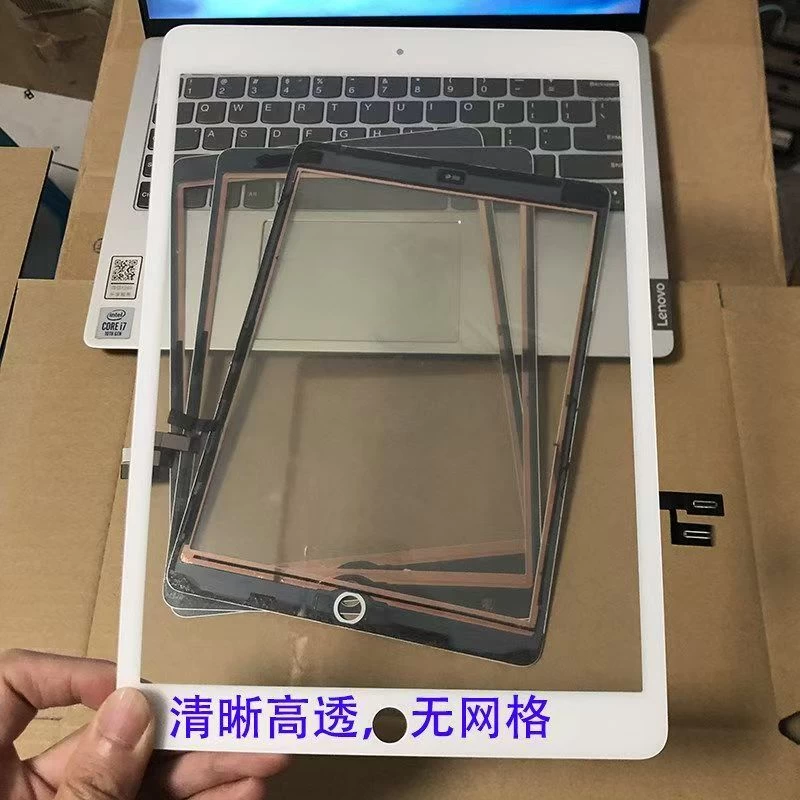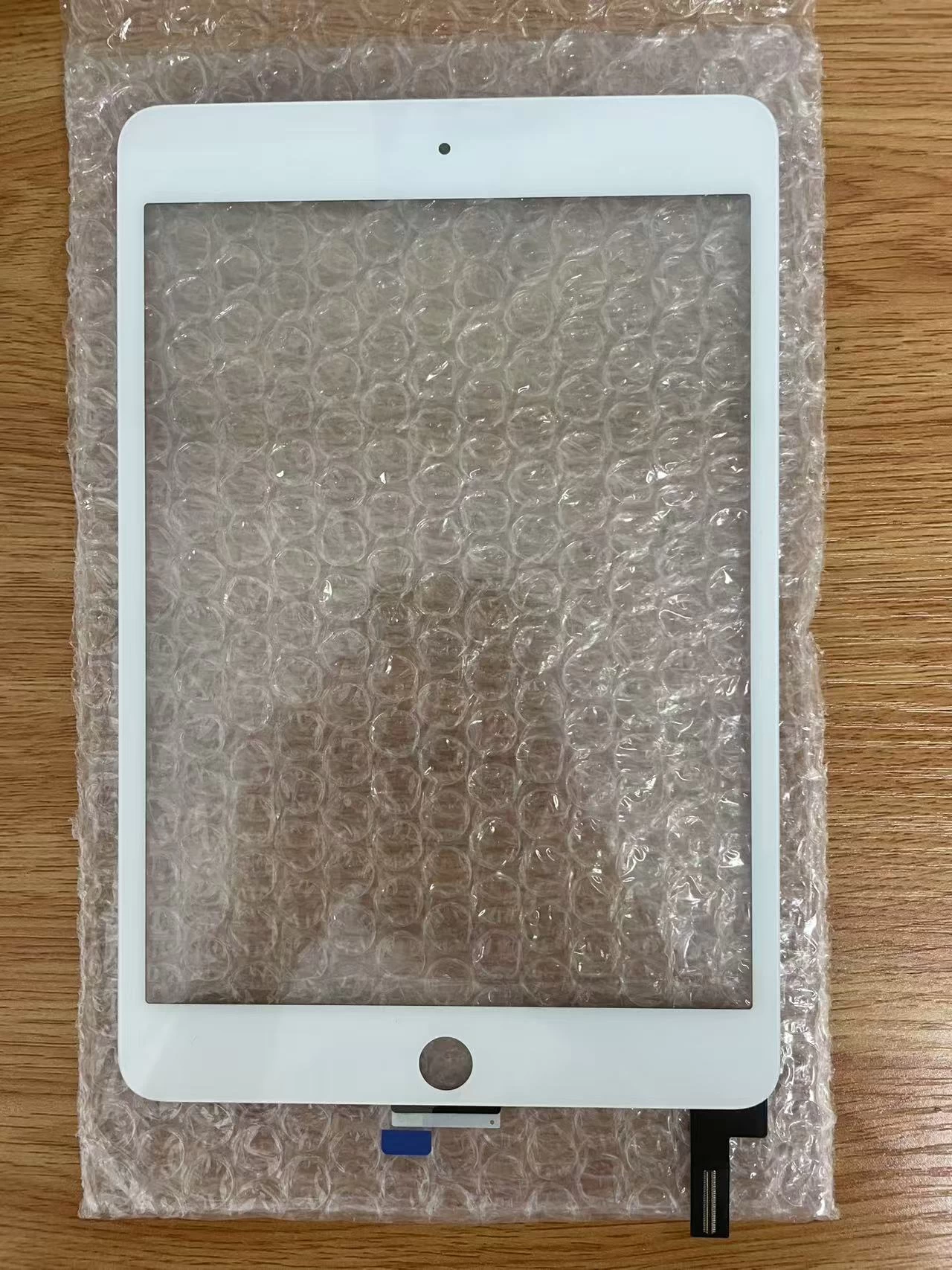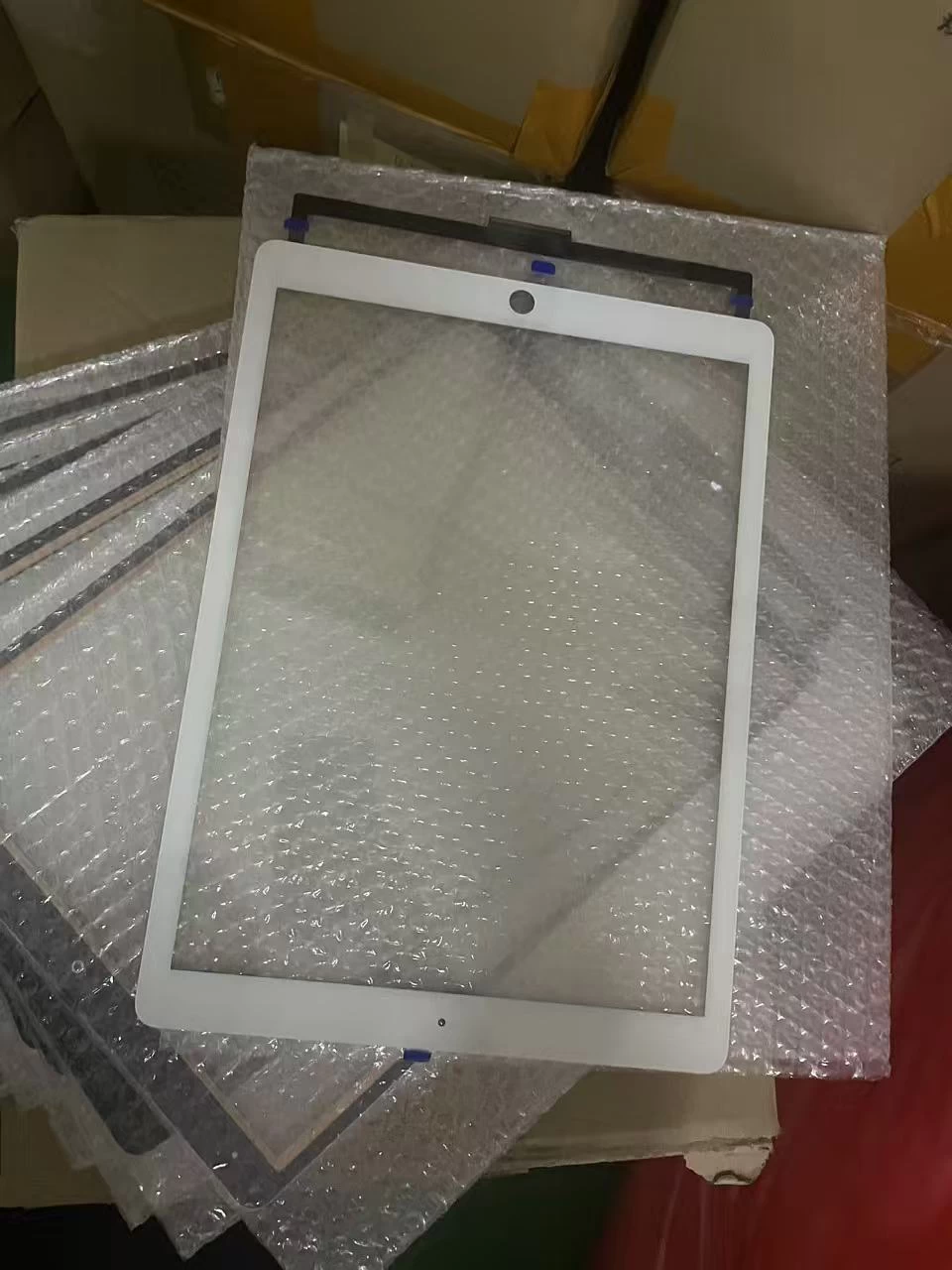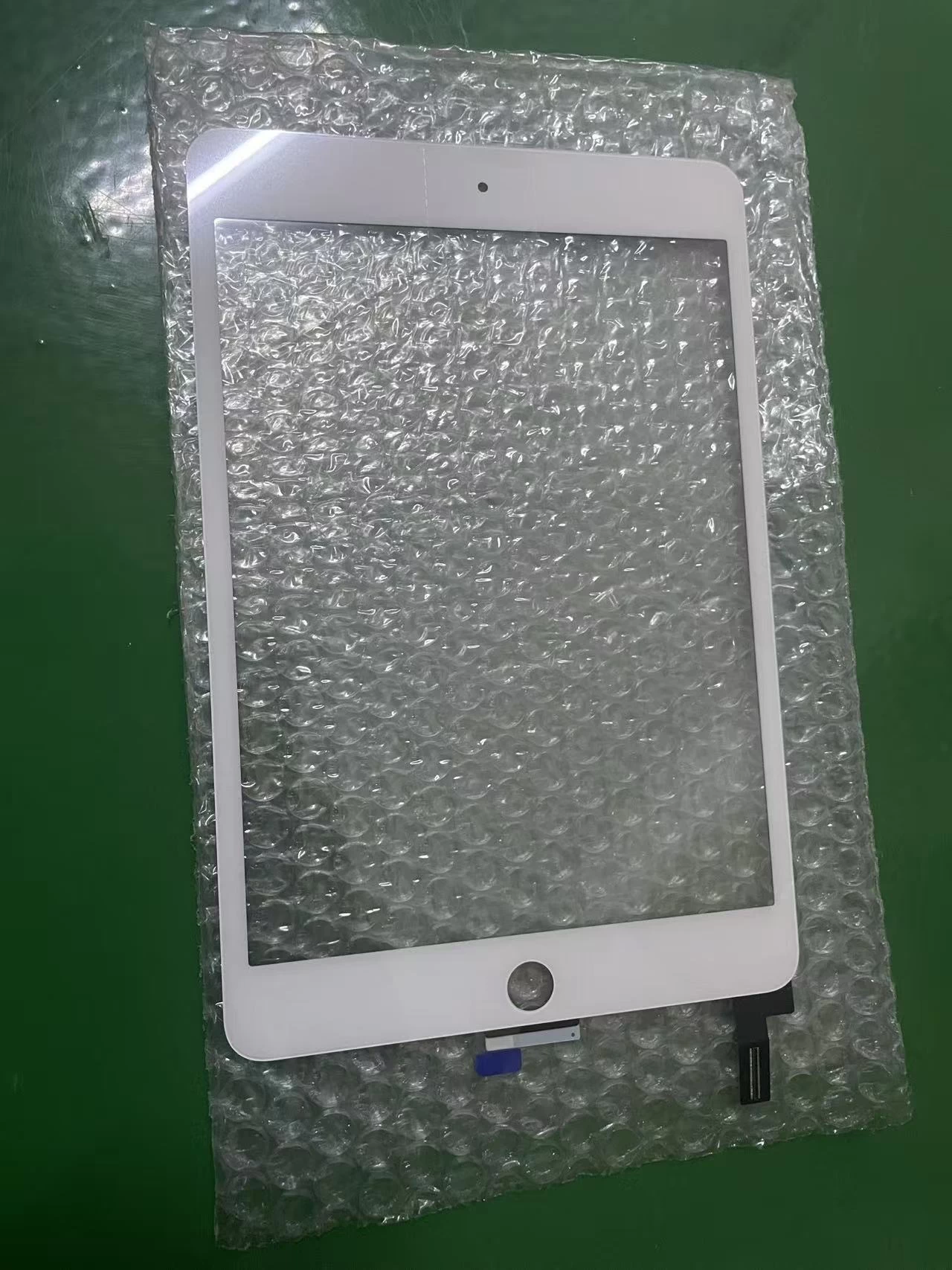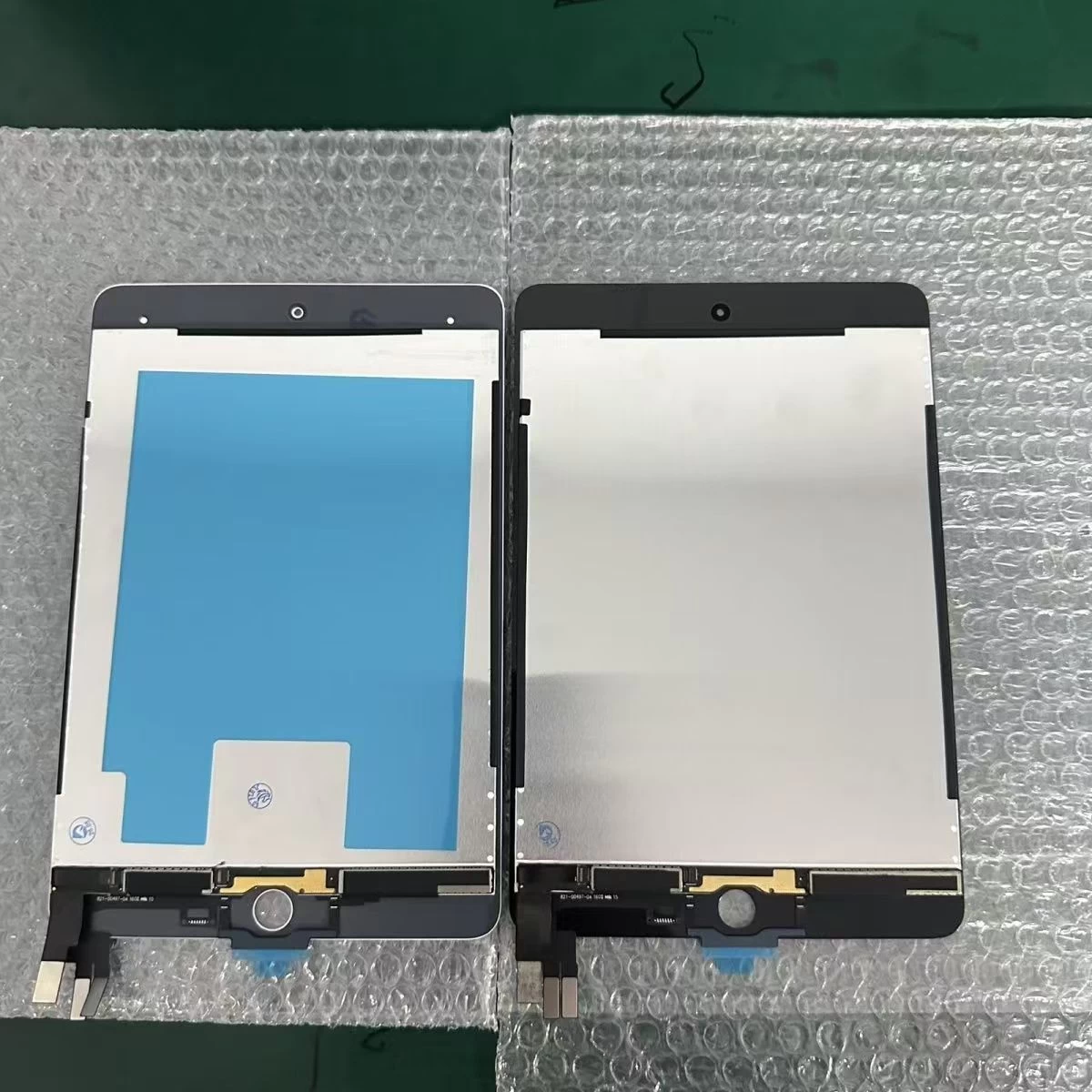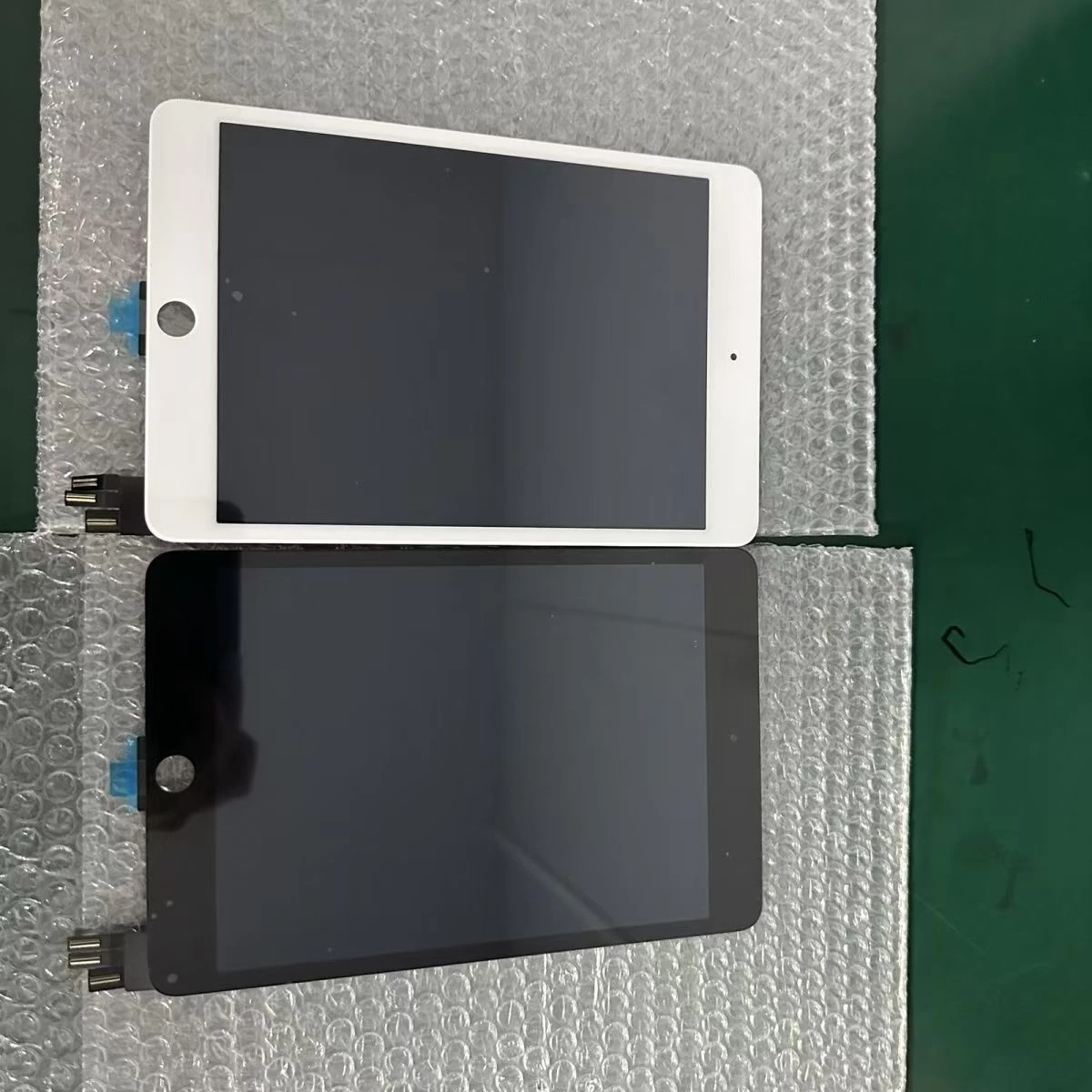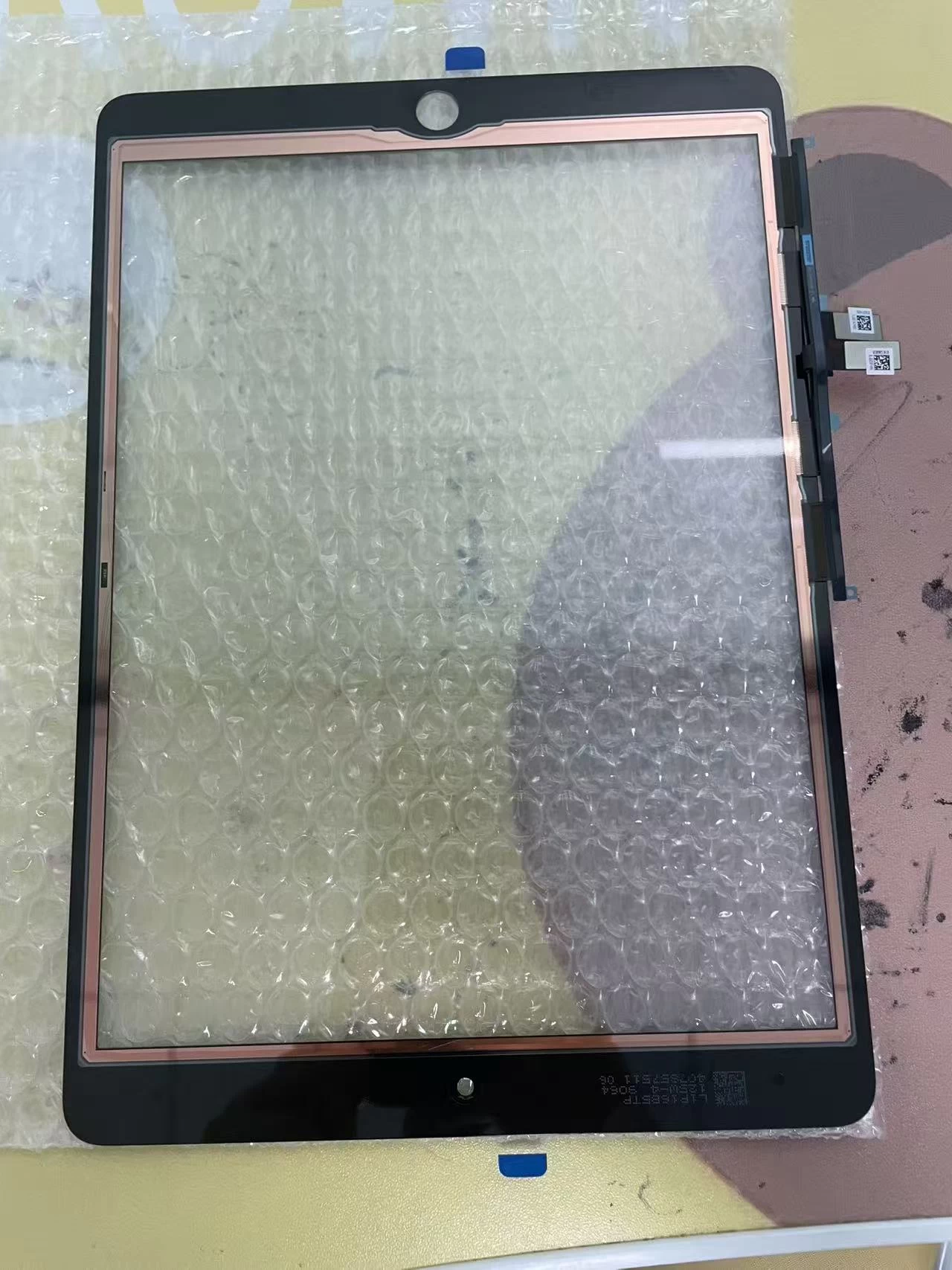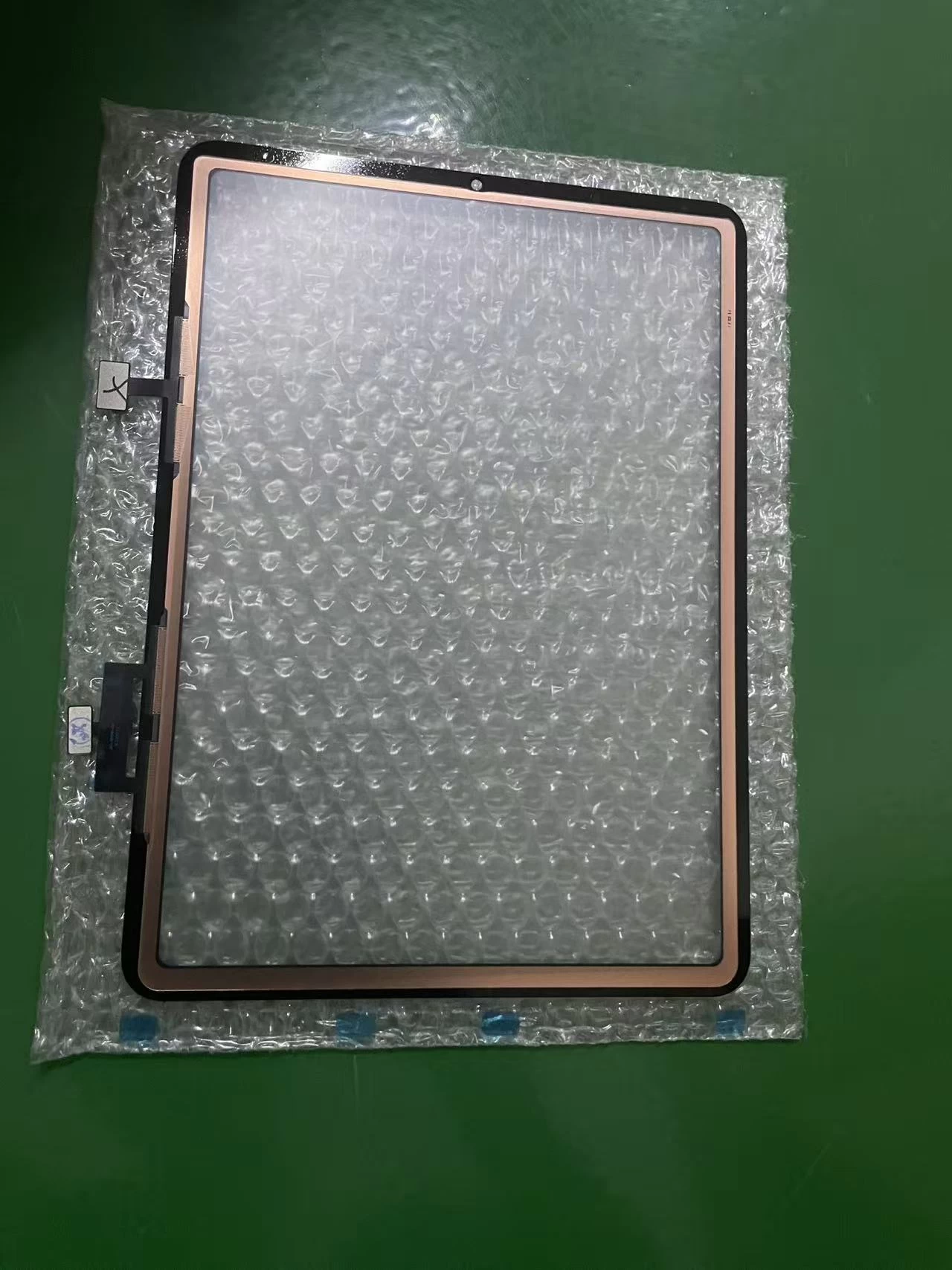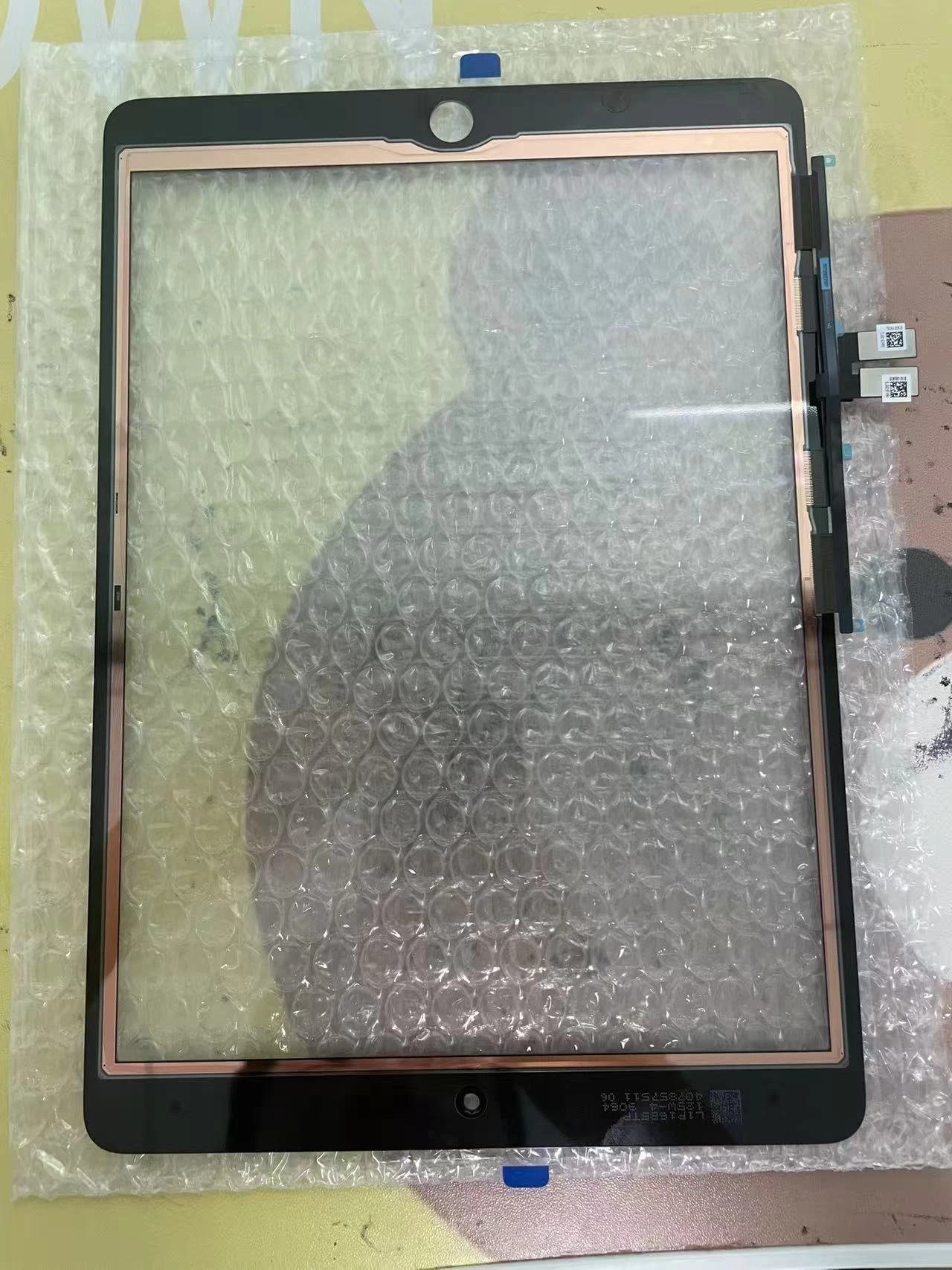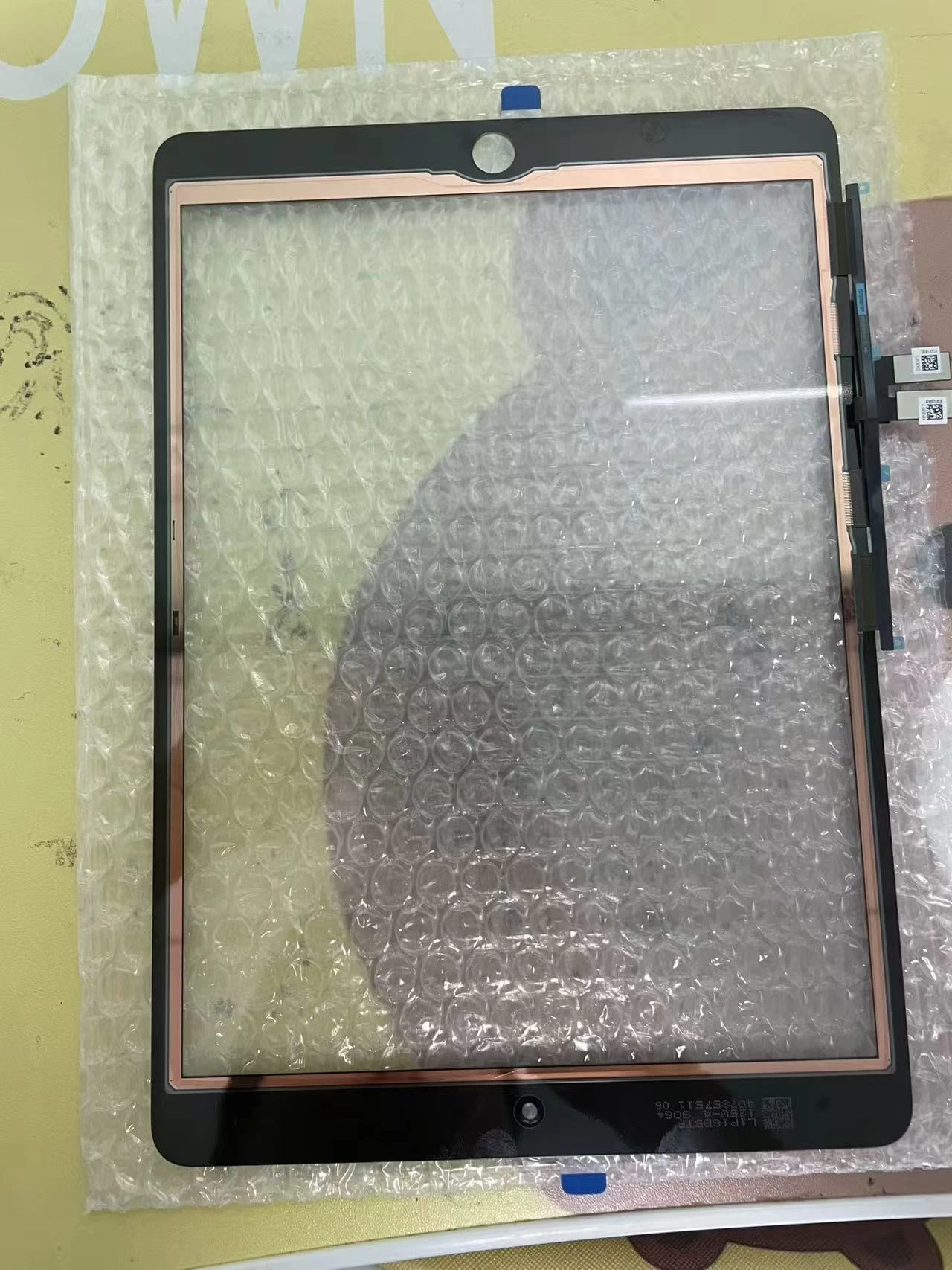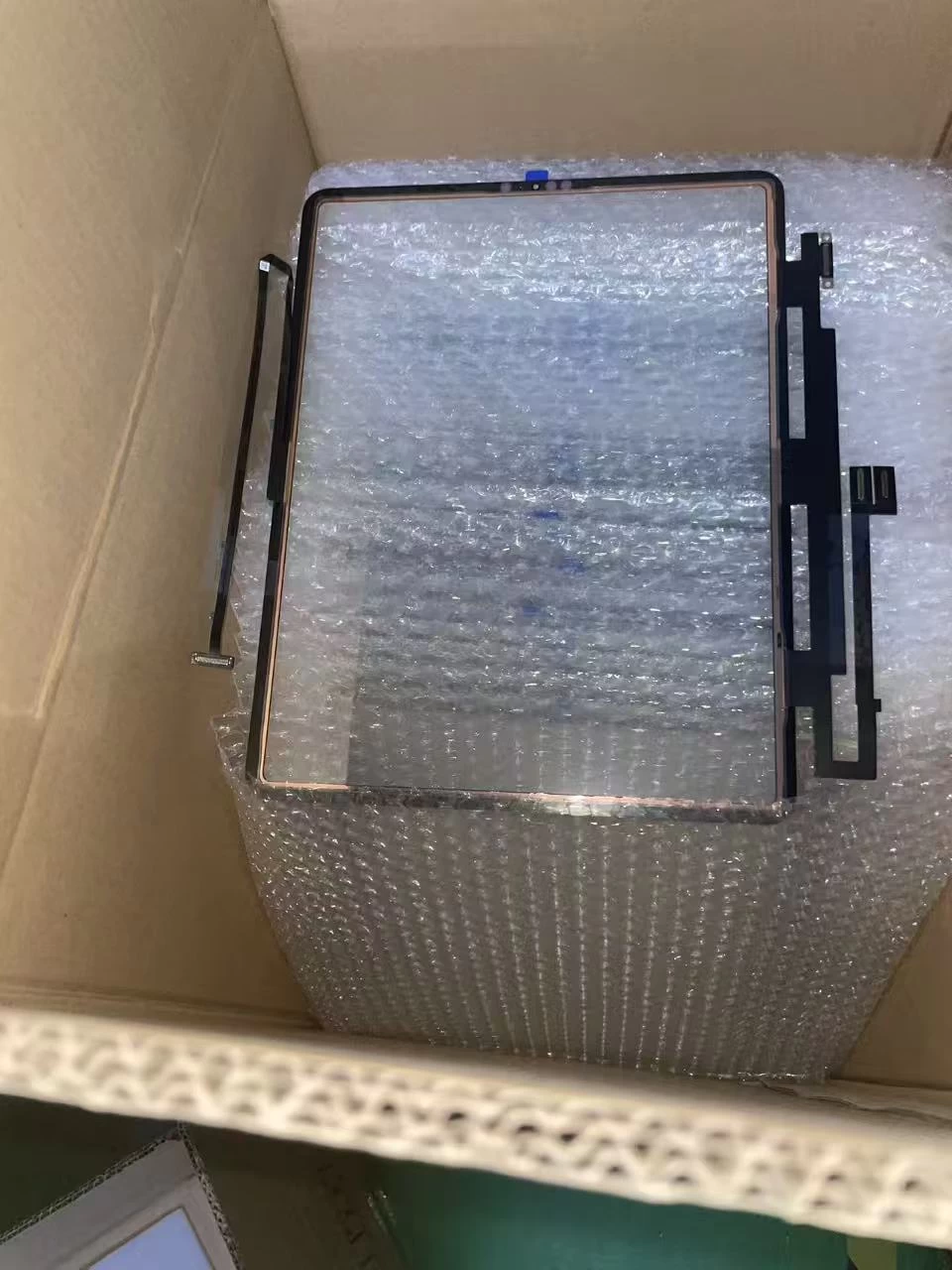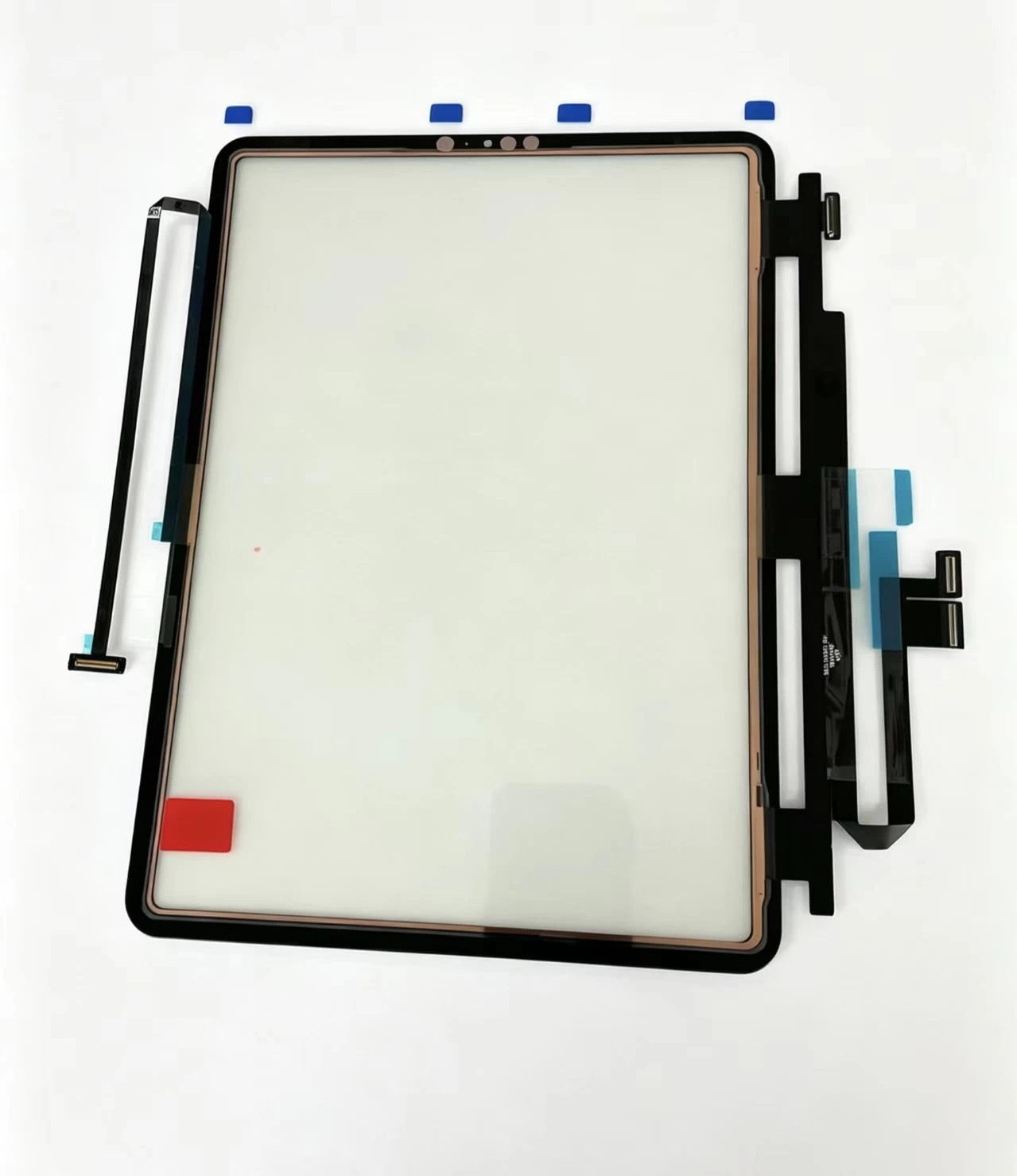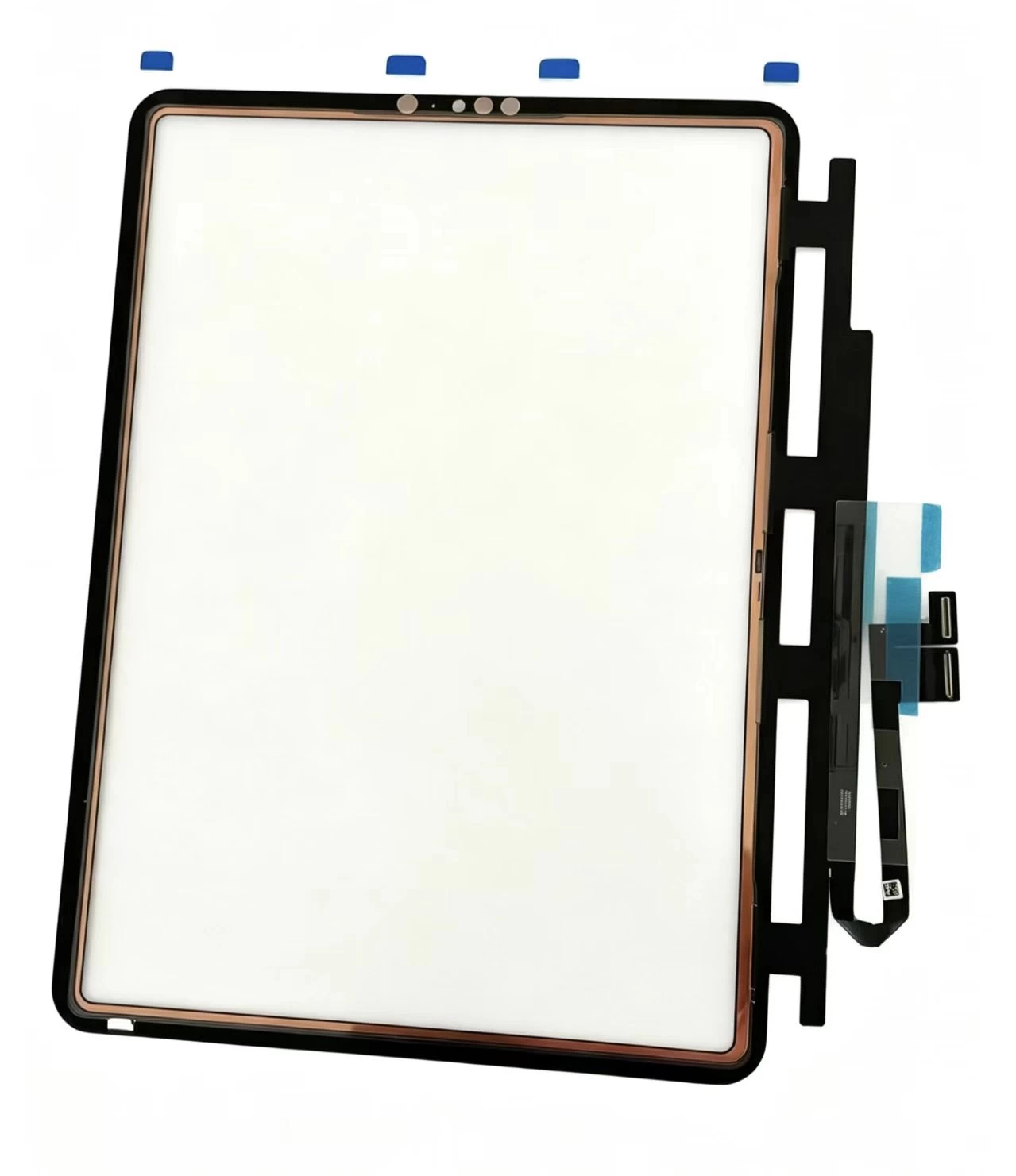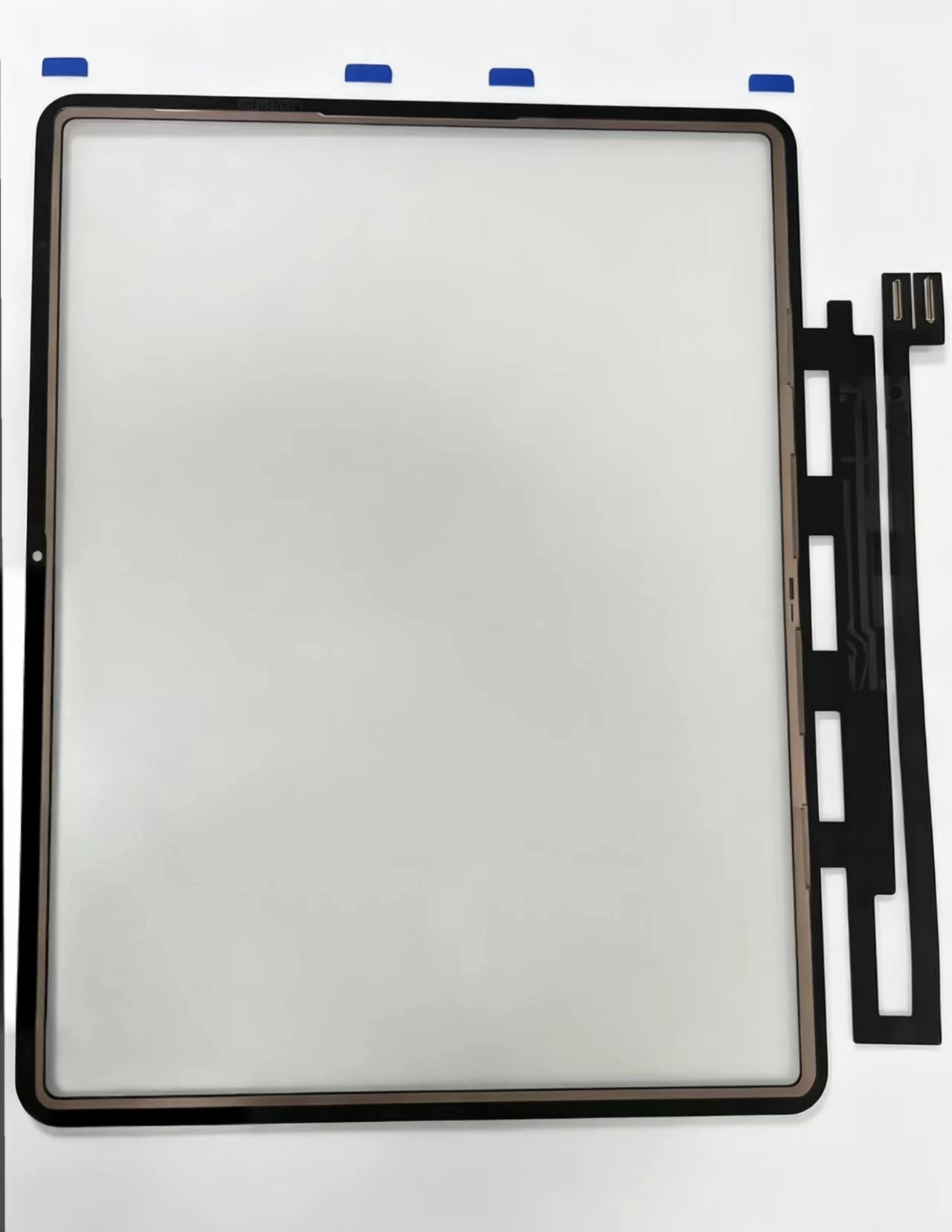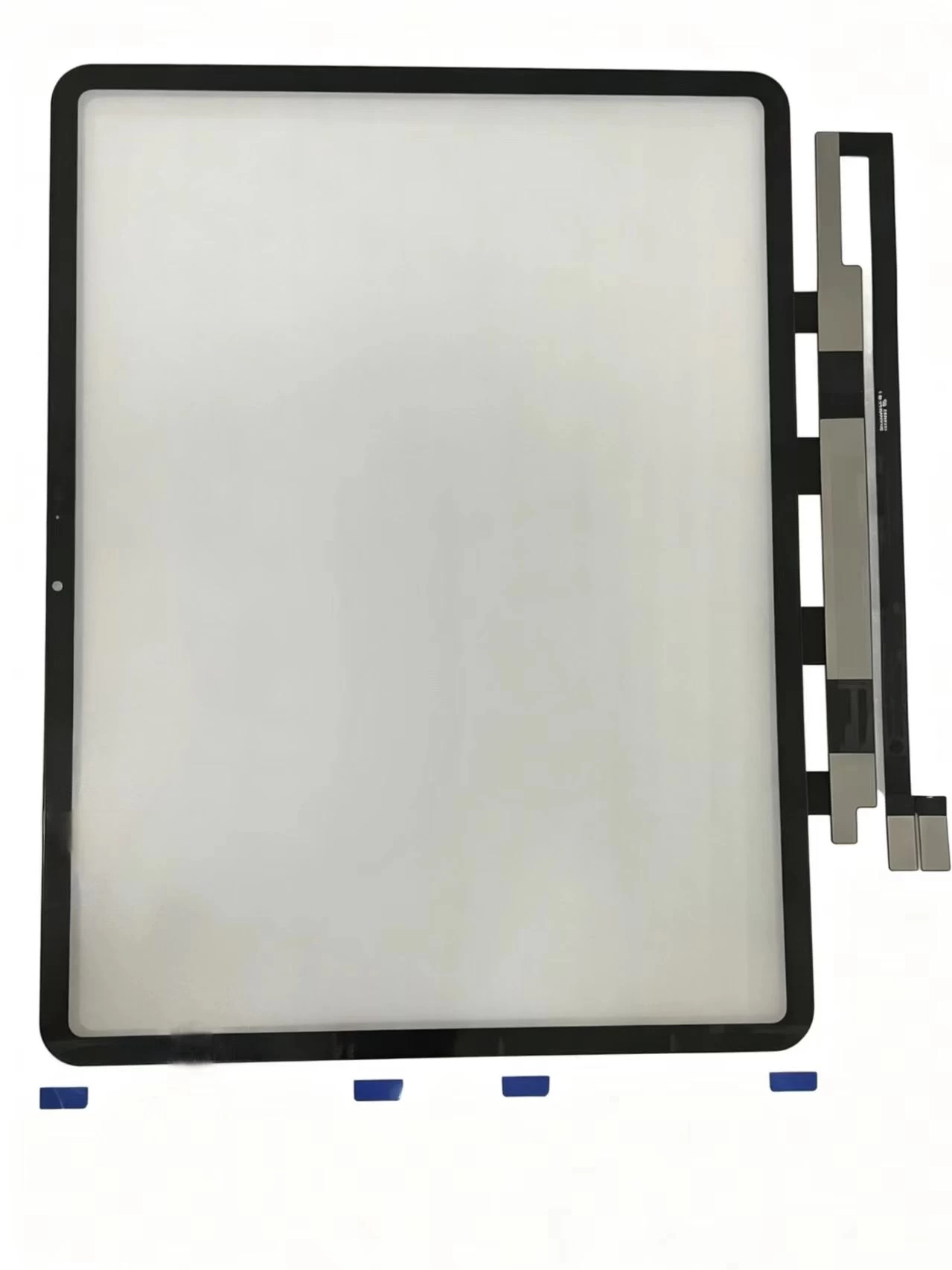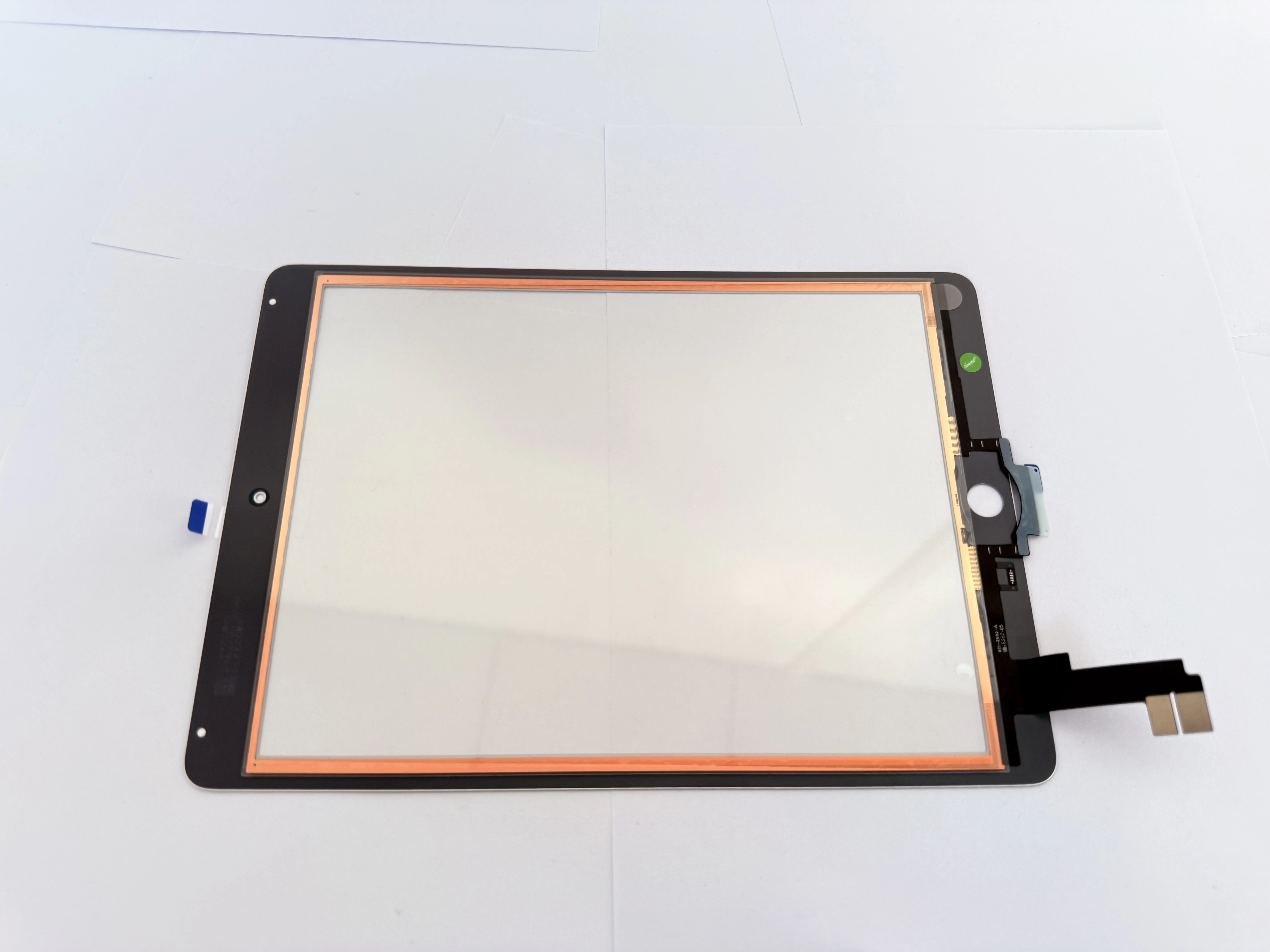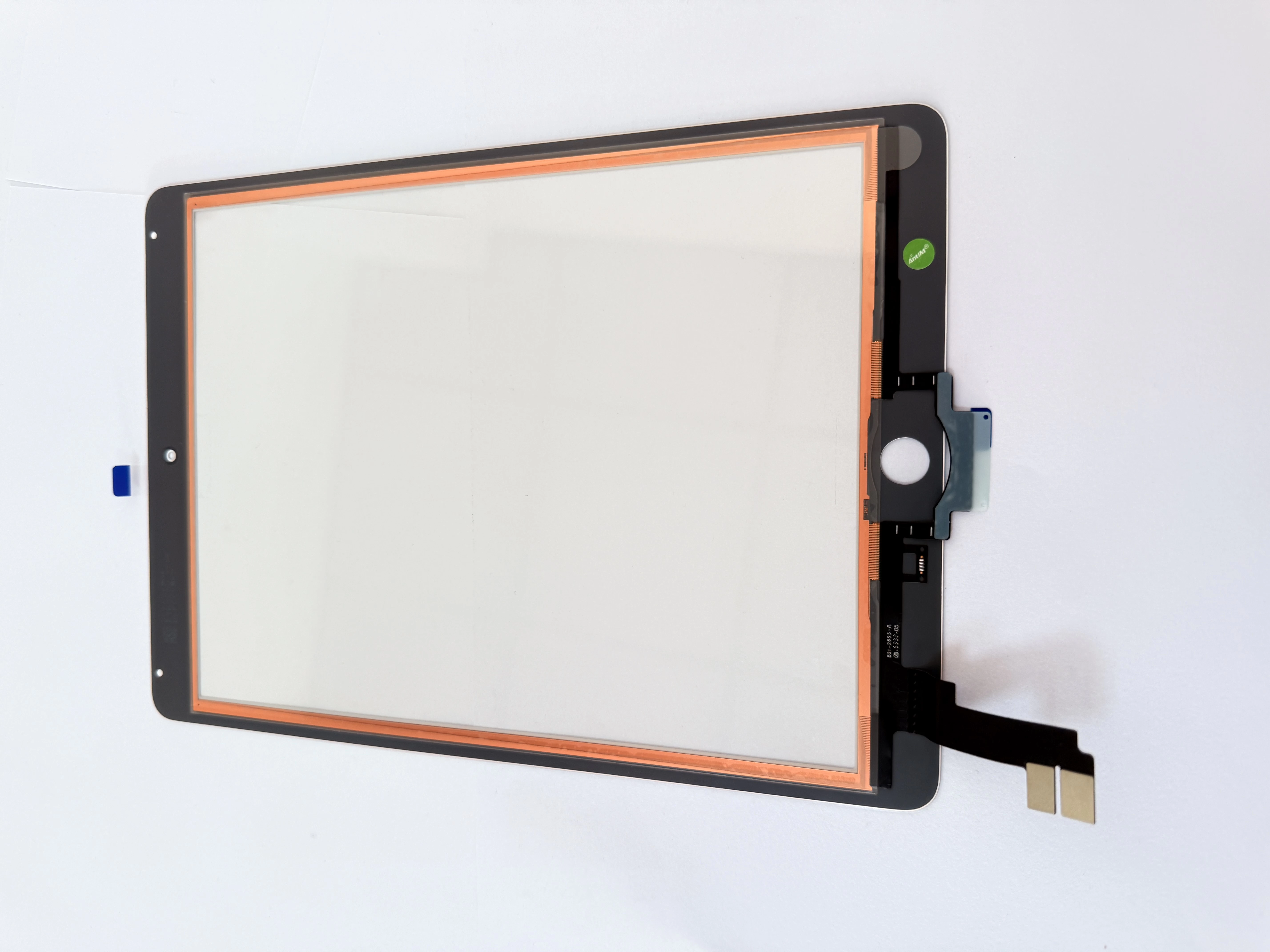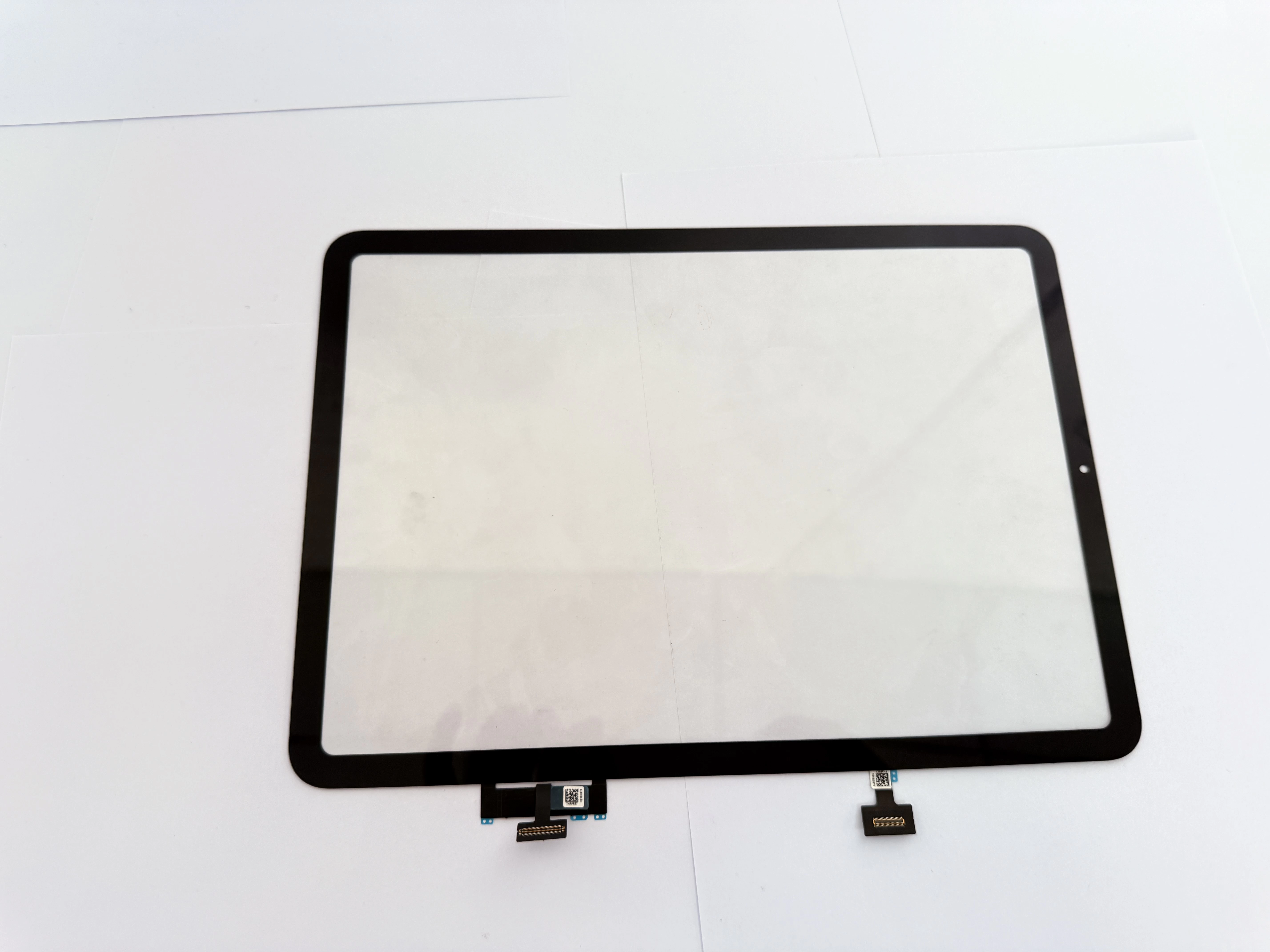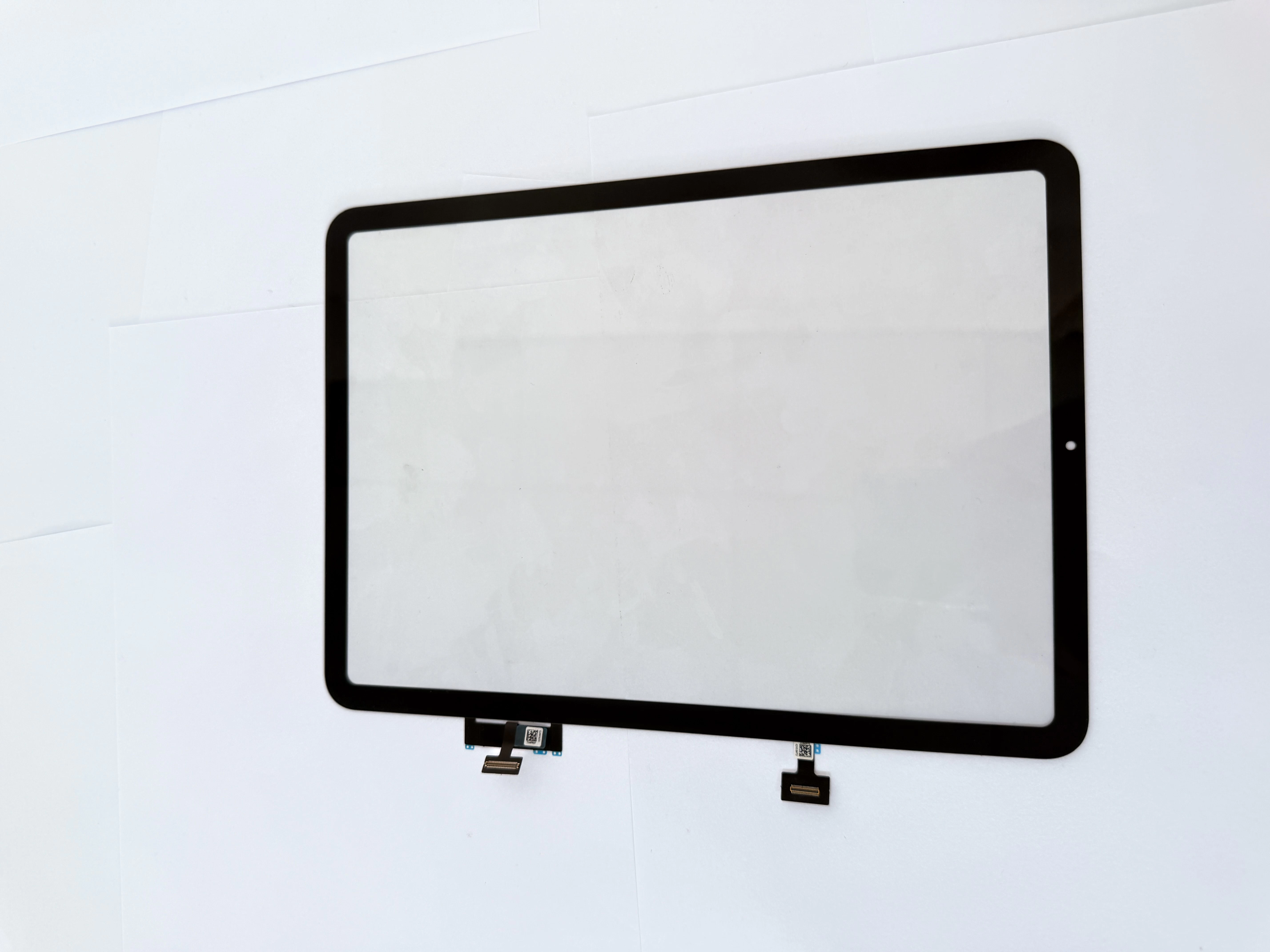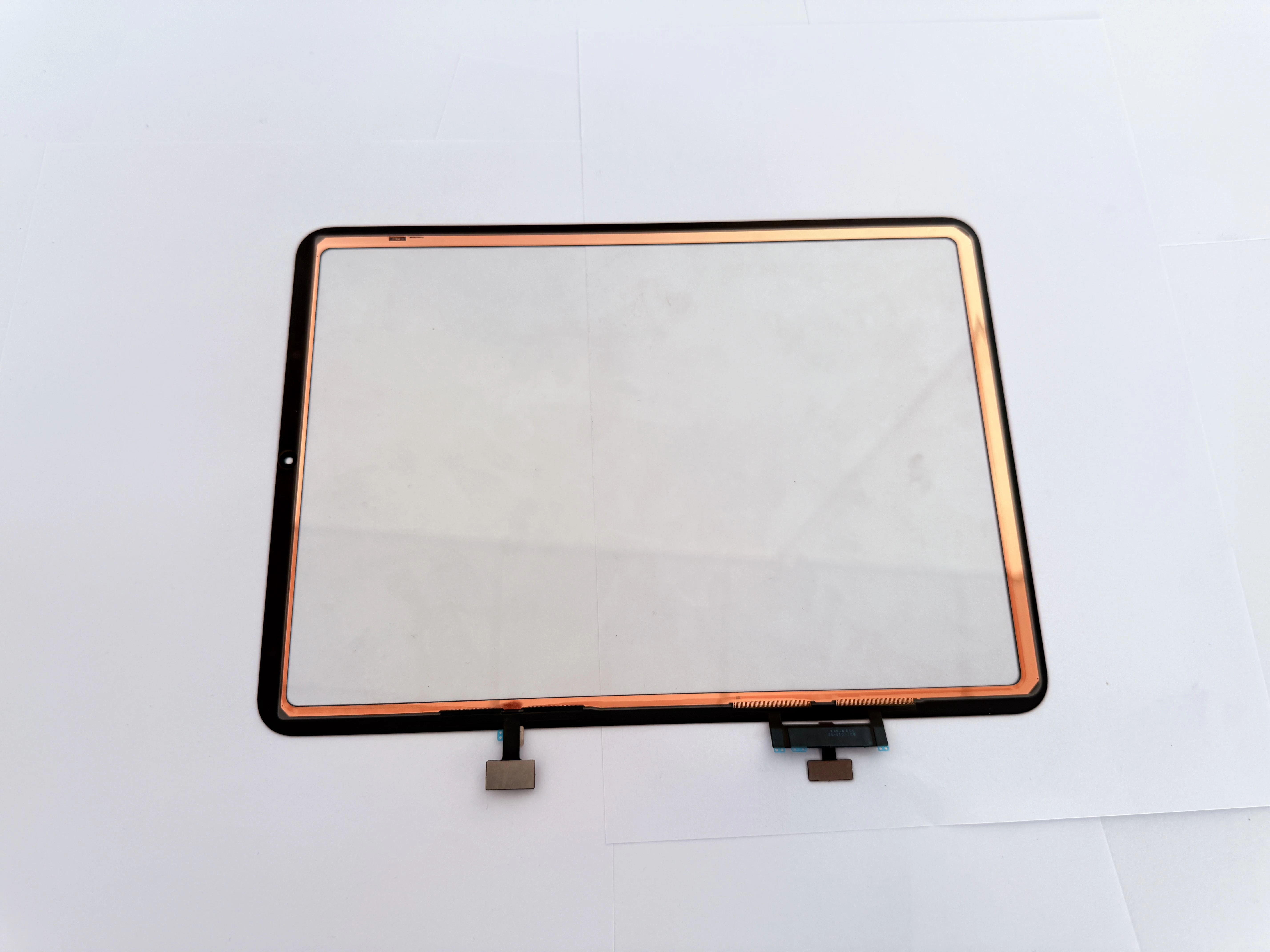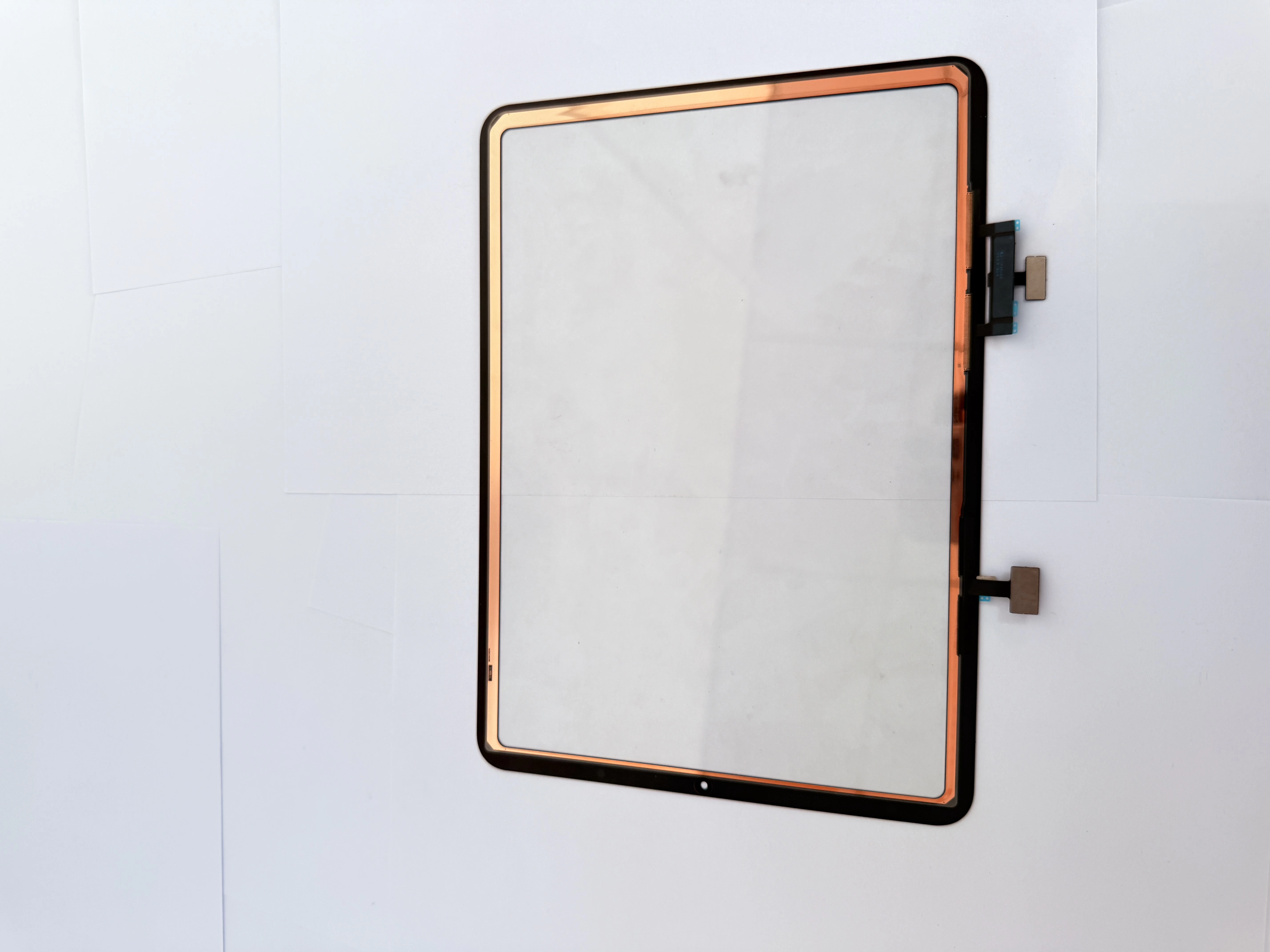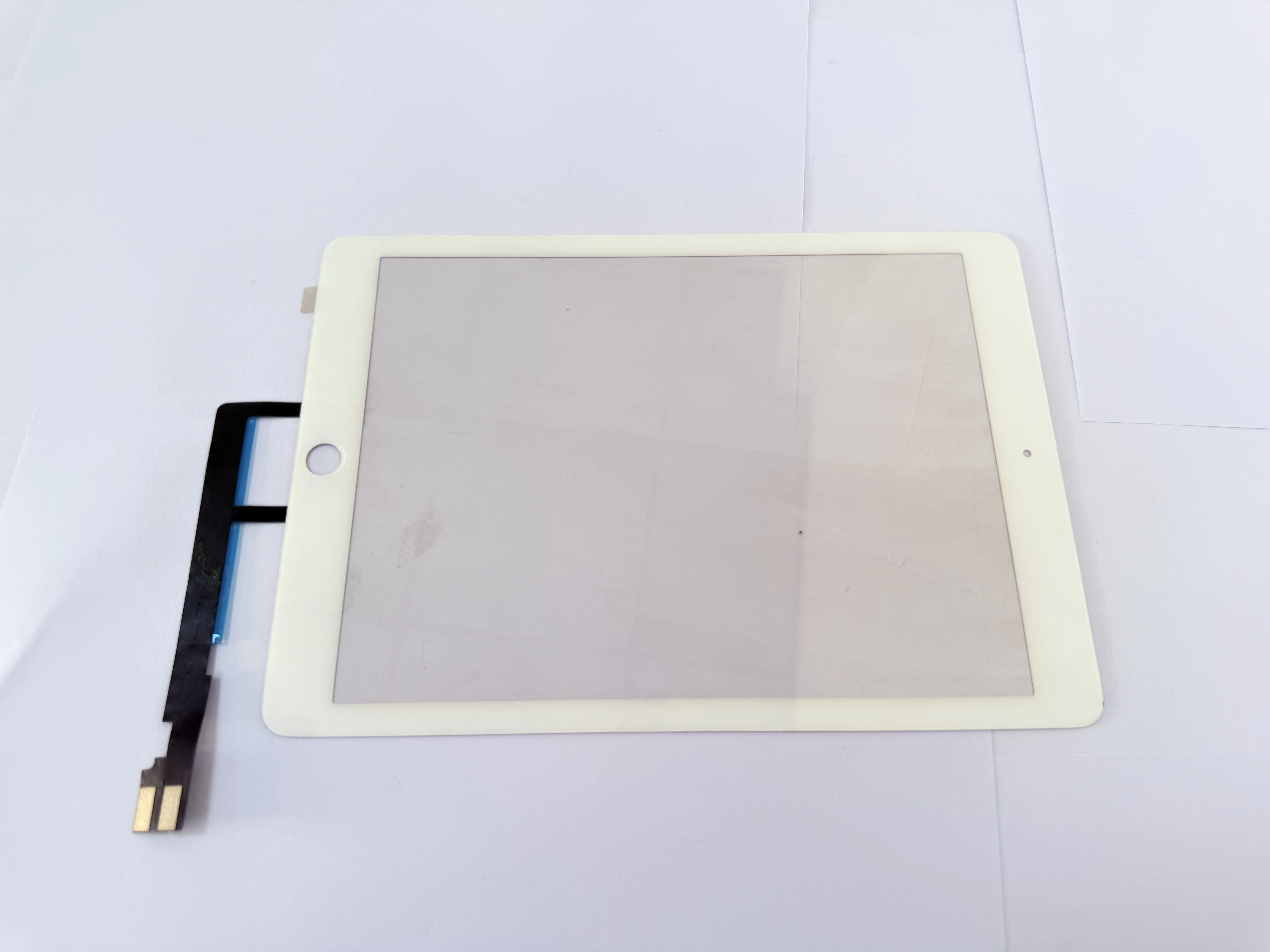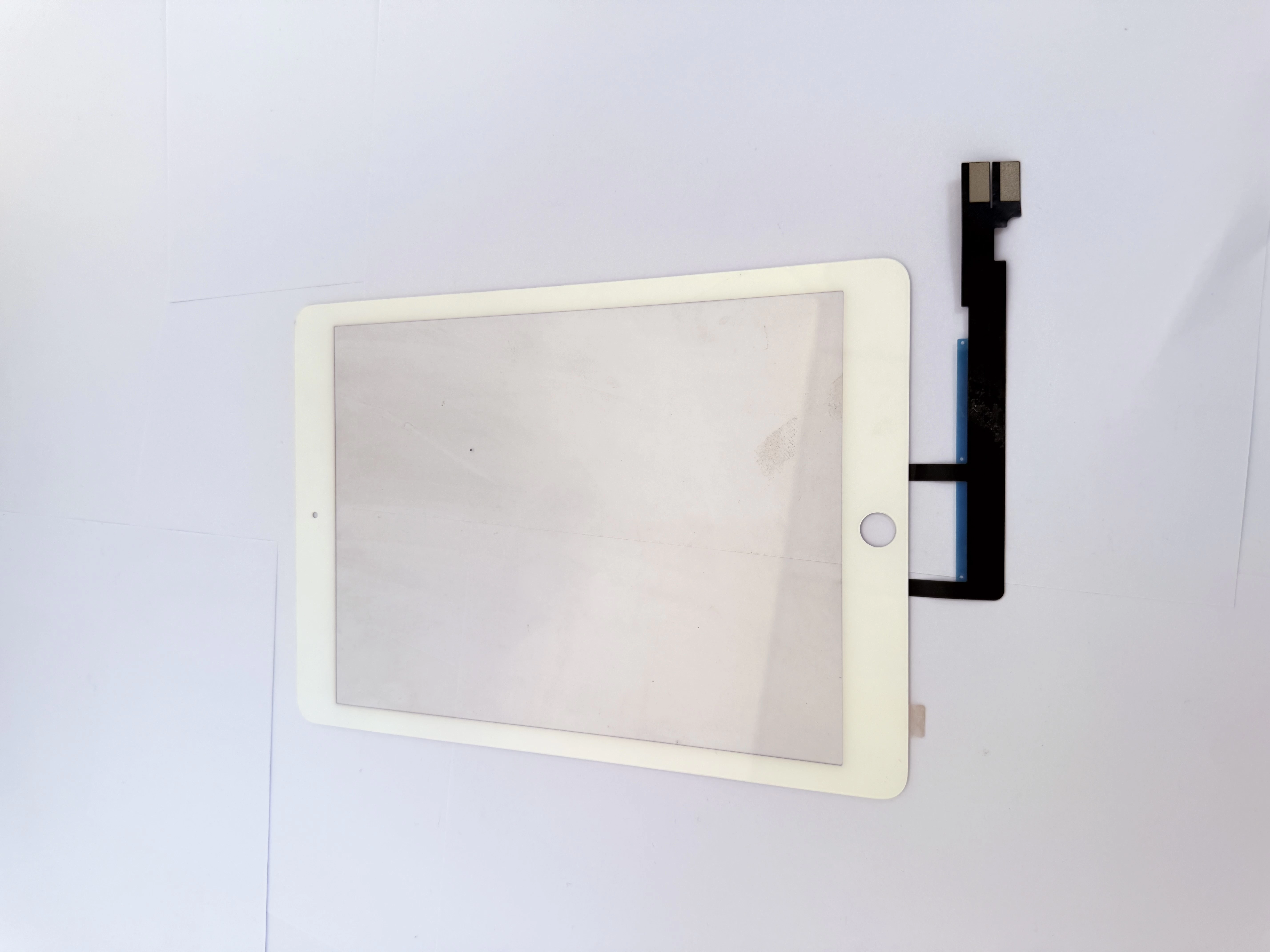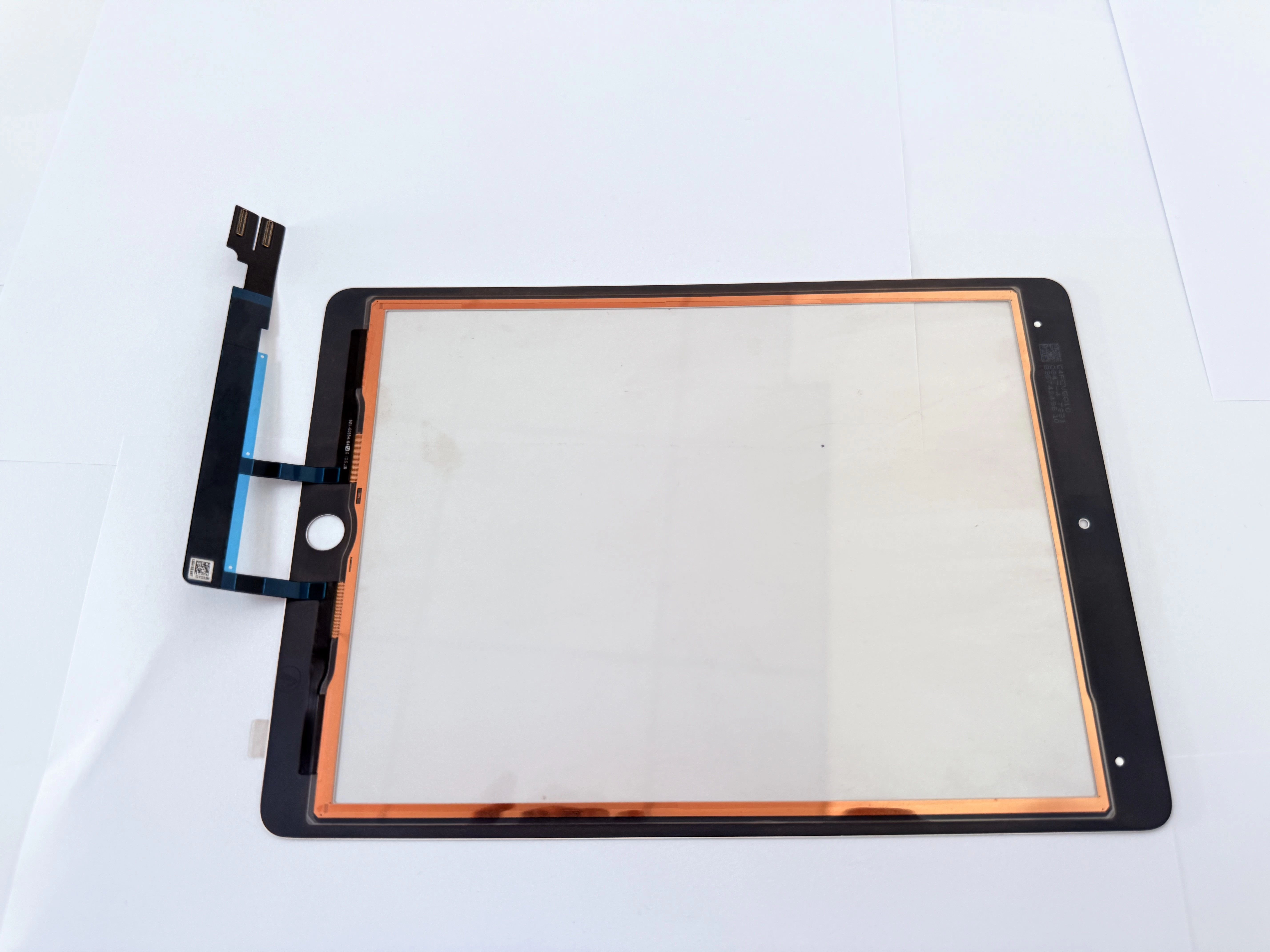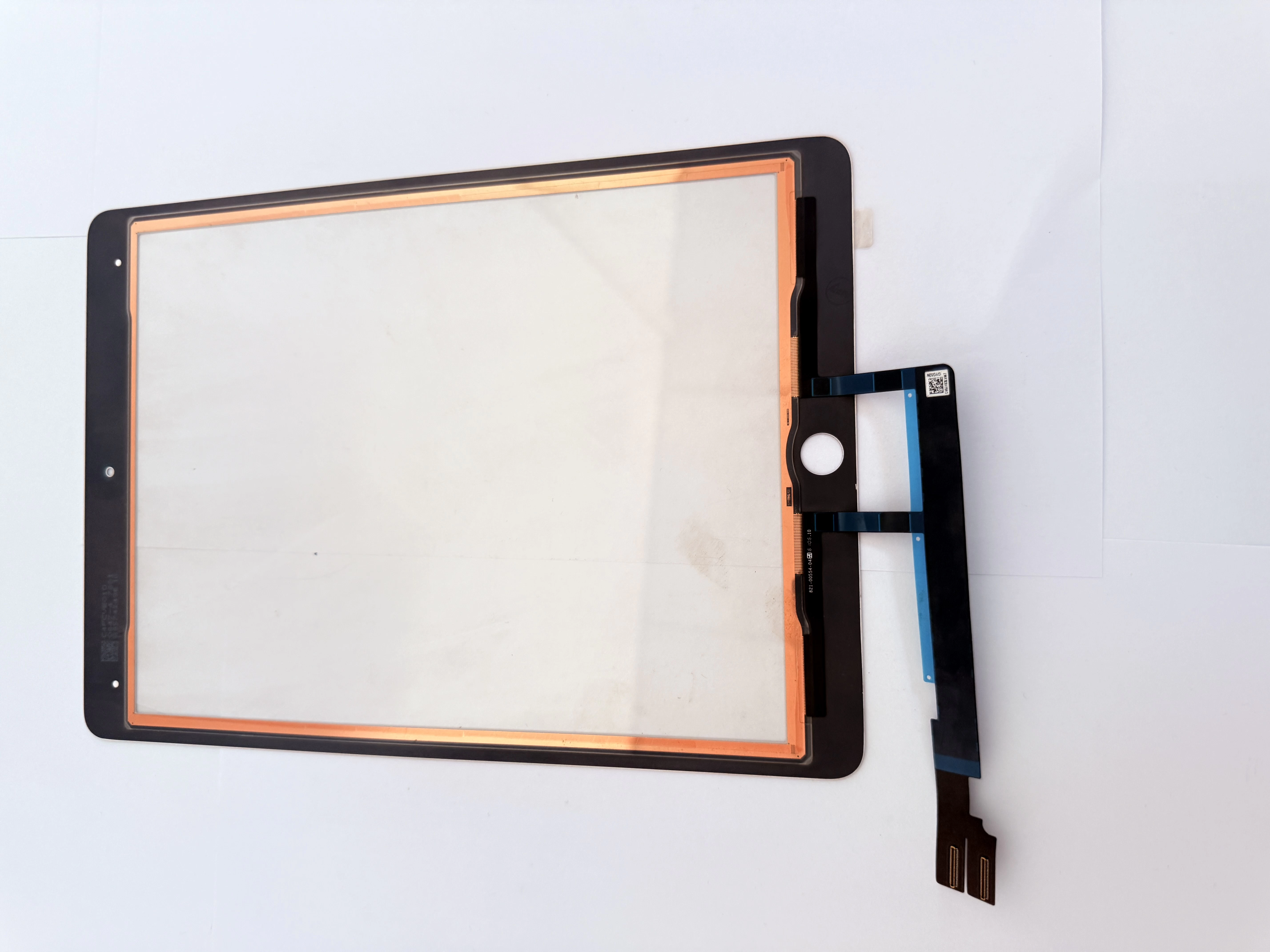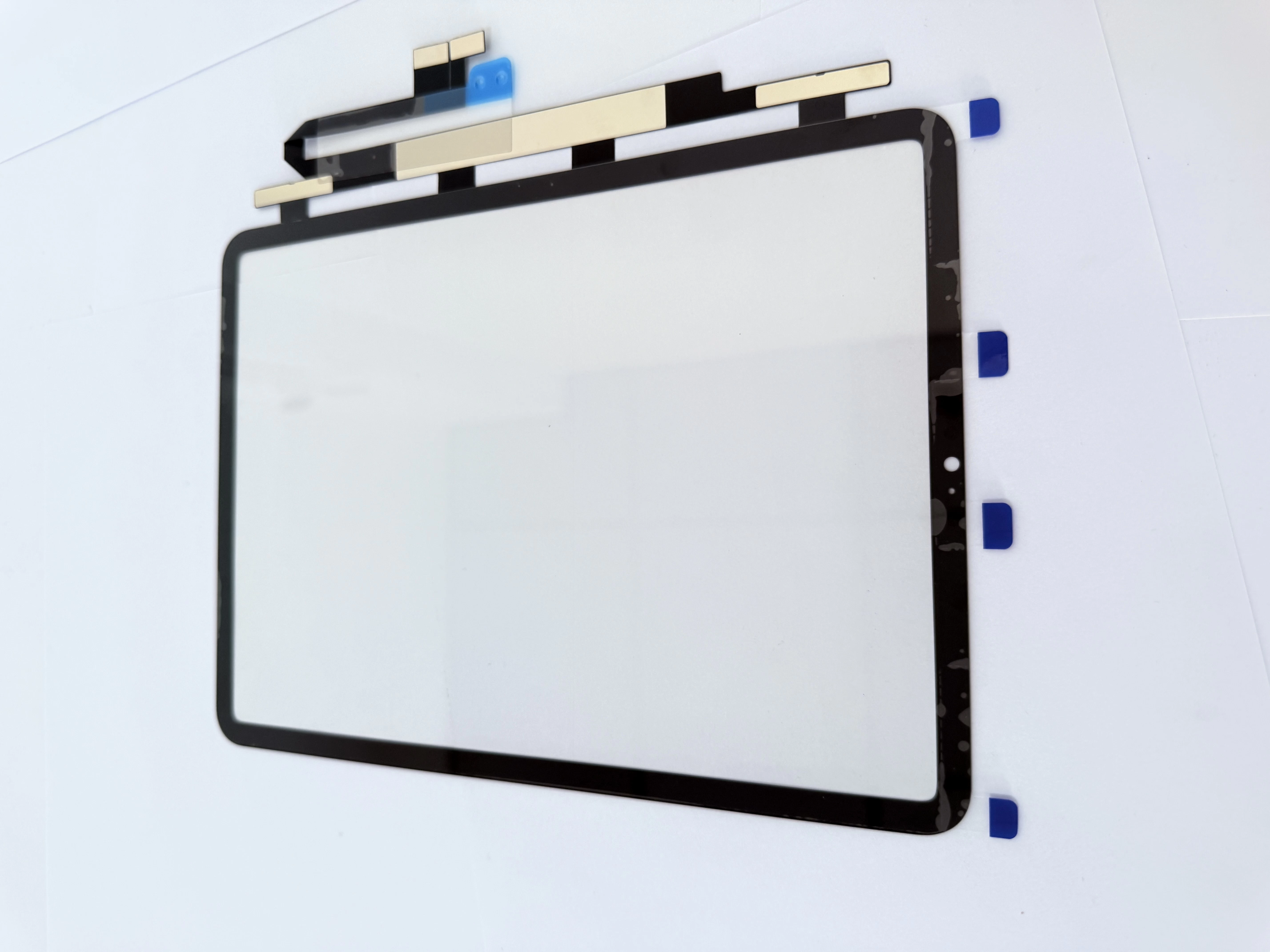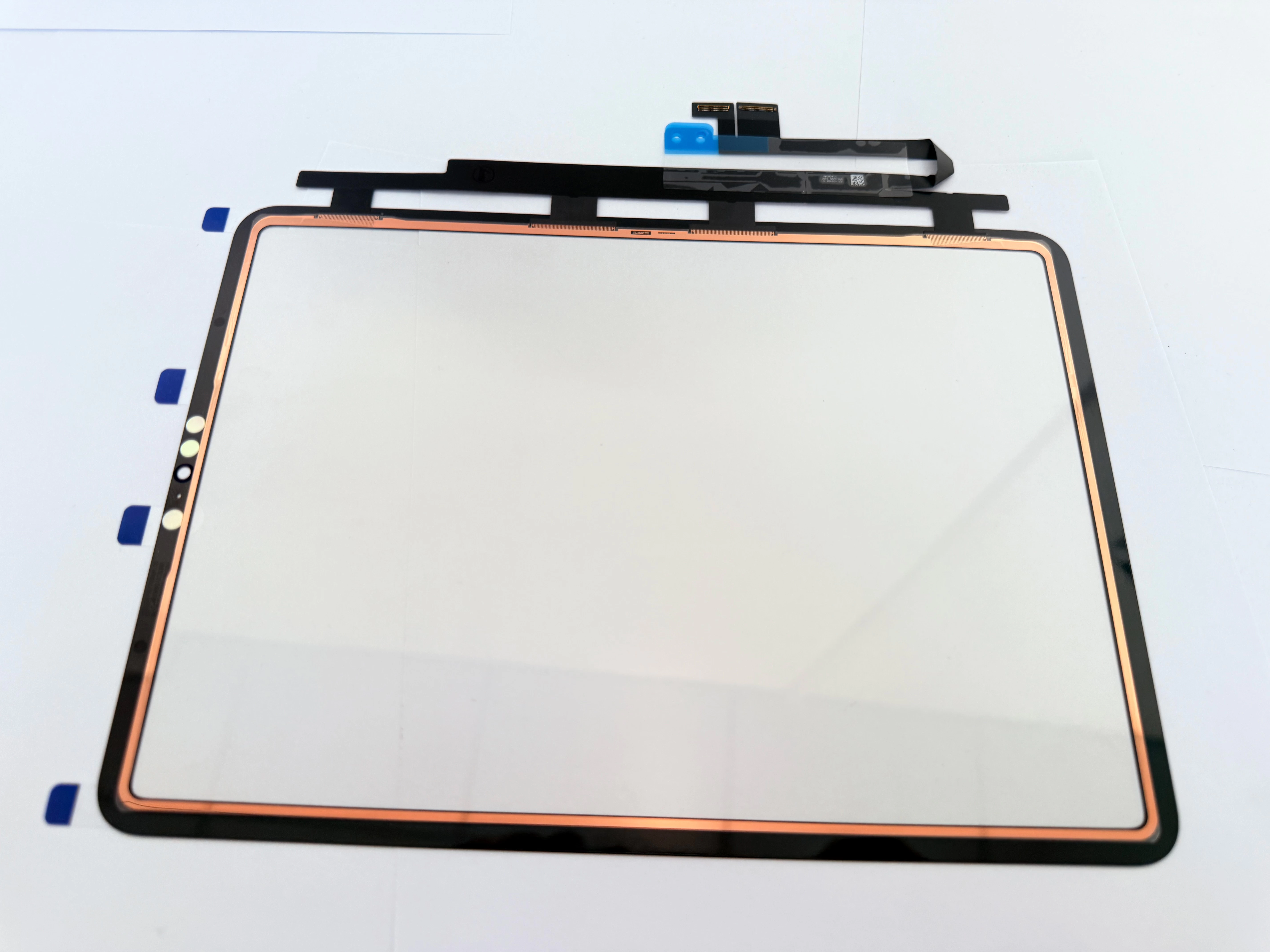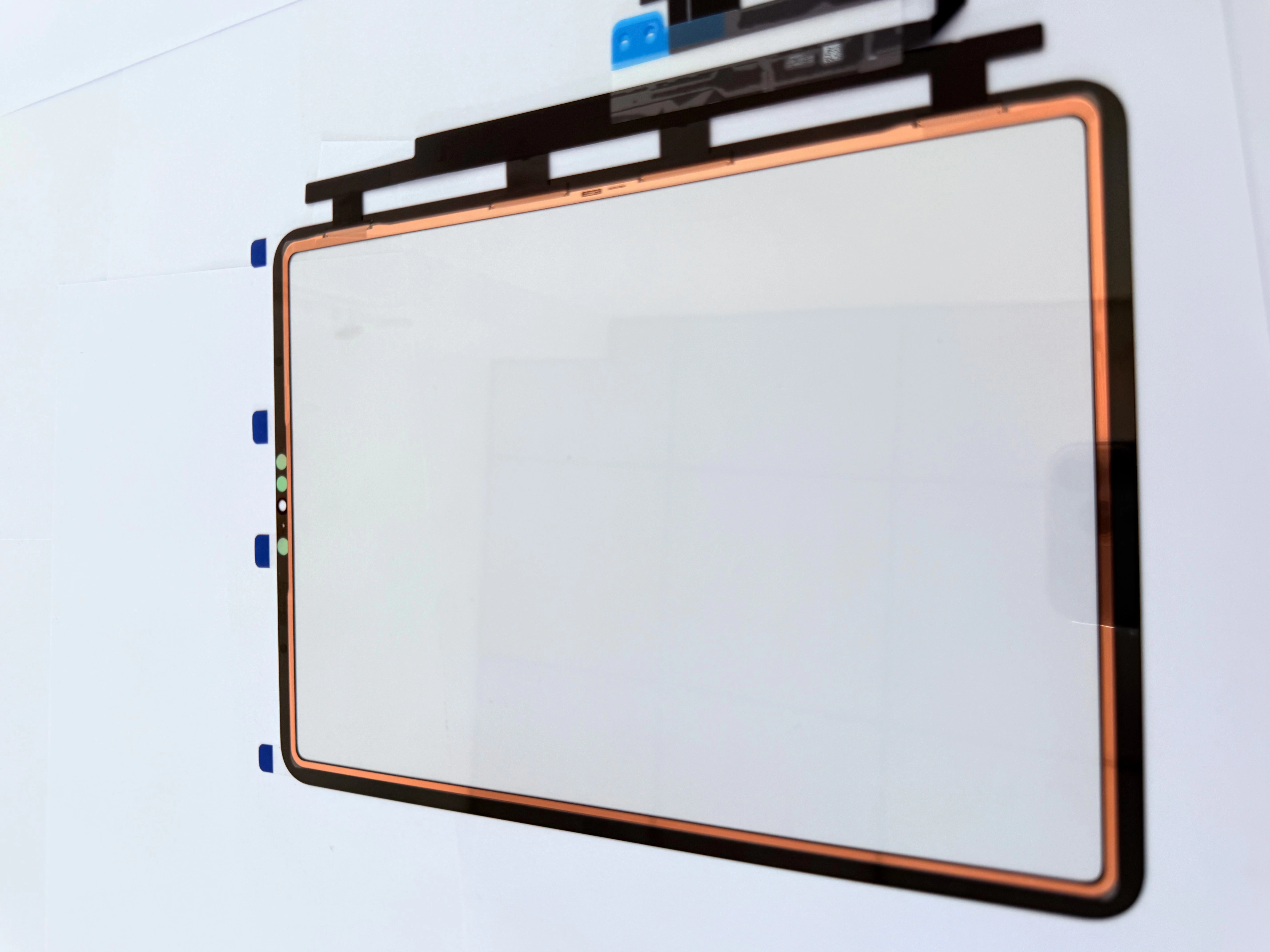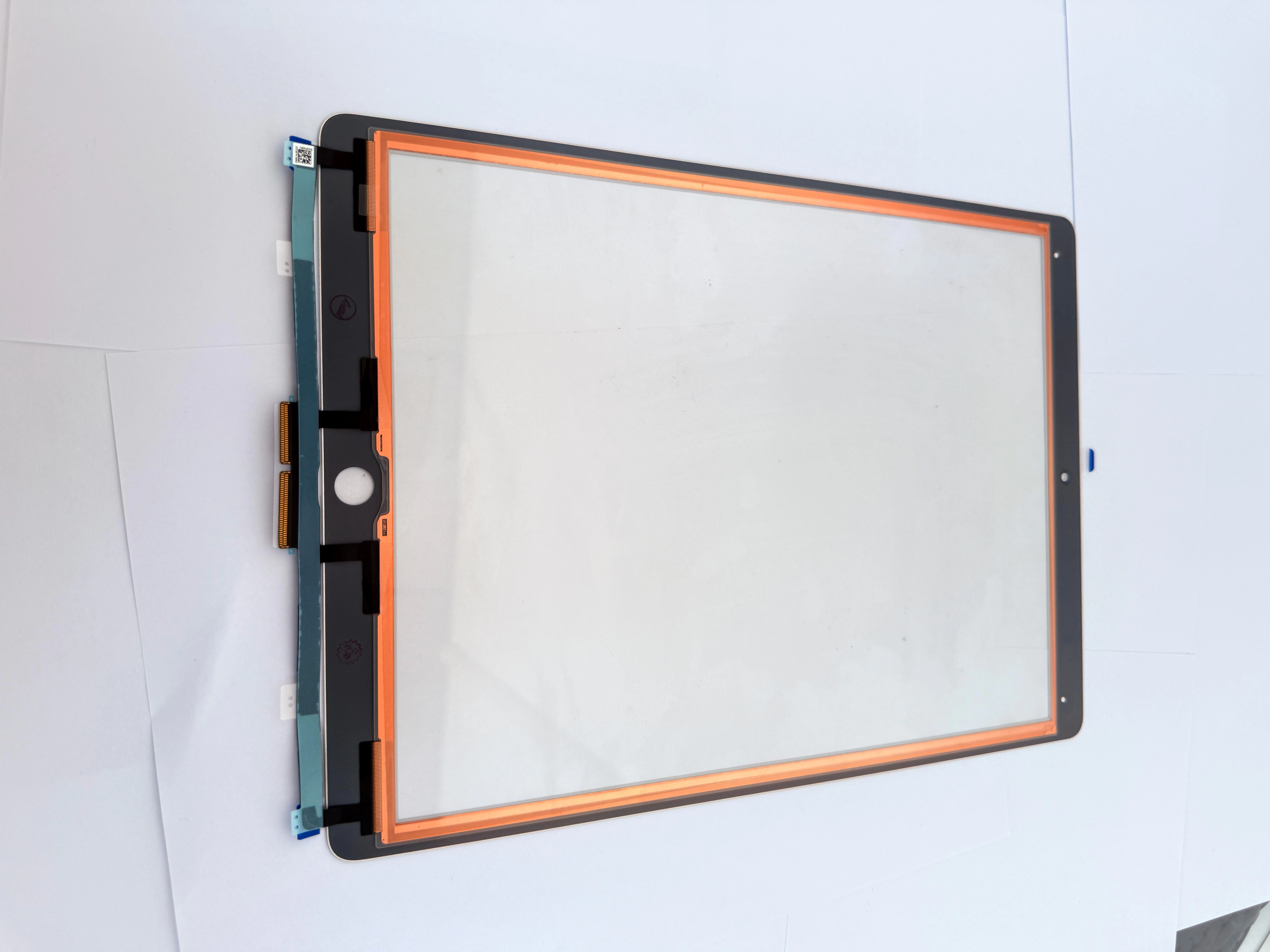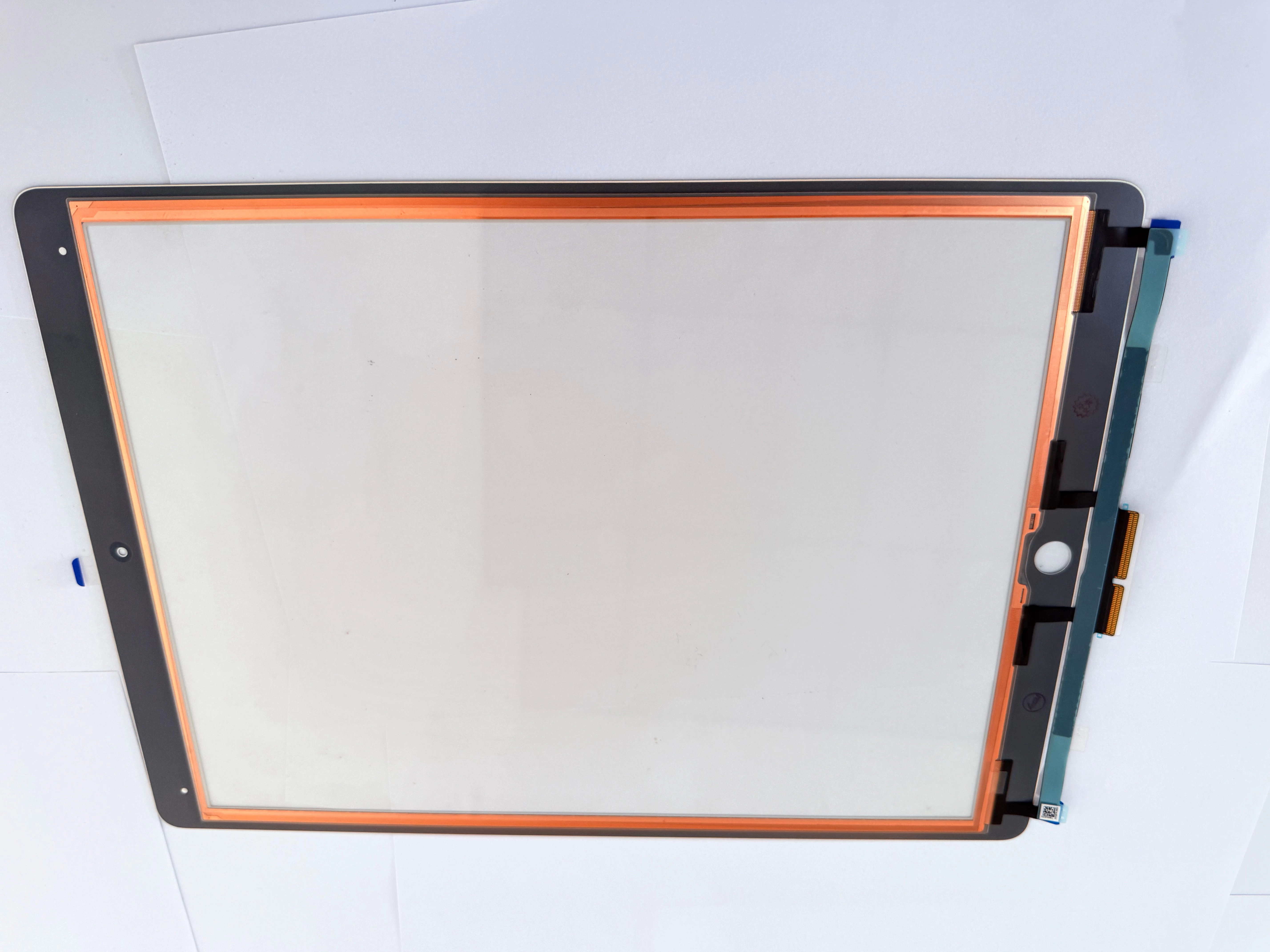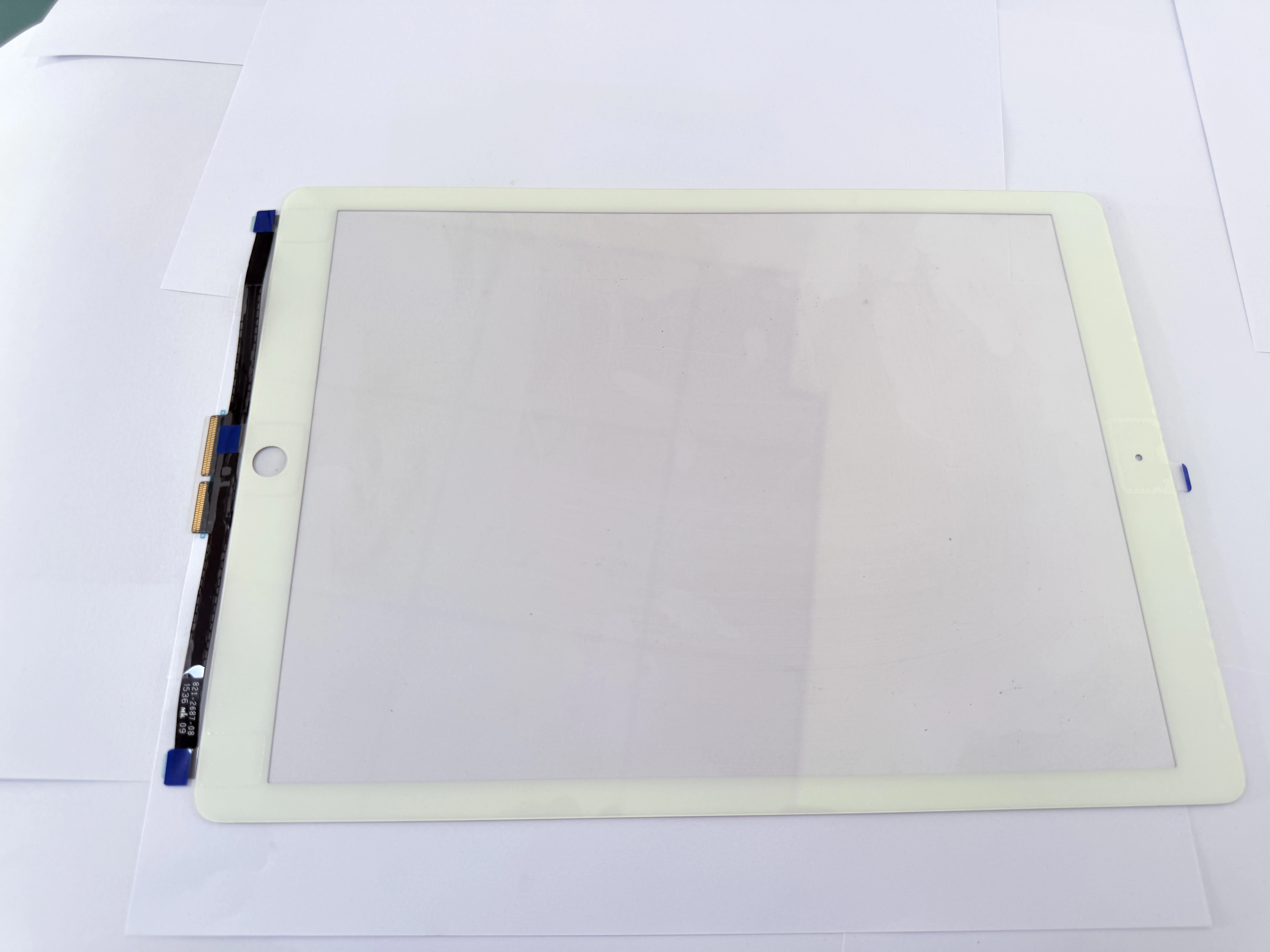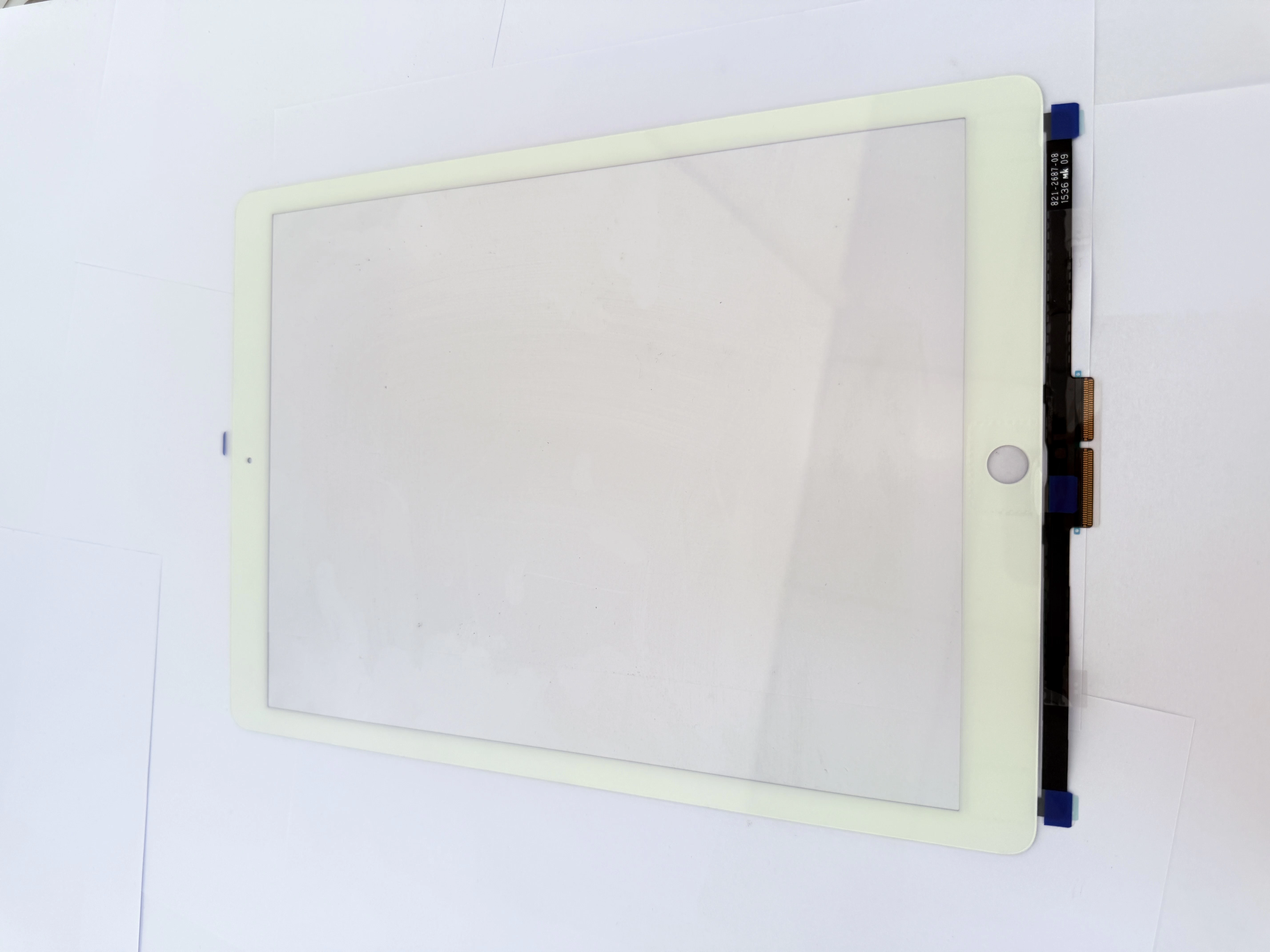

In daily procurement, most buyers think all touch screens look similar in appearance and basic display effects. However, commercial touch screens designed for offices and supermarkets cannot replace professional industrial touch displays. Once installed in high-dust, high-humidity, high-temperature or long-time continuous working scenarios, ordinary commercial screens will quickly aging, fail or even burn out.
First of all, stability of long-term continuous operation is the biggest gap. Commercial touch monitors are designed for intermittent office use, usually working 8–10 hours a day. Industrial touch displays are specially optimized for 24/7 non-stop operation. With improved circuit design, heat dissipation structure and industrial-grade components, they can run stably for several years without frequent shutdowns, fully adapting to automated production lines and monitoring rooms that require uninterrupted work.
Secondly, environmental adaptability is completely different. Ordinary commercial screens are only suitable for indoor constant temperature environments. Industrial touch displays support ultra-wide temperature operation, adapting to low-temperature cold storage workshops and high-temperature factory workshops. Meanwhile, industrial front panels adopt IP65 dustproof and waterproof design, effectively resisting dust, oil fog, water splashes and minor vibration, which are common in industrial sites.
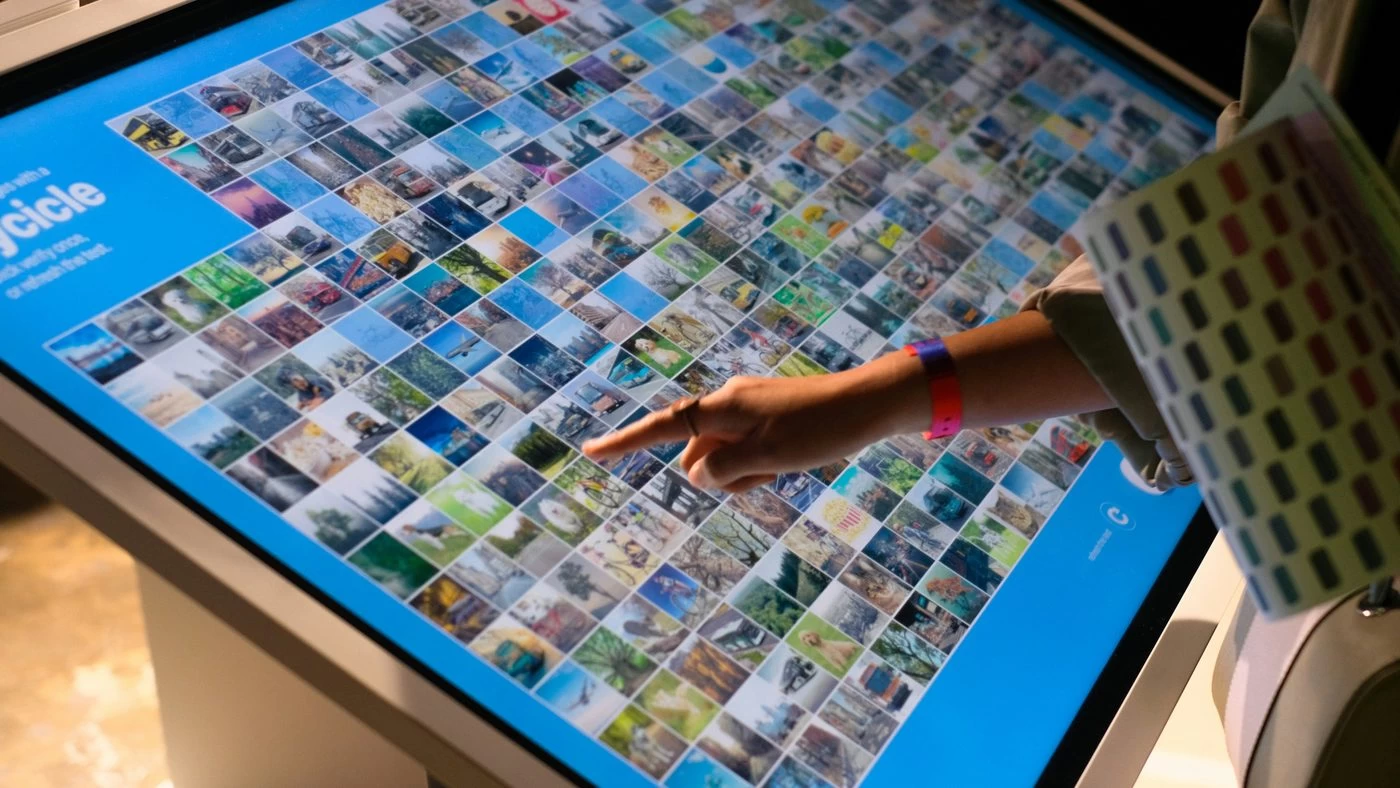
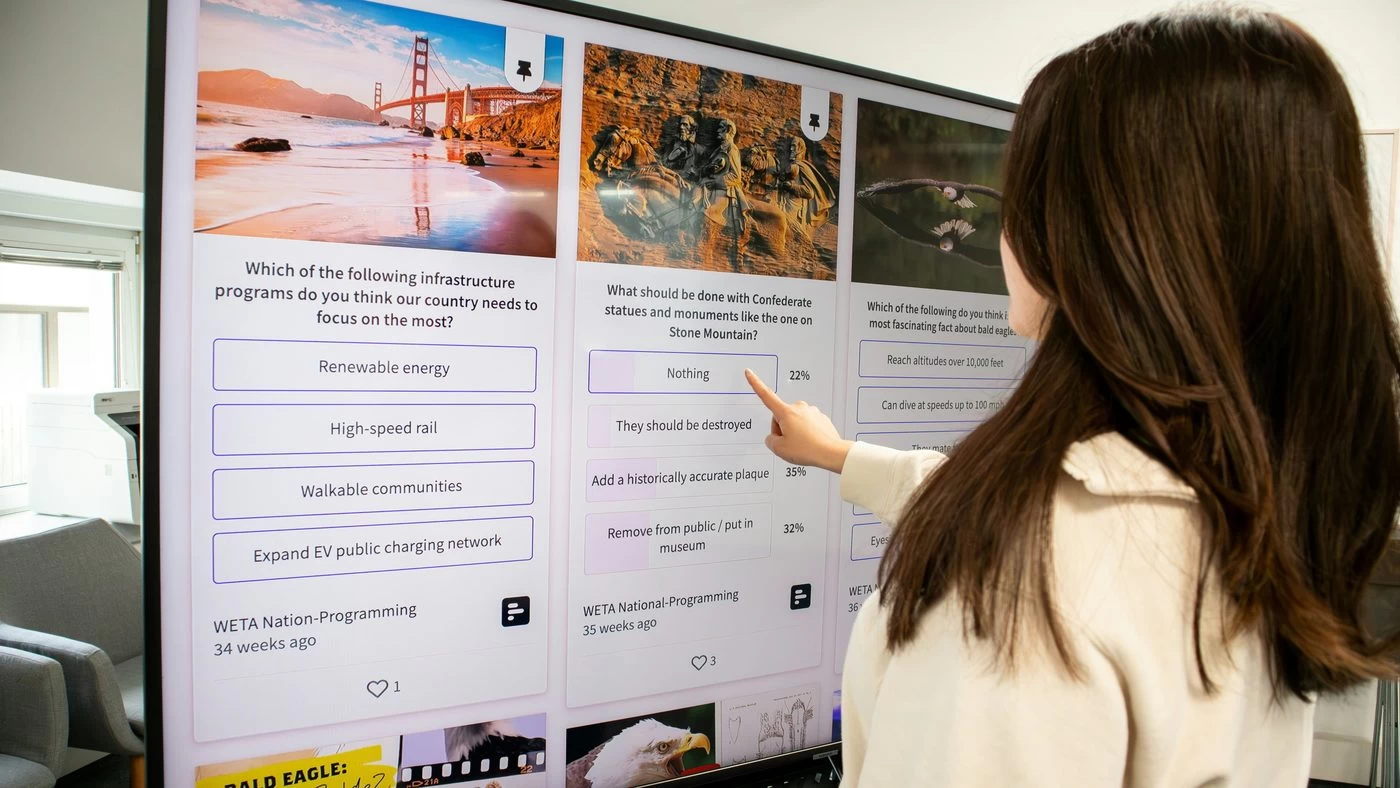
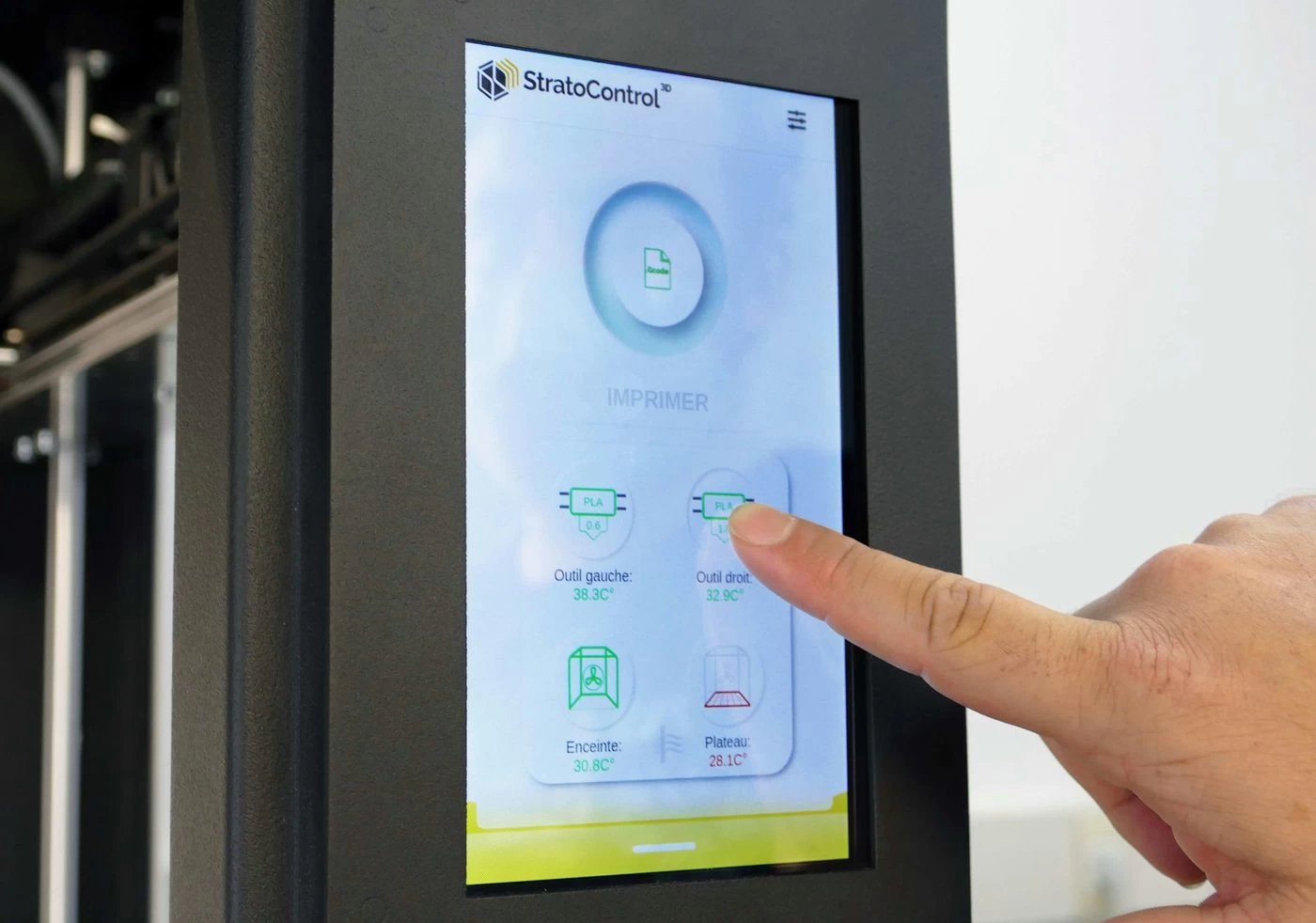
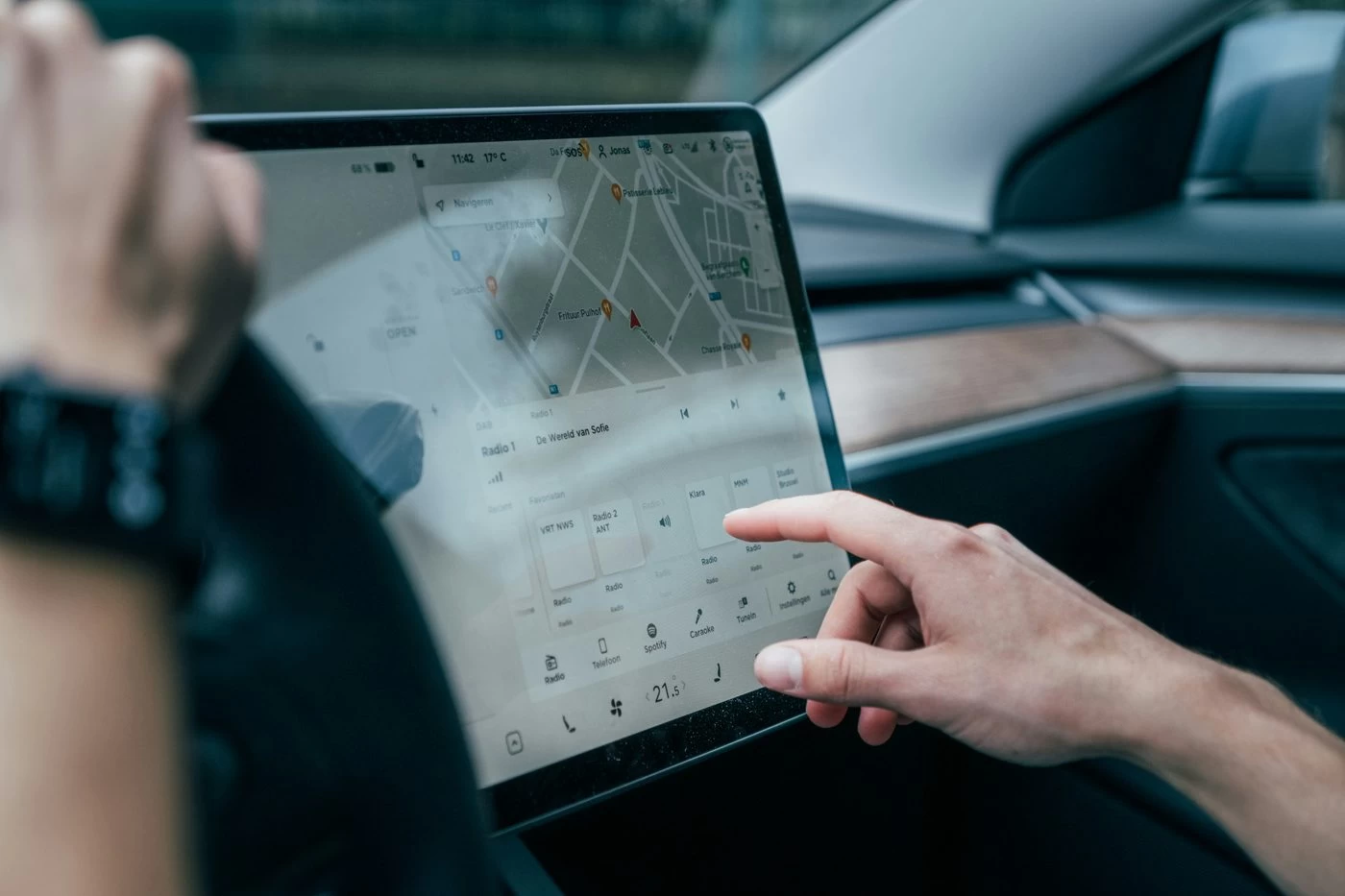
Thirdly, touch performance is more professional and practical. Commercial capacitive screens cannot work normally with gloves or in humid environments. Industrial solutions support both PCAP multi-touch and resistive touch options. The resistive touch version perfectly supports glove operation, stylus touch and wet-hand touch, which is essential for factory workers who cannot take off gloves frequently.
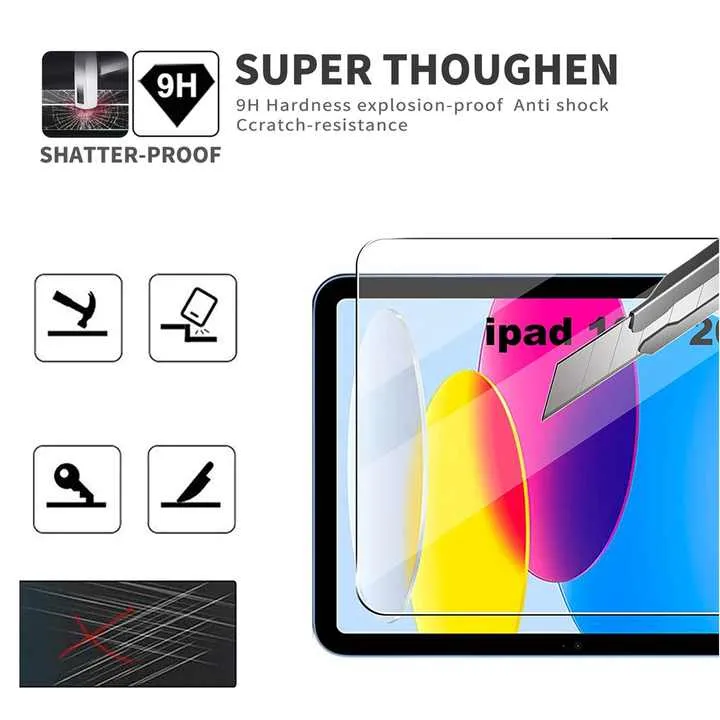
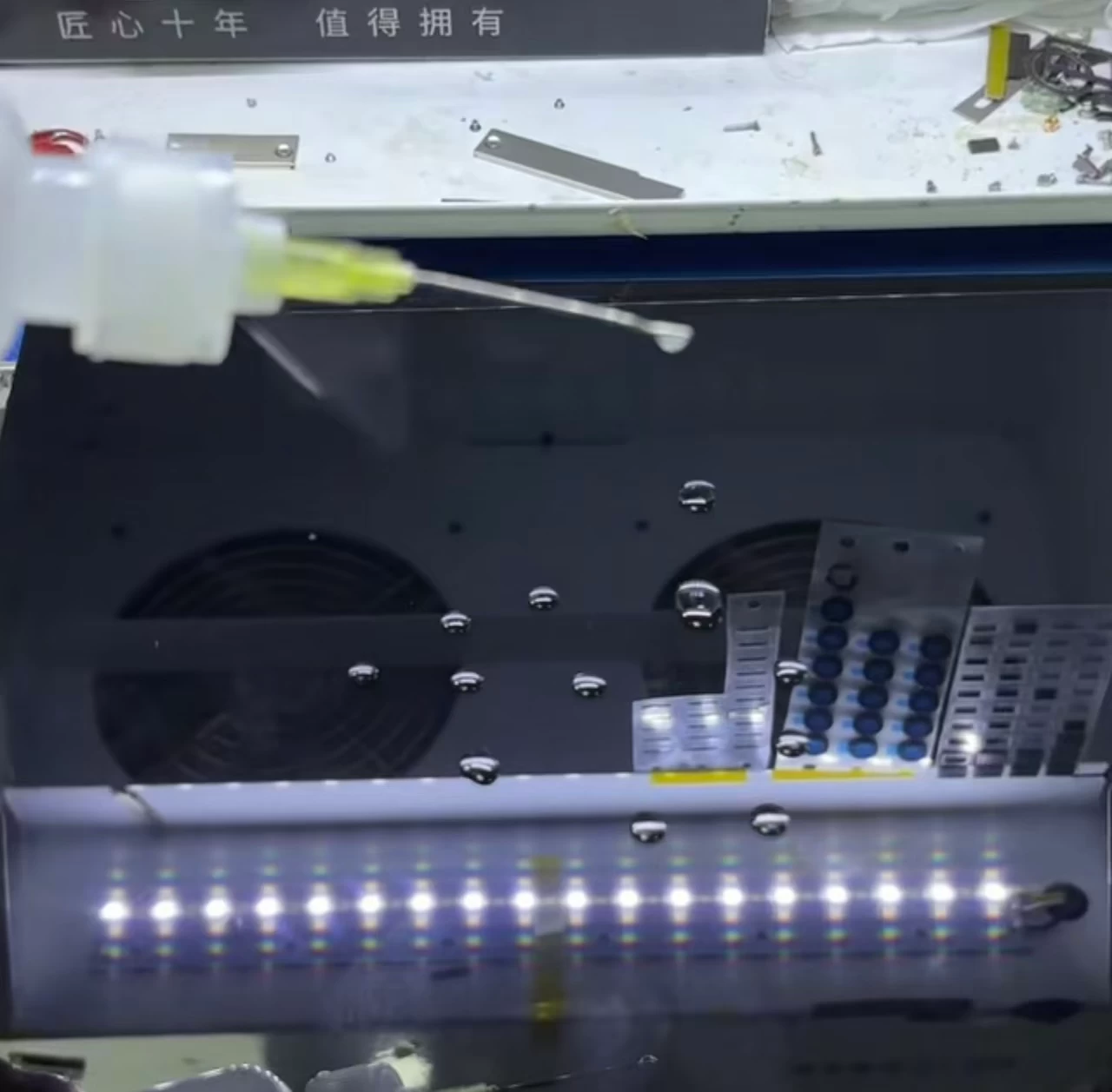
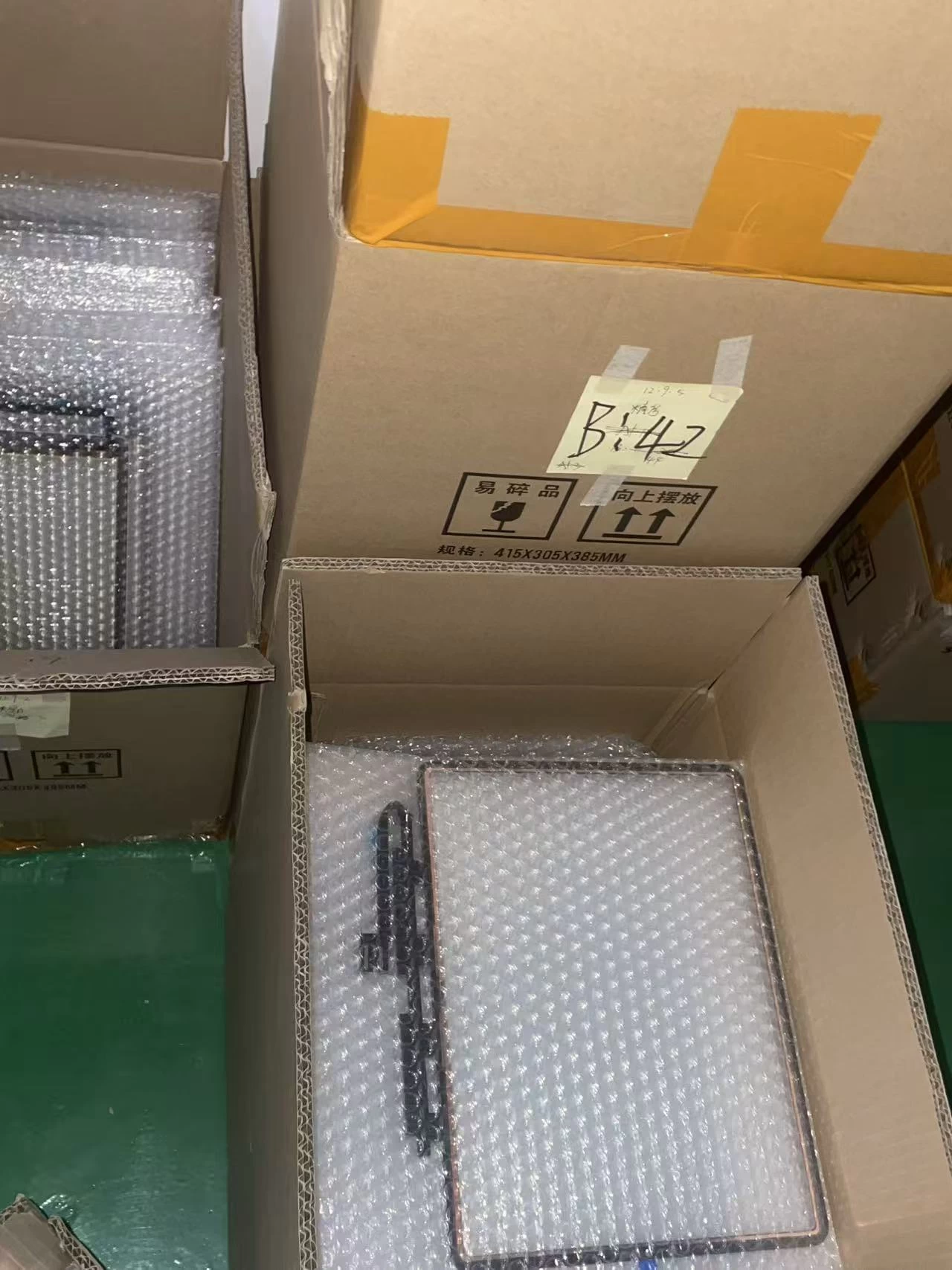
In terms of display durability, industrial touch displays adopt anti-glare, anti-fouling and scratch-resistant tempered glass. Compared with ordinary commercial screens that are easy to scratch and reflect light, industrial screens maintain clear visibility even under strong light and frequent operation. The optical bonding technology eliminates internal fogging and water vapor, greatly improving product stability and service life.
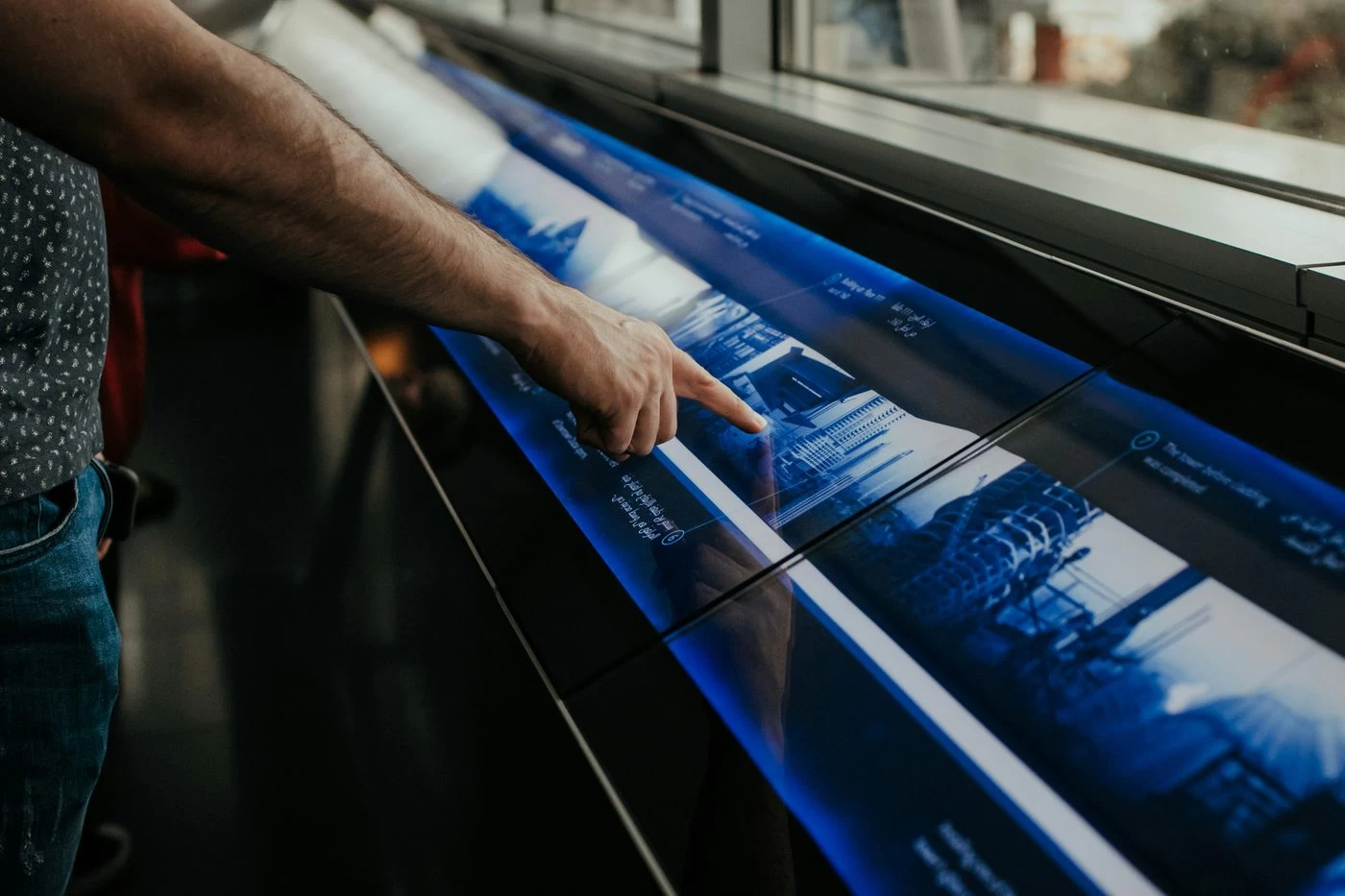
In addition, installation and compatibility are more flexible. Commercial monitors only support simple wall mounting or desktop placement. Industrial touch displays support open frame, panel mount, embedded and customized installation methods, which can be perfectly embedded into automation equipment, industrial cabinets, self-service kiosks and special equipment. They are compatible with Windows, Linux and Android systems, meeting diverse industrial control and embedded device needs.
Conclusion: For office, shopping mall and indoor light-use scenarios, commercial touch screens are enough and cost-effective. But for industrial automation, workshop control, outdoor self-service equipment, and 24-hour monitoring projects, only industrial-grade touch displays can ensure long-term stable operation, reduce failure rate and save after-sales costs.