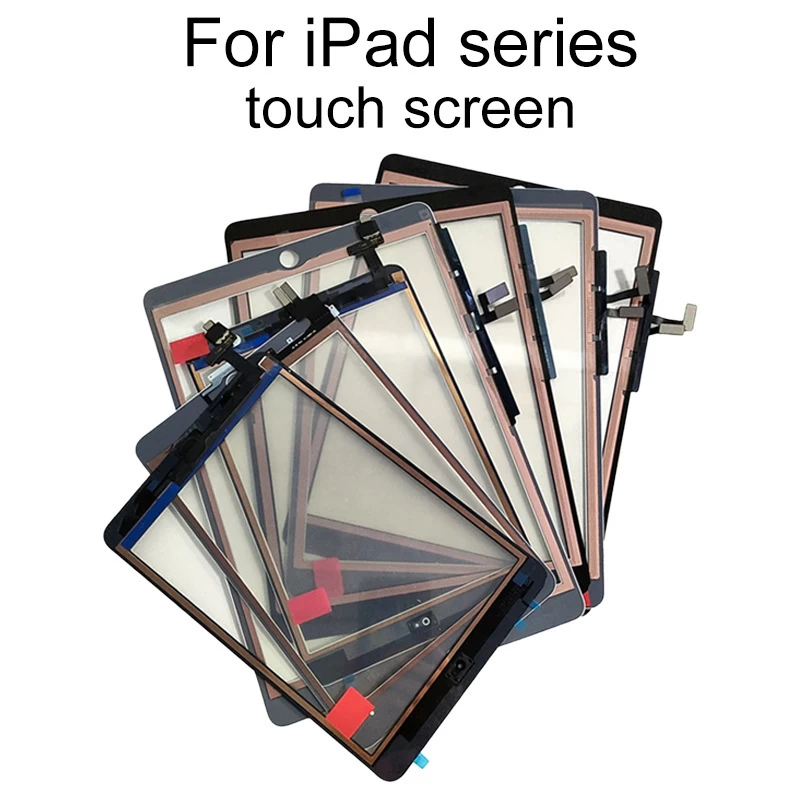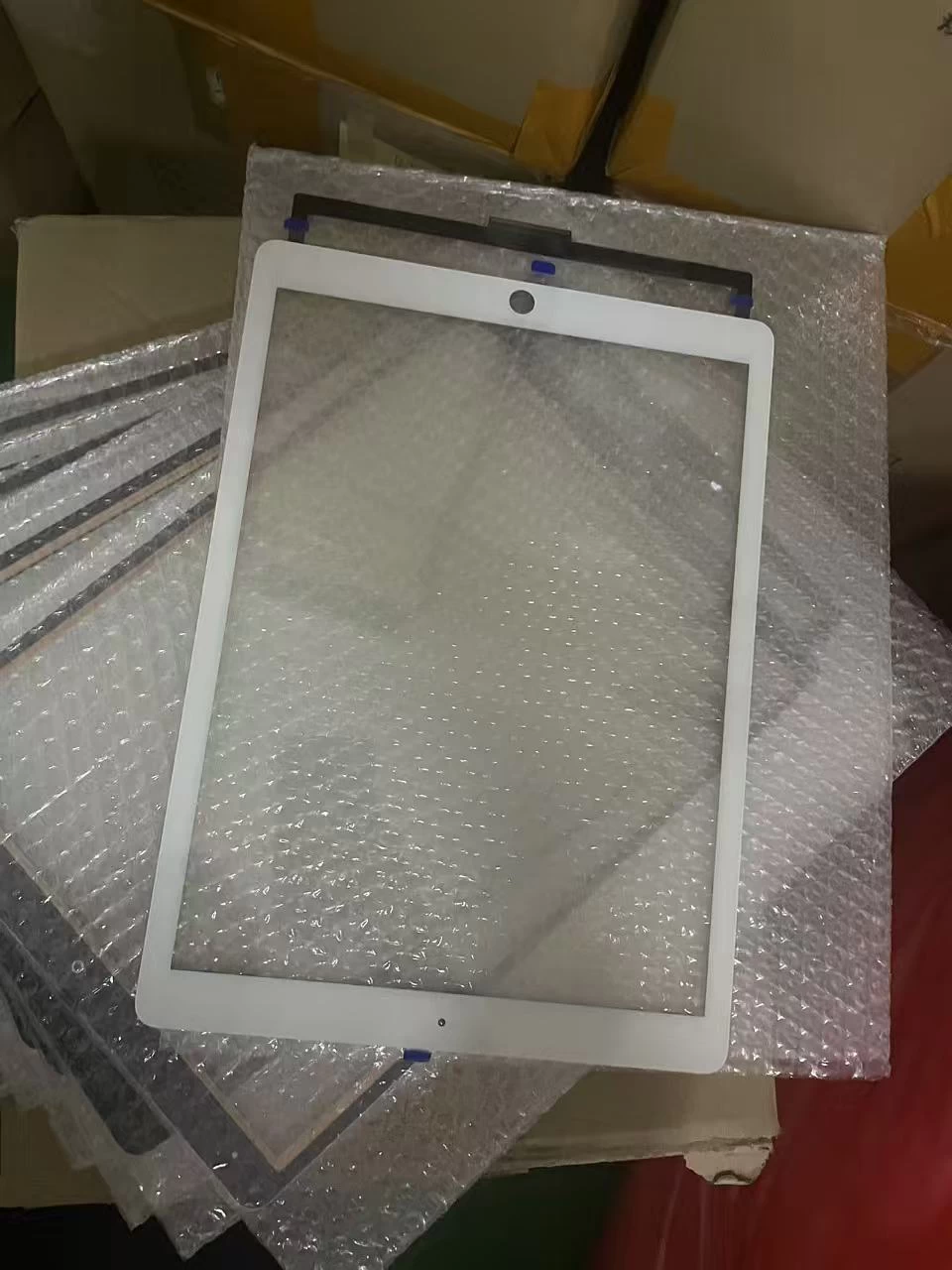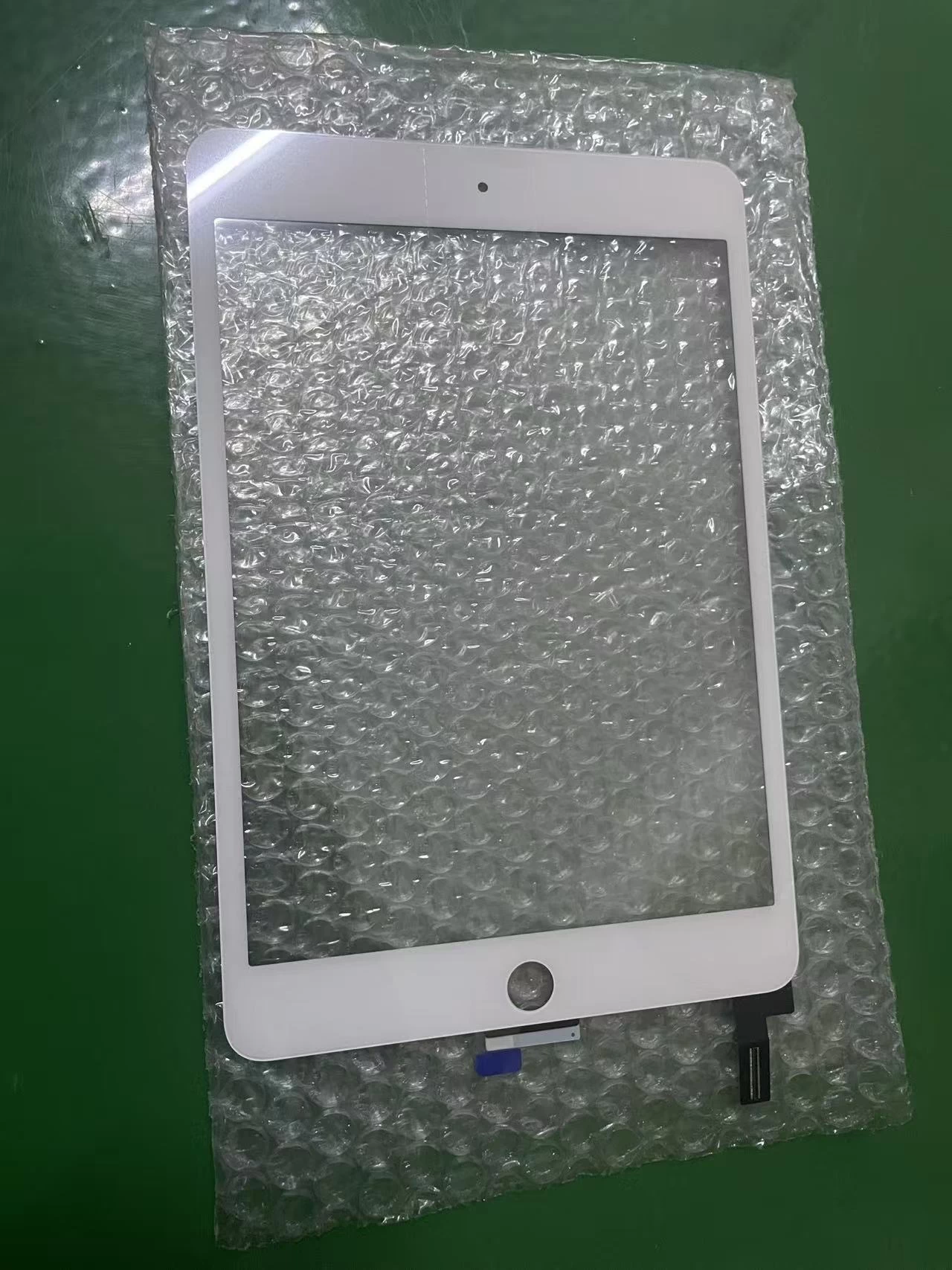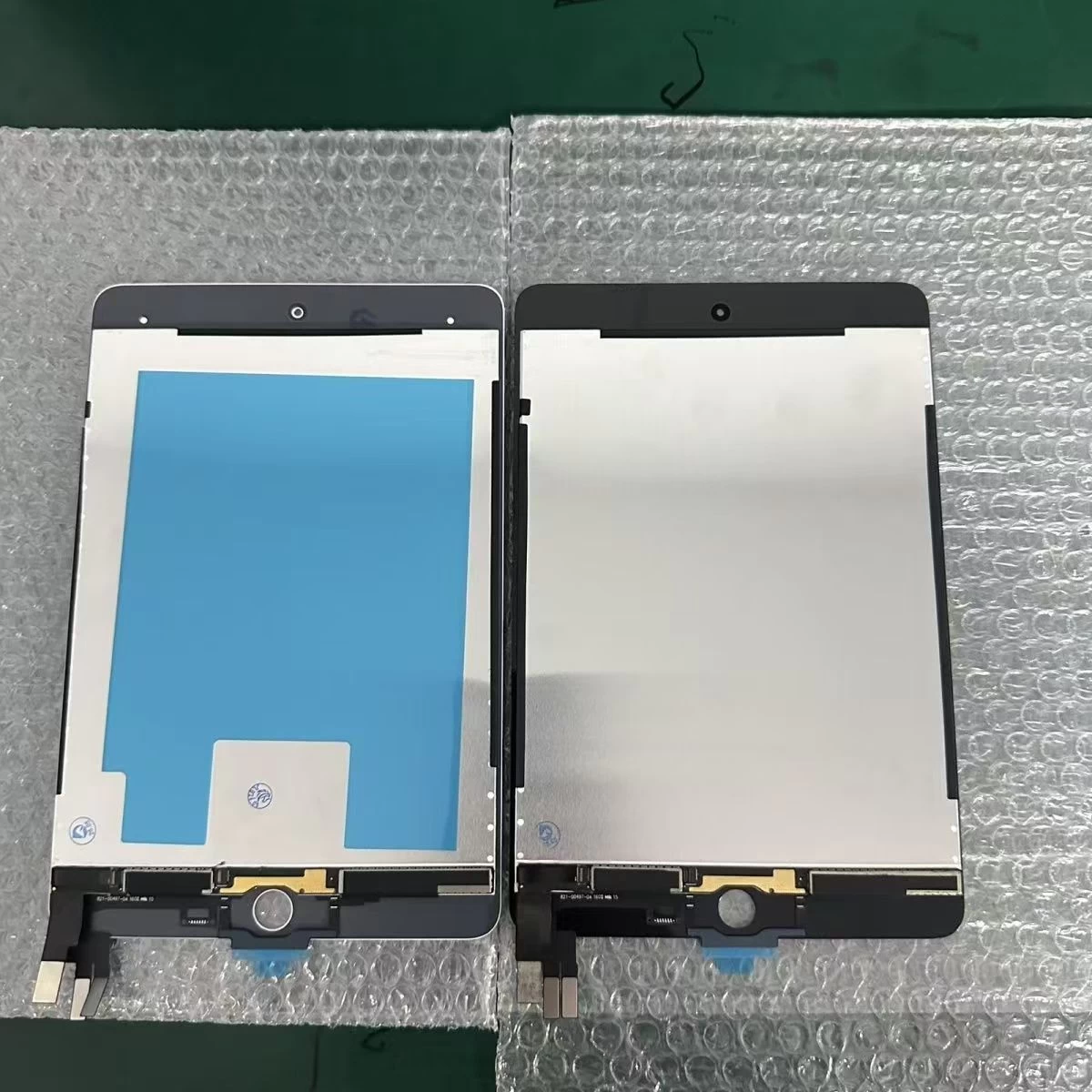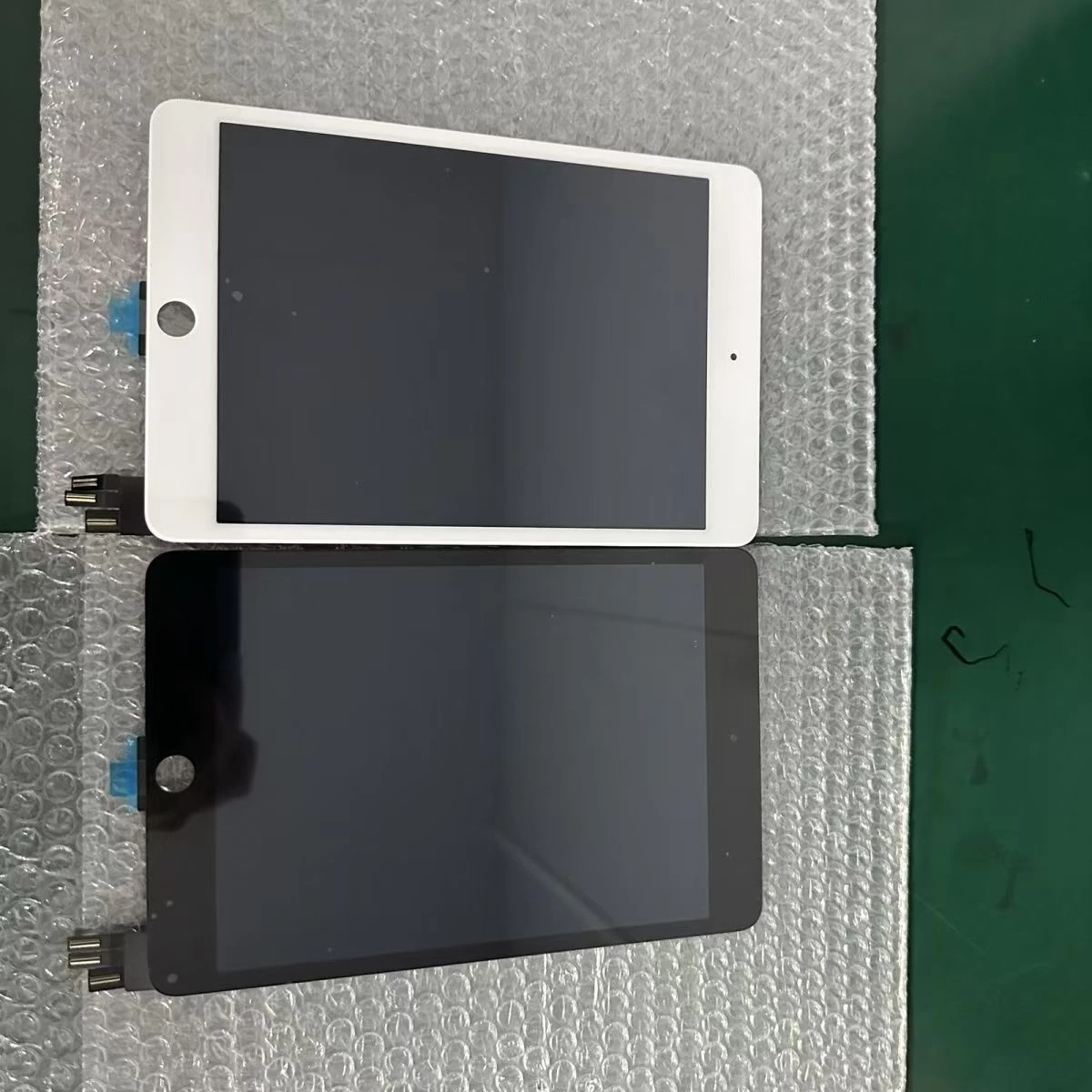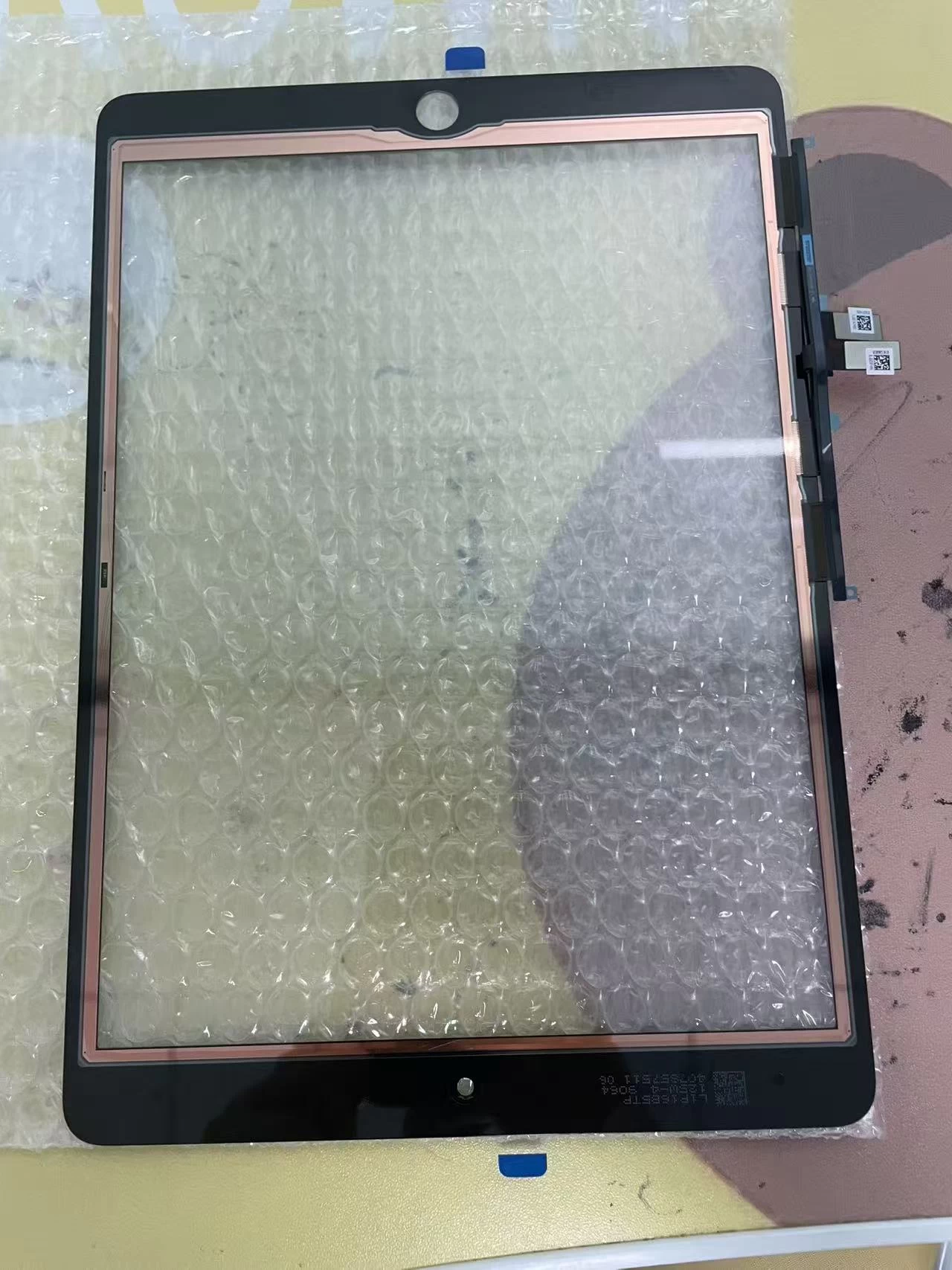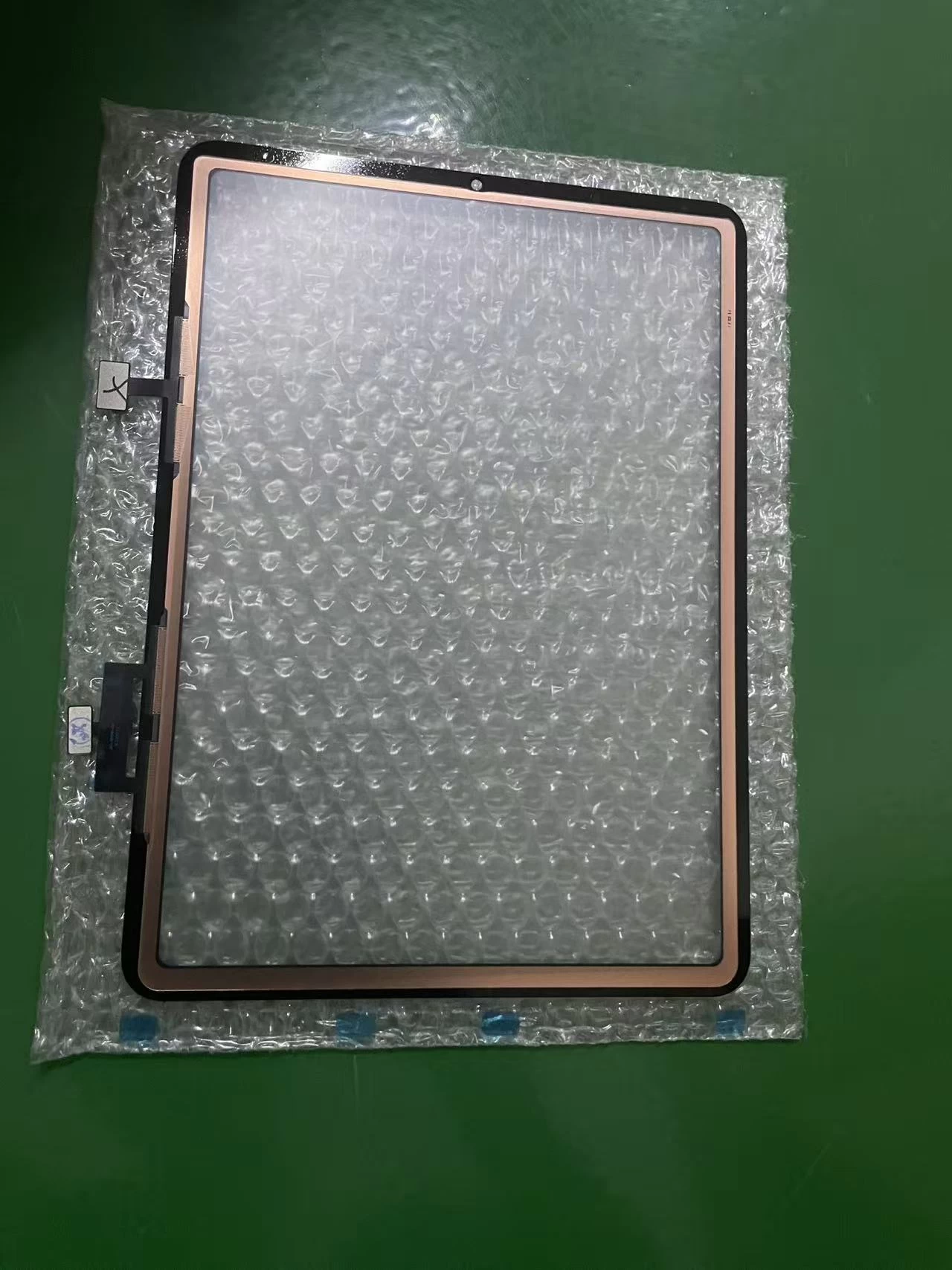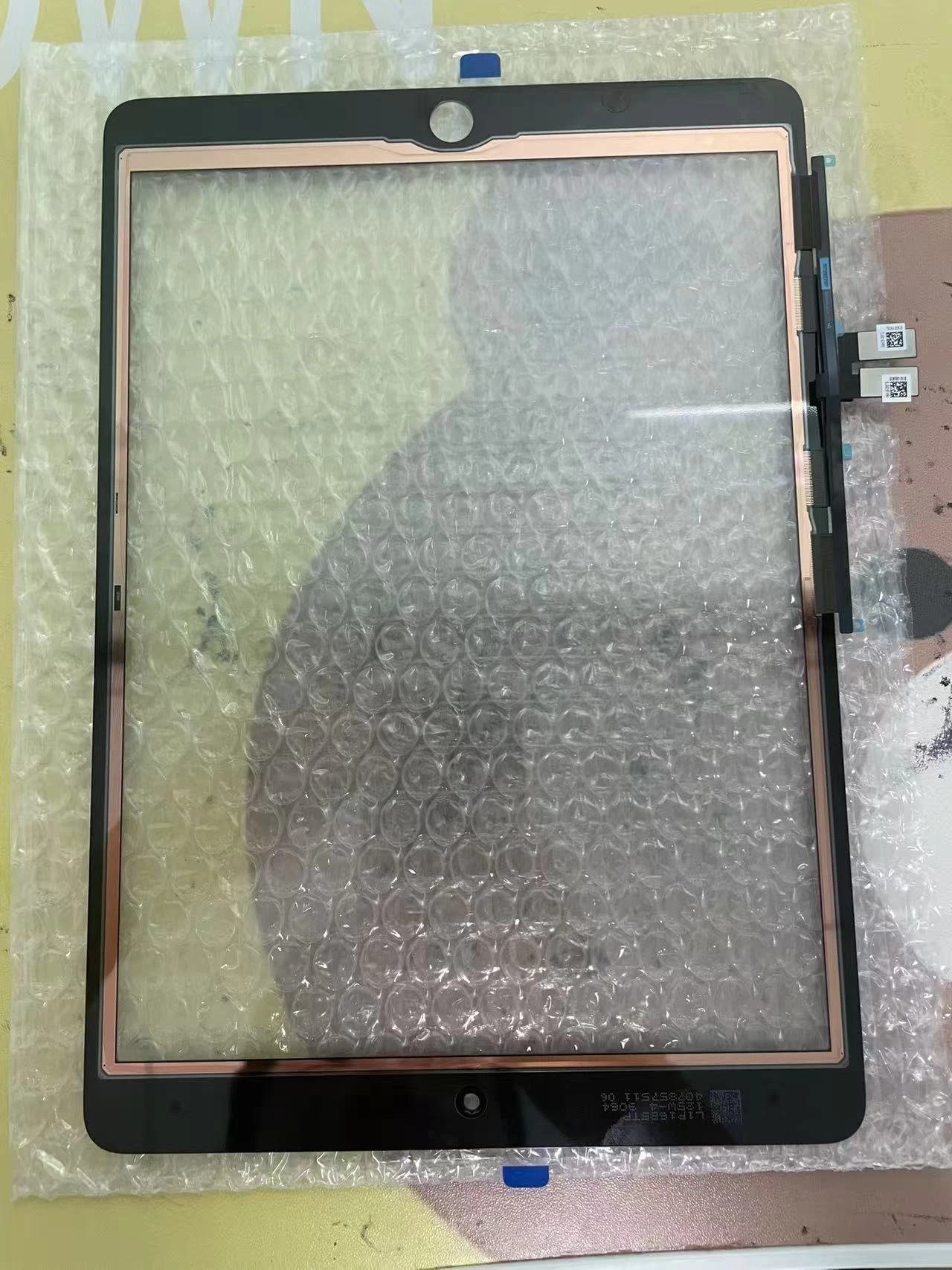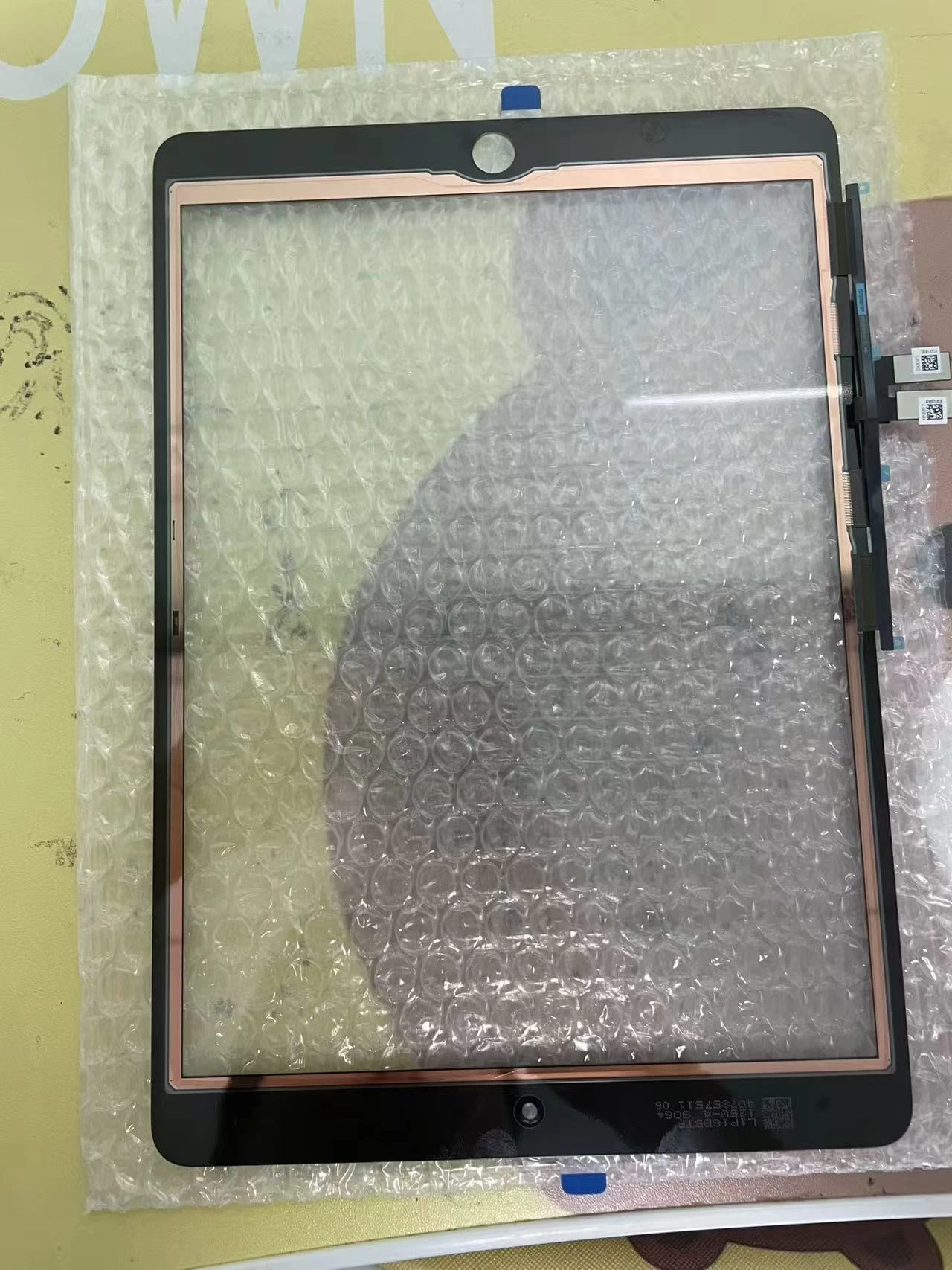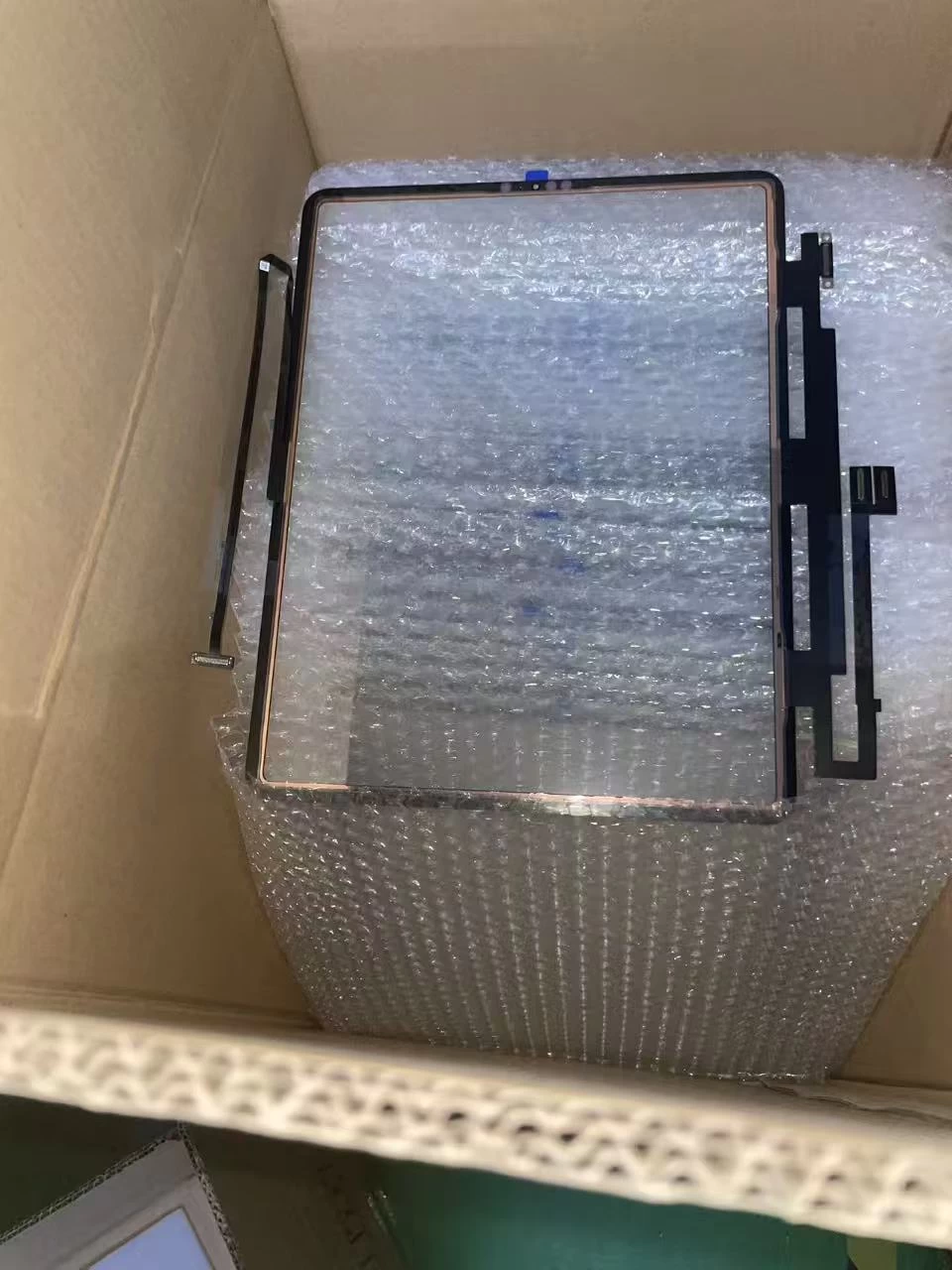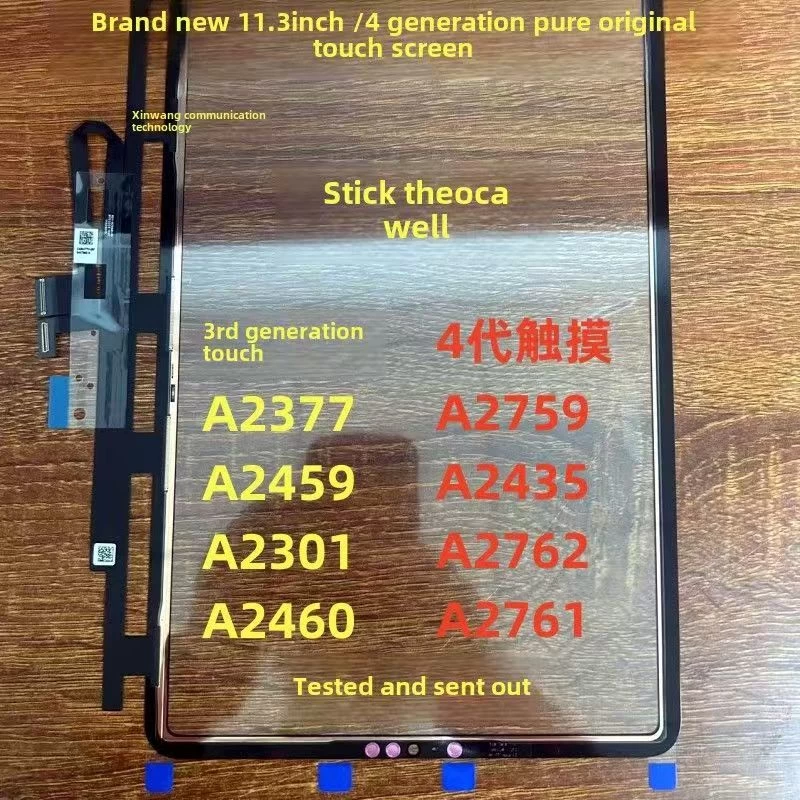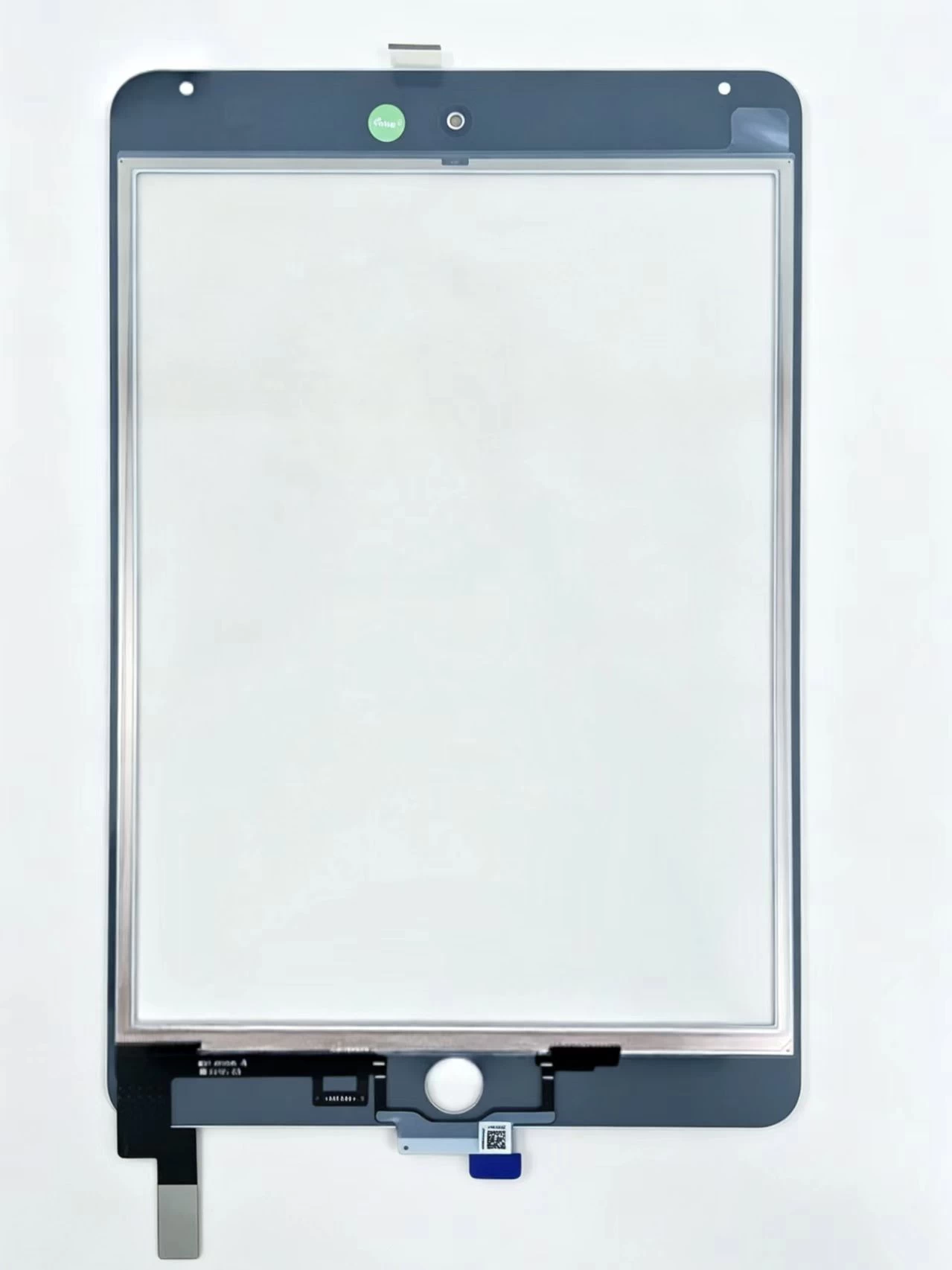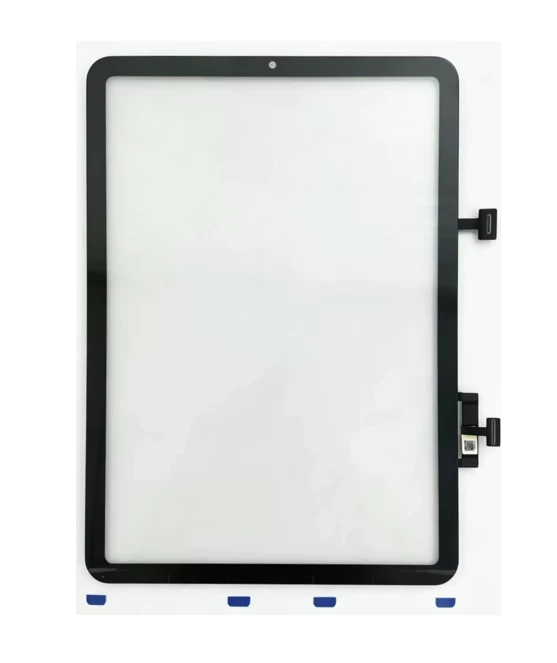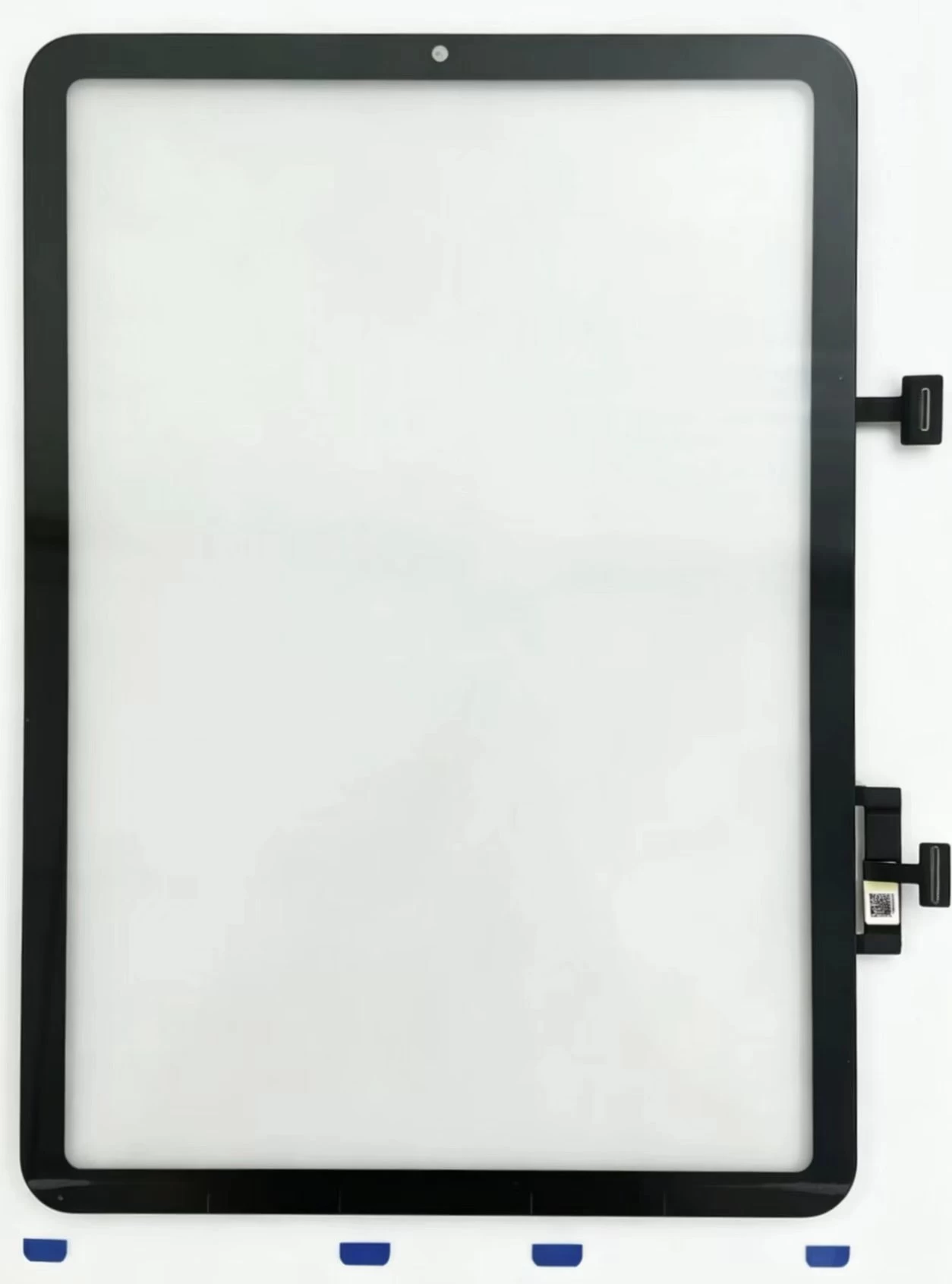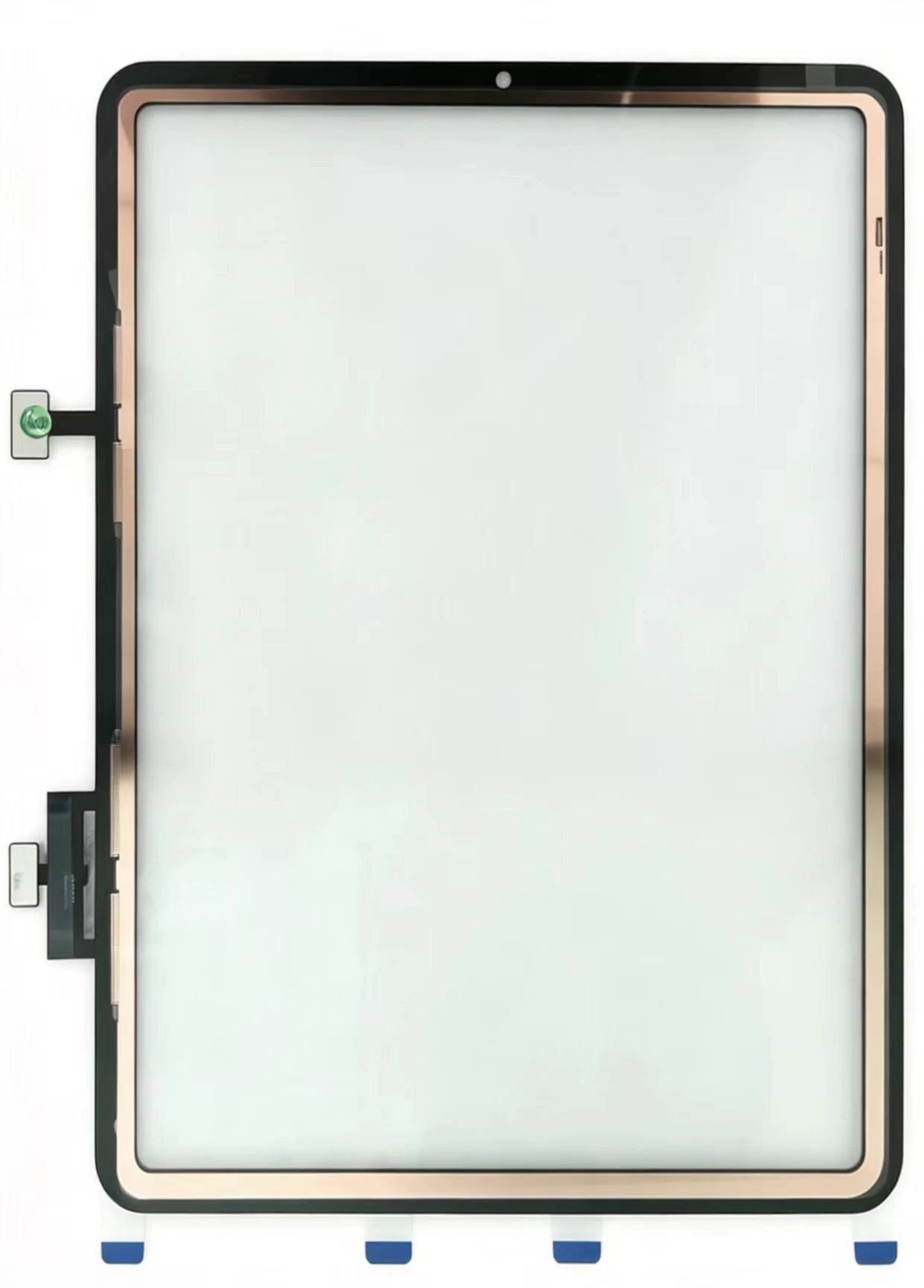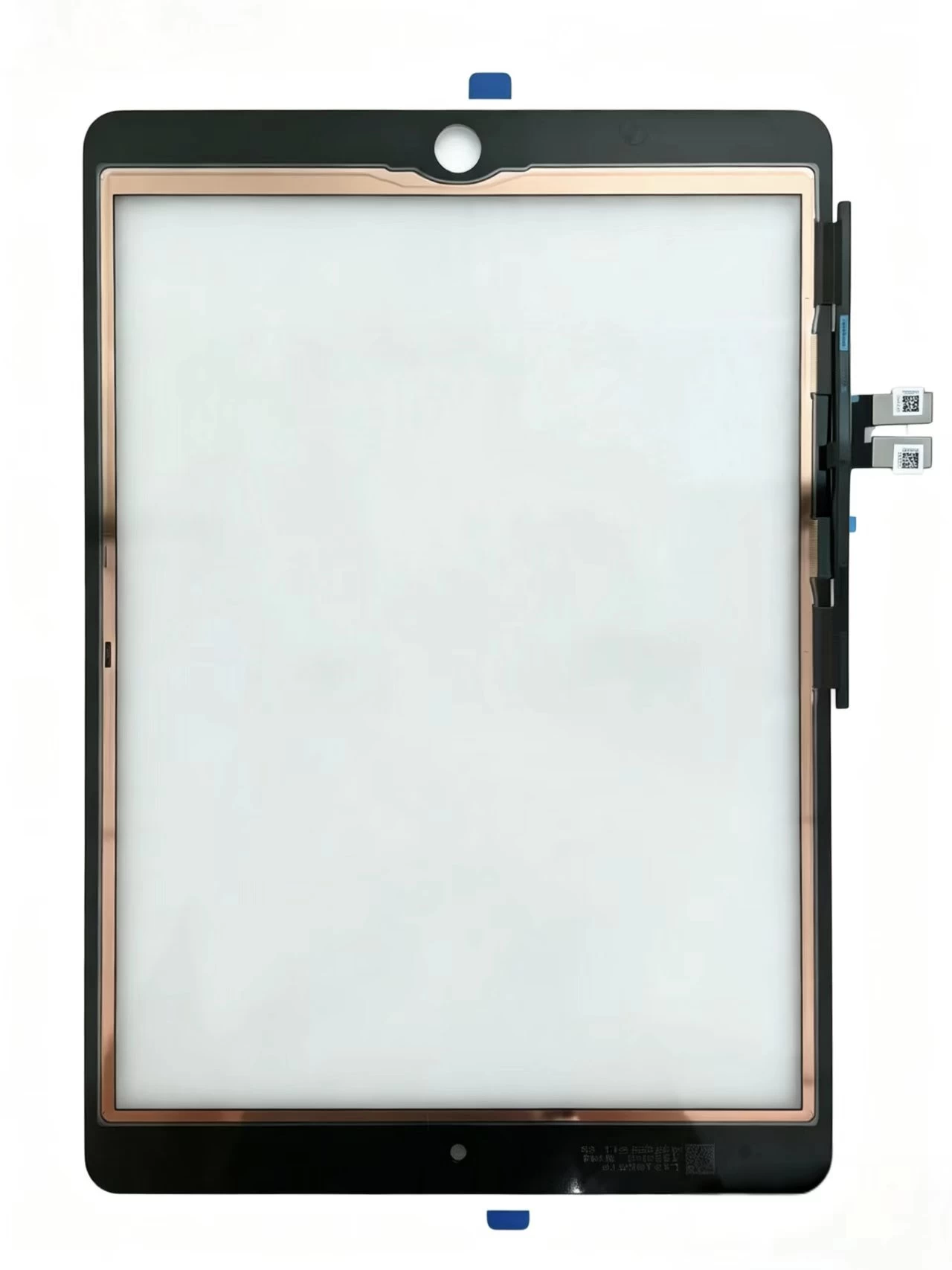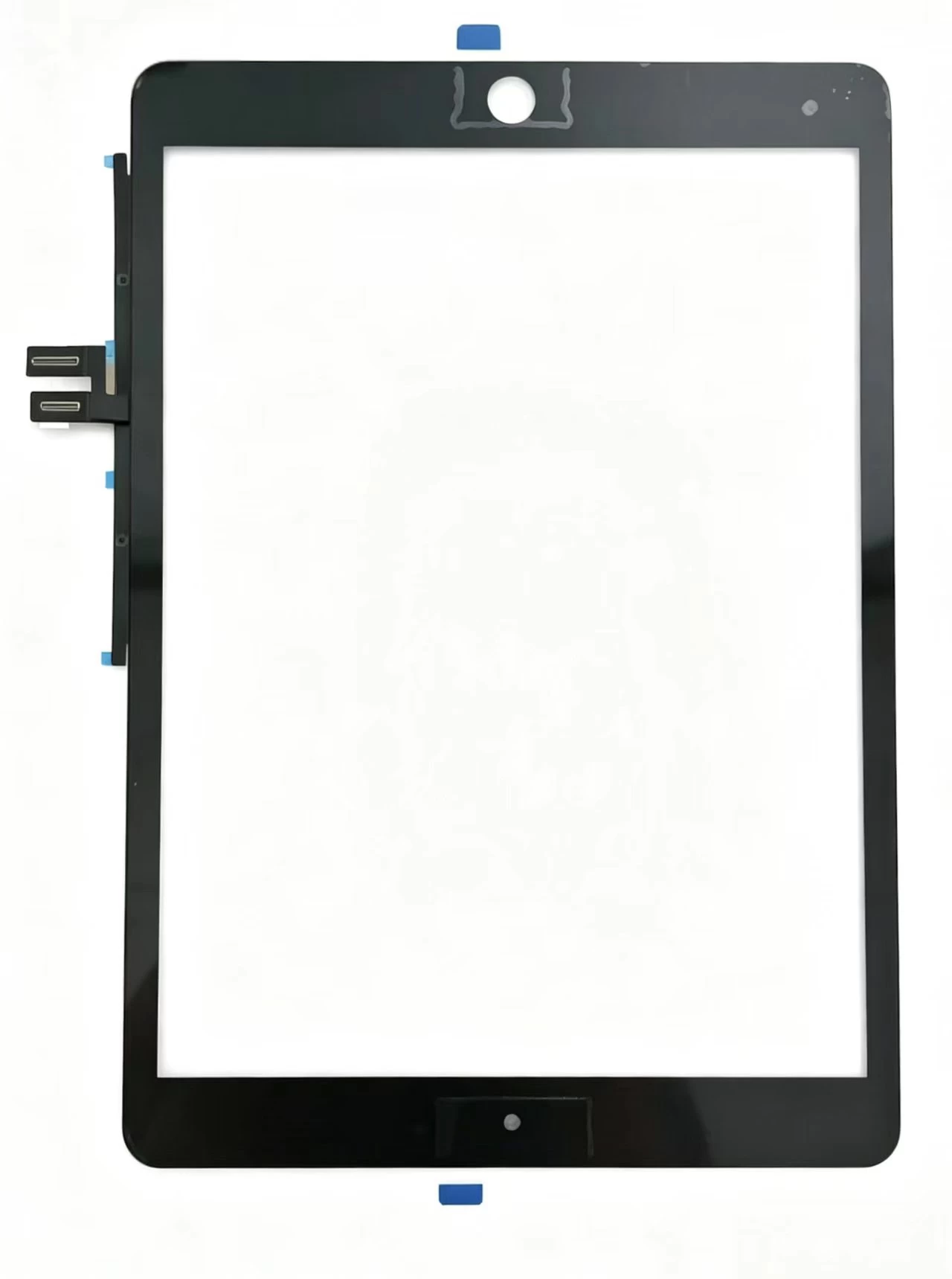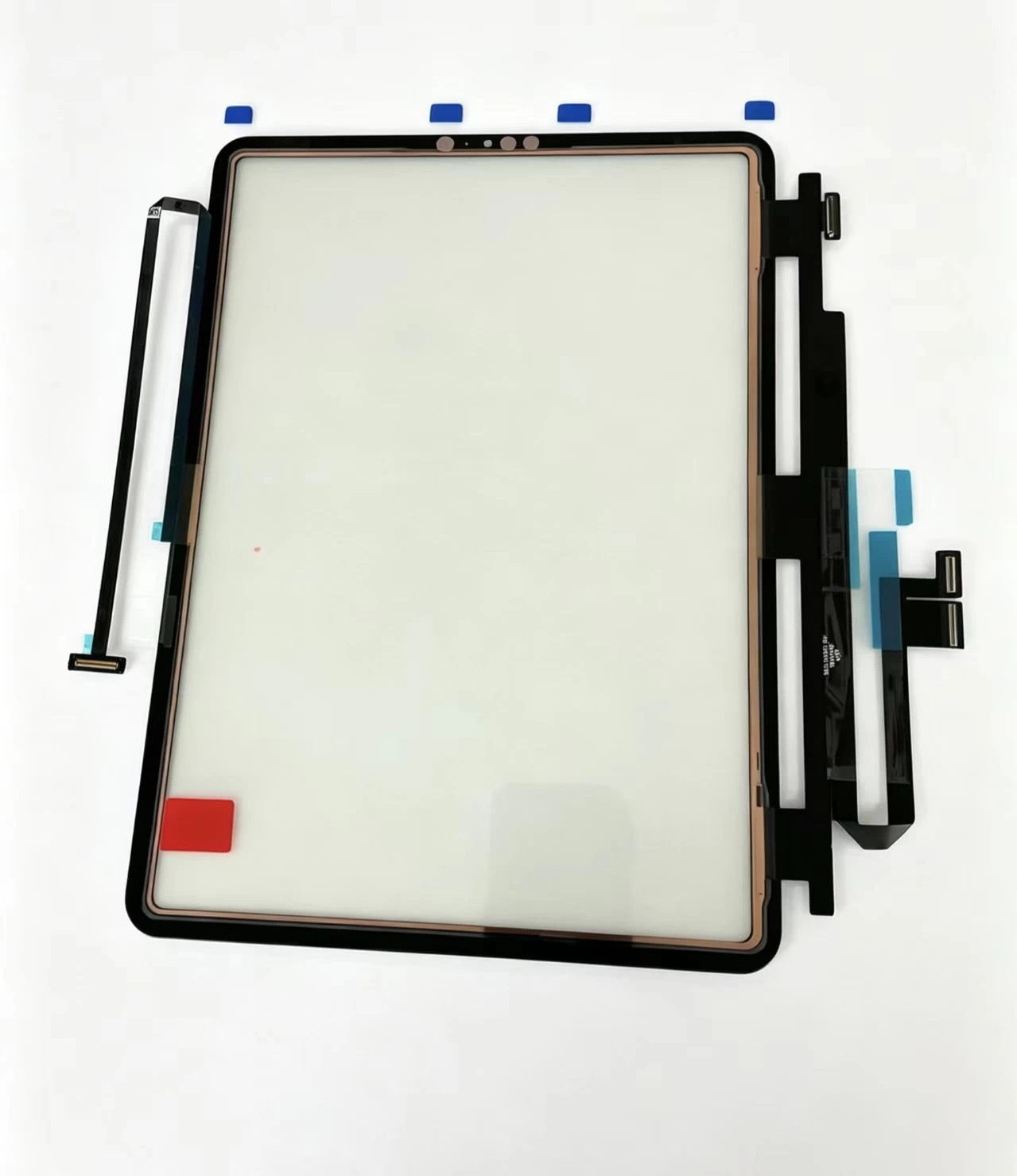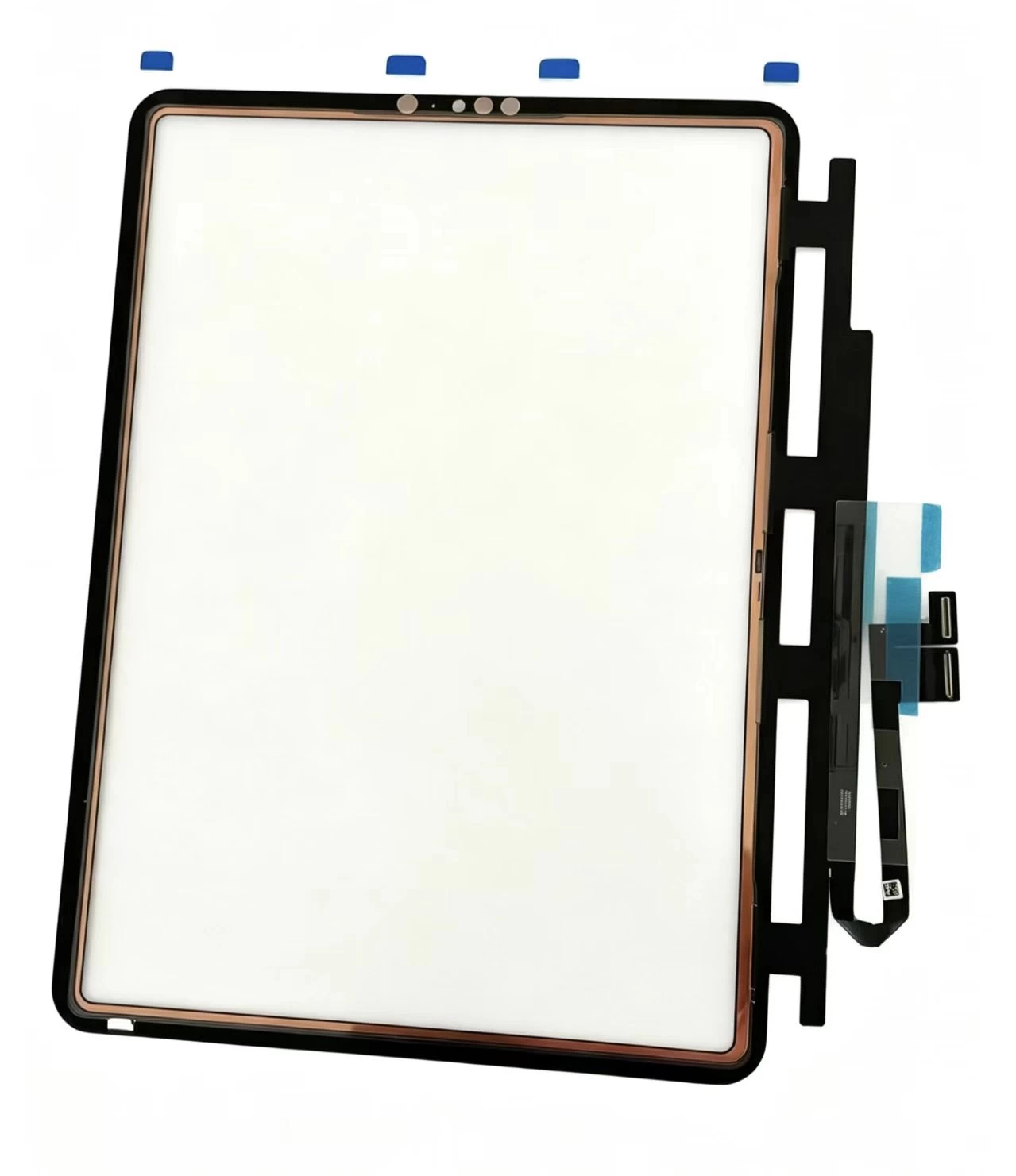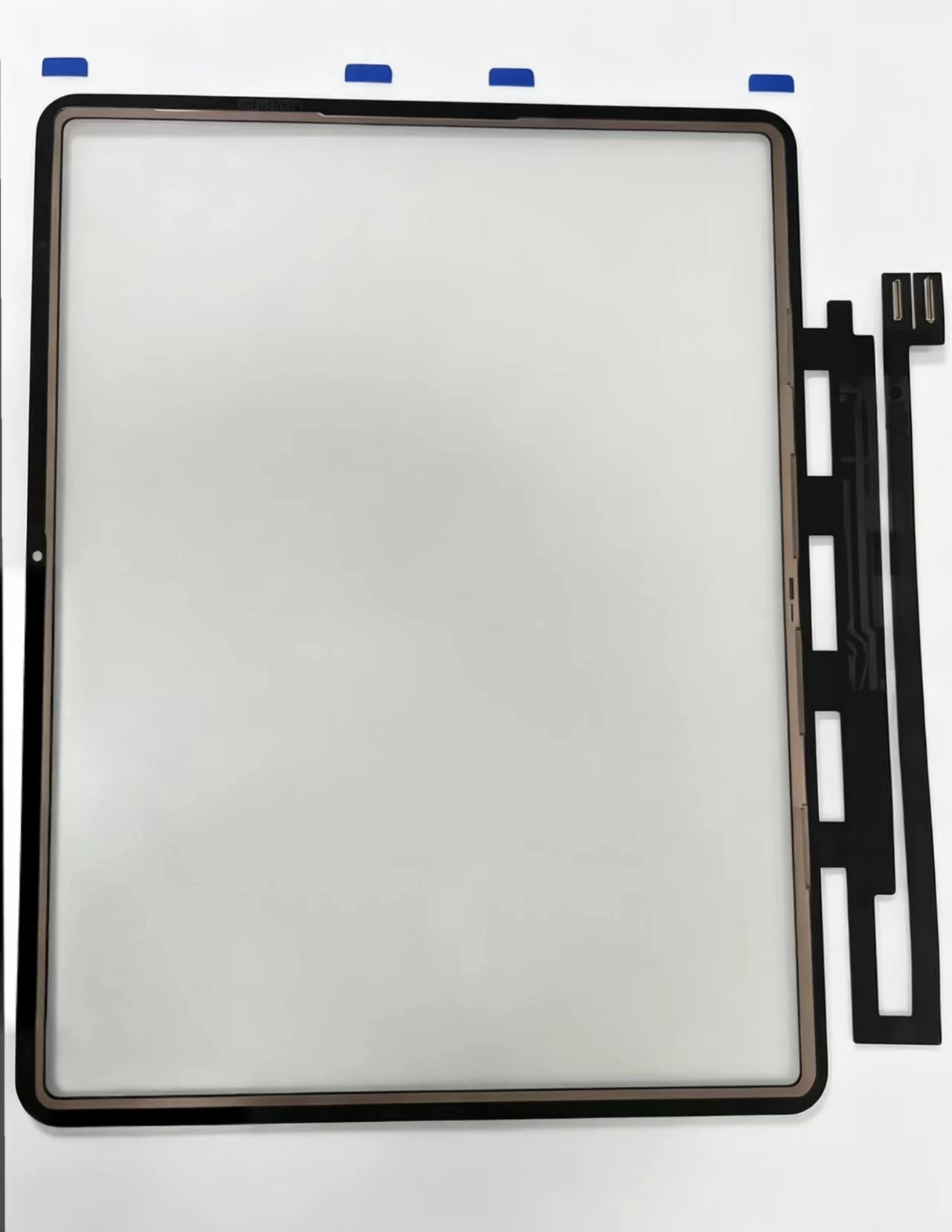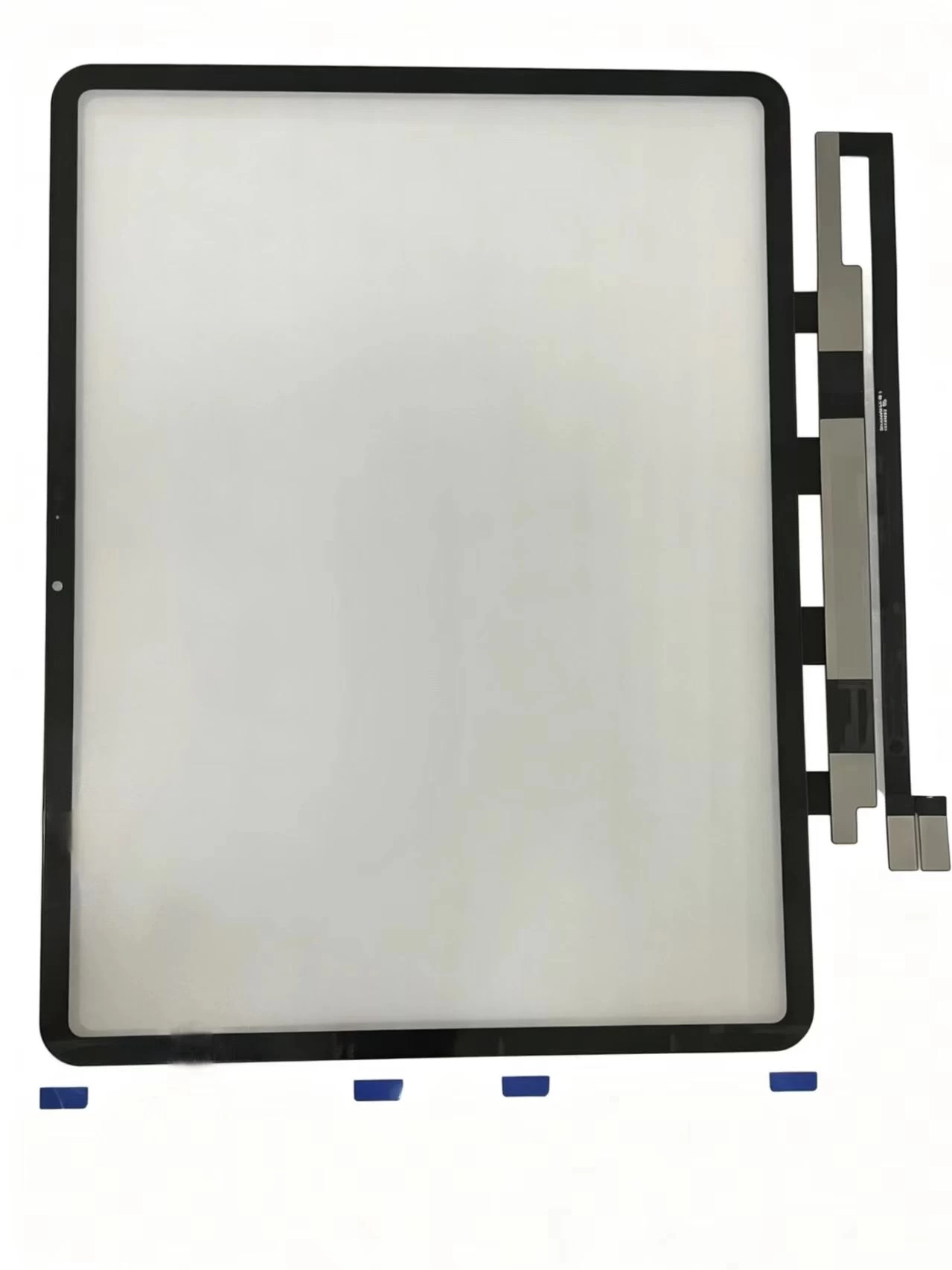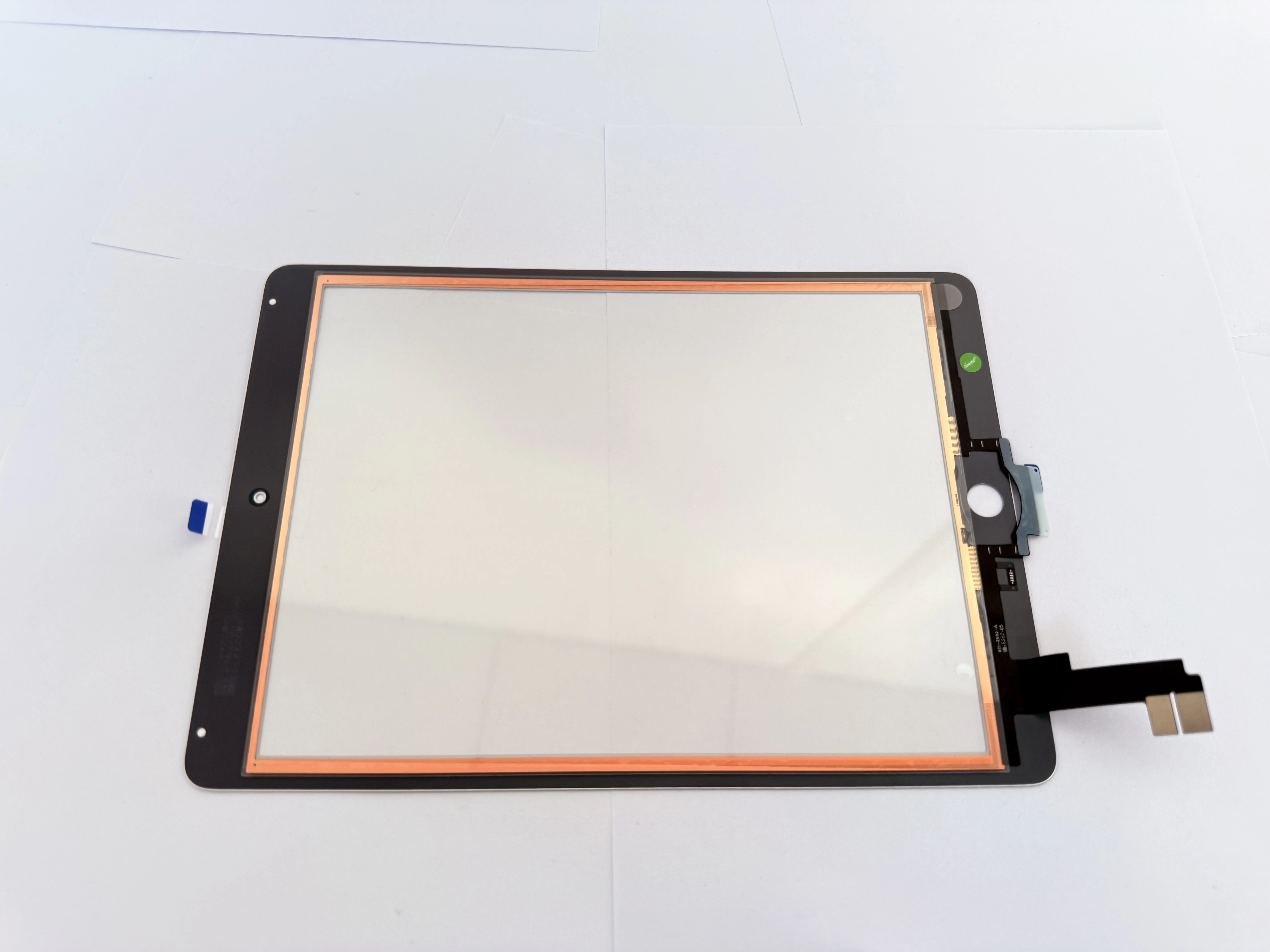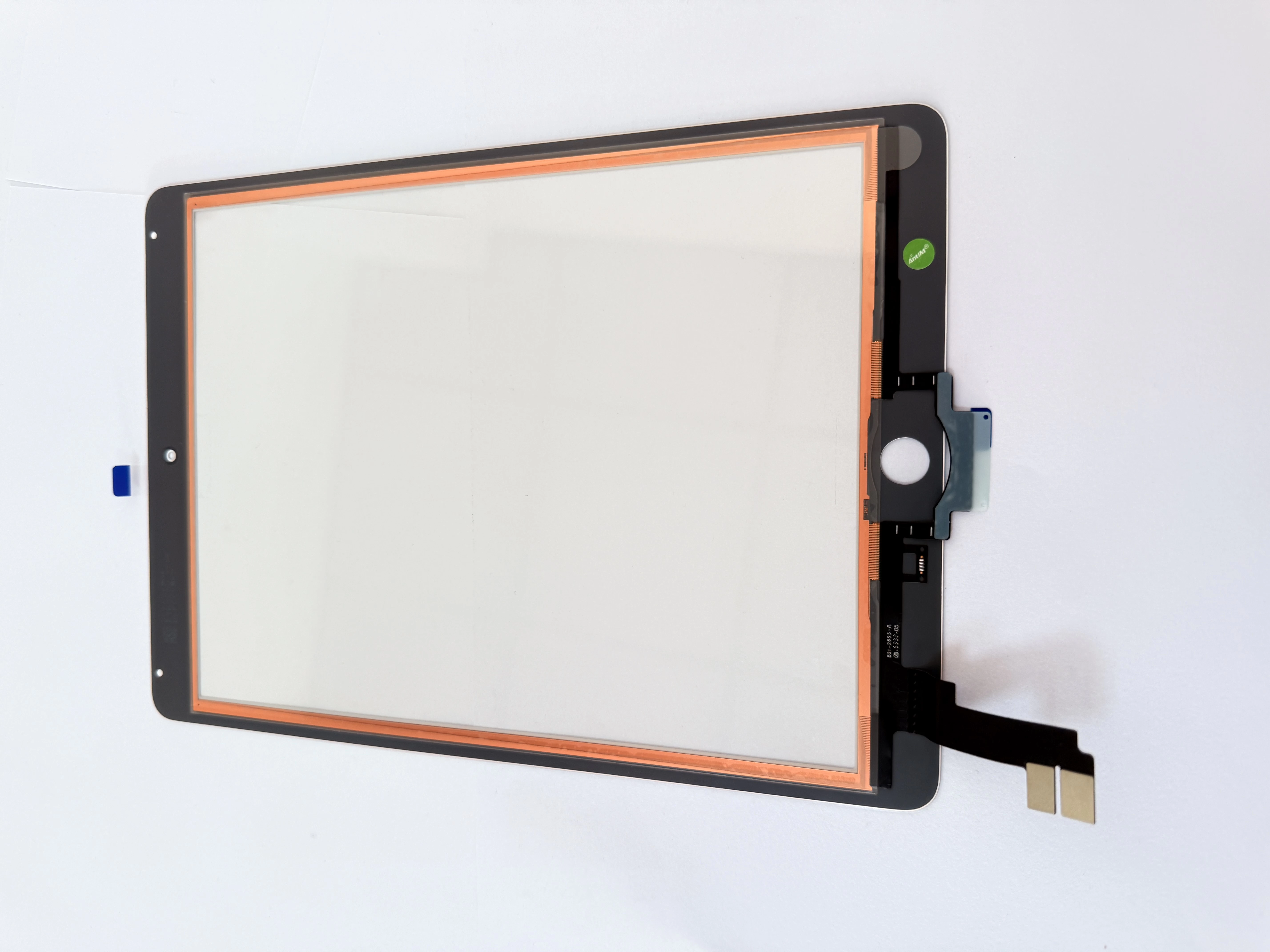

Whether you need iPad digitizers for a repair business, custom displays for a smart product, or commercial screens for a client project, the manufacturer you choose determines your quality, your margins, and your reputation. Yet most buyers evaluate suppliers on price alone and learn the real cost later. Here is a framework for choosing a touch screen and LCD display manufacturer that actually delivers.
Quality control is the whole process, not a final check
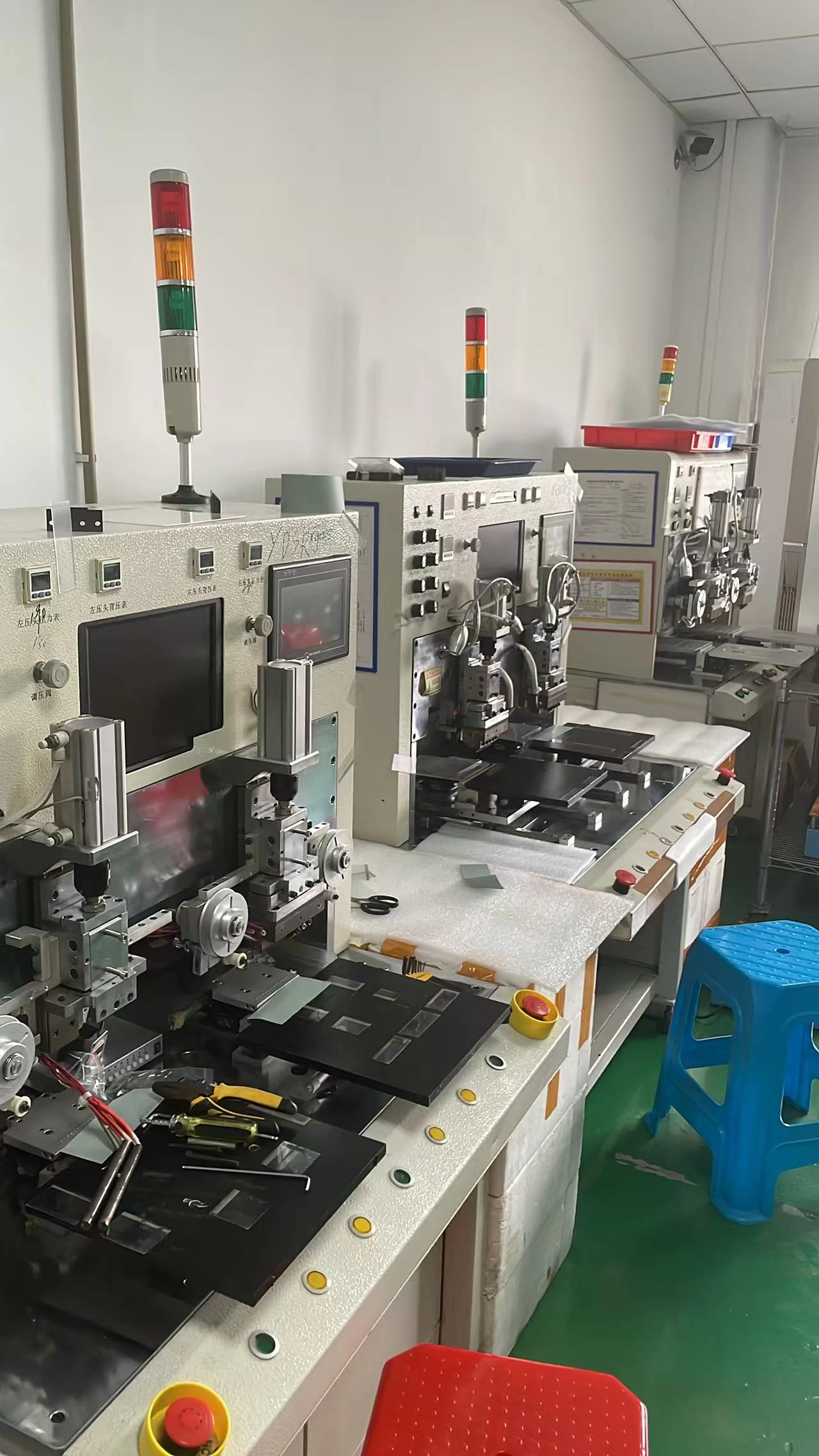
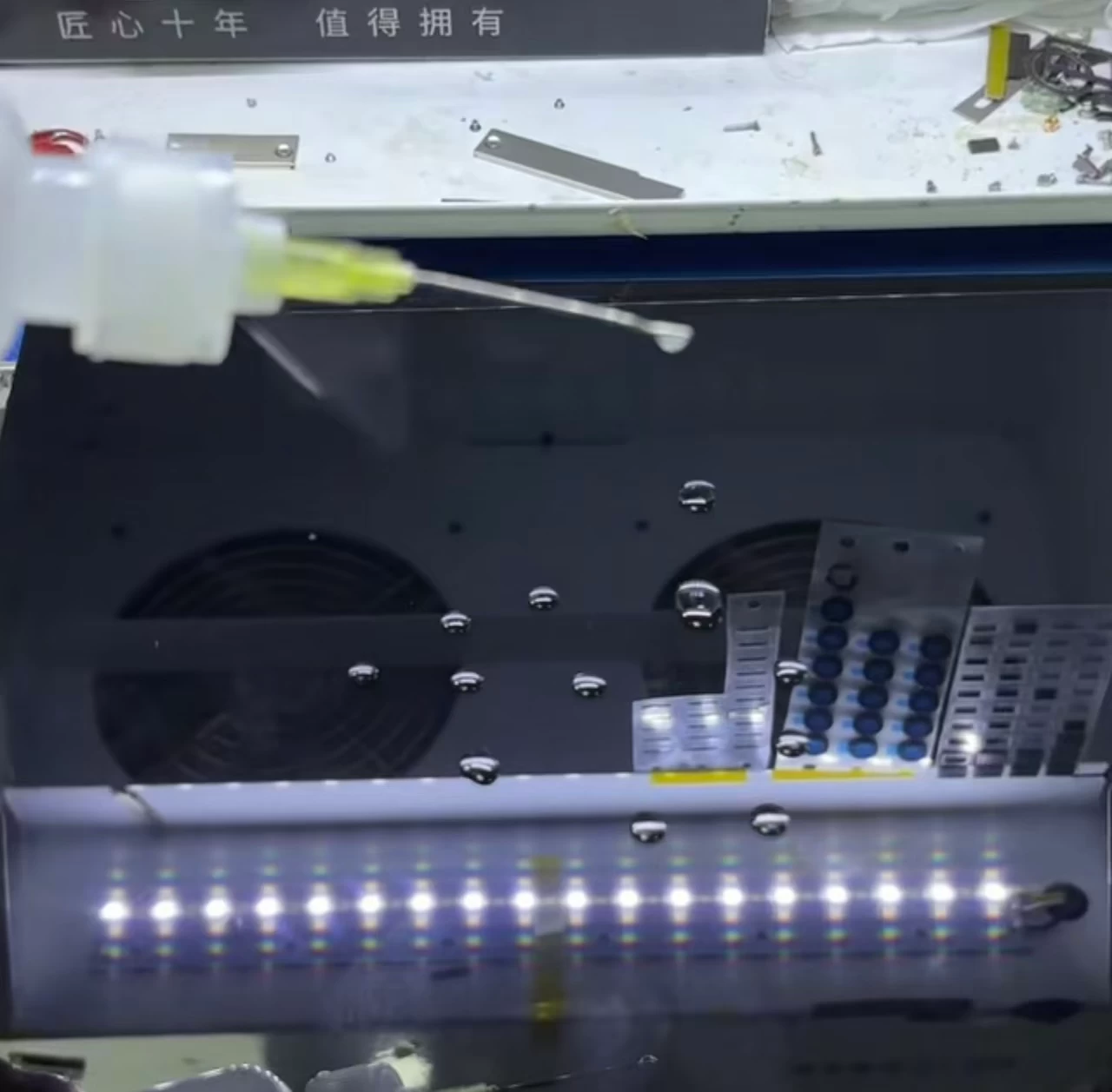
The difference between a reliable manufacturer and a box-mover shows up in how they control quality. A serious factory controls every stage: raw material selection, glass cutting and processing, lamination, touch controller tuning, optical inspection, and final testing. "Full-process quality control" is not a slogan — it is what keeps ghost touch, white spots, and premature failure from ever reaching your customer.
When you evaluate a supplier, ask about their quality process, not just their defect rate. How do they test touch response? What inspection happens before packaging? A supplier who can explain their process in detail is far more trustworthy than one who can only quote a price.
Certifications are a floor, not a differentiator
Certifications such as ISO tell you a factory meets baseline quality and process standards. That matters — it filters out ad-hoc workshops. But certifications alone do not guarantee your product will be good. Two ISO-certified factories can produce very different screens because experience, equipment, and engineering depth differ.
Use certifications as a minimum bar, then evaluate the supplier on the dimensions below.
Engineering experience changes everything
Touch display technology is unforgiving. Subtle problems — EMI causing ghost touch, lamination errors causing haze, connector mismatches causing failures — are solved through years of experience, not just equipment. A manufacturer with 12+ years of core touch display expertise has seen the failure modes and built the fixes into their process.
That experience also makes them a better partner during customisation. When your spec needs adjustment for a specific application, an experienced engineer advises you based on what actually works in the field, not just what looks good on paper.
Small quantity support matters more than you think
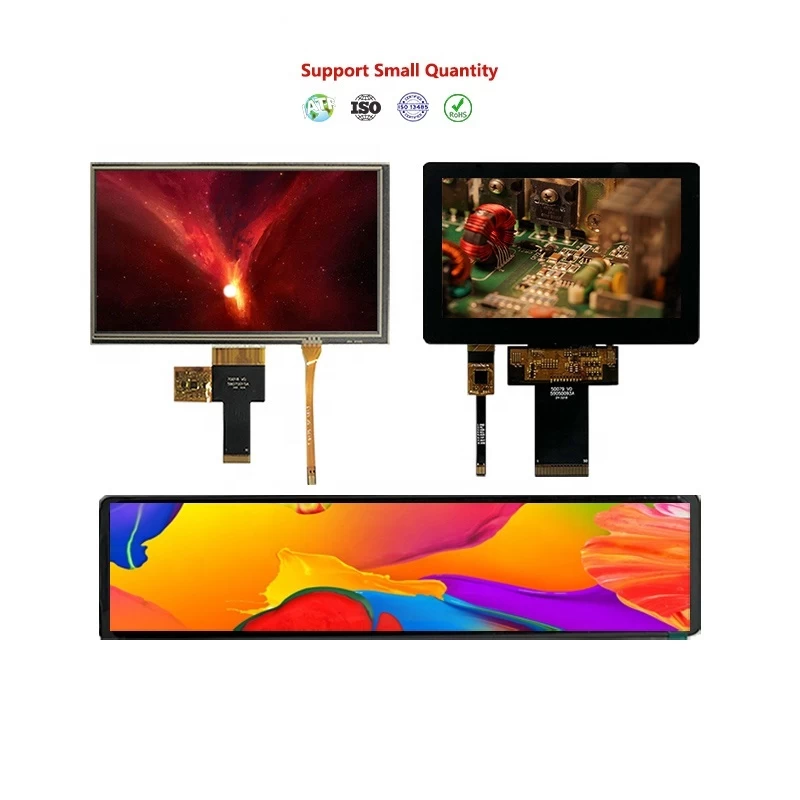
Not every project starts with a container order. Product developers and small brands often need prototypes, pilot runs, and small quantities first. A manufacturer that supports small quantity orders lets you validate your product before committing to volume — and proves they are willing to build a relationship rather than chase a single large order.
If a supplier only talks about large MOQs, they may not be the right partner for an iterative product development process.
Supply reliability protects your business
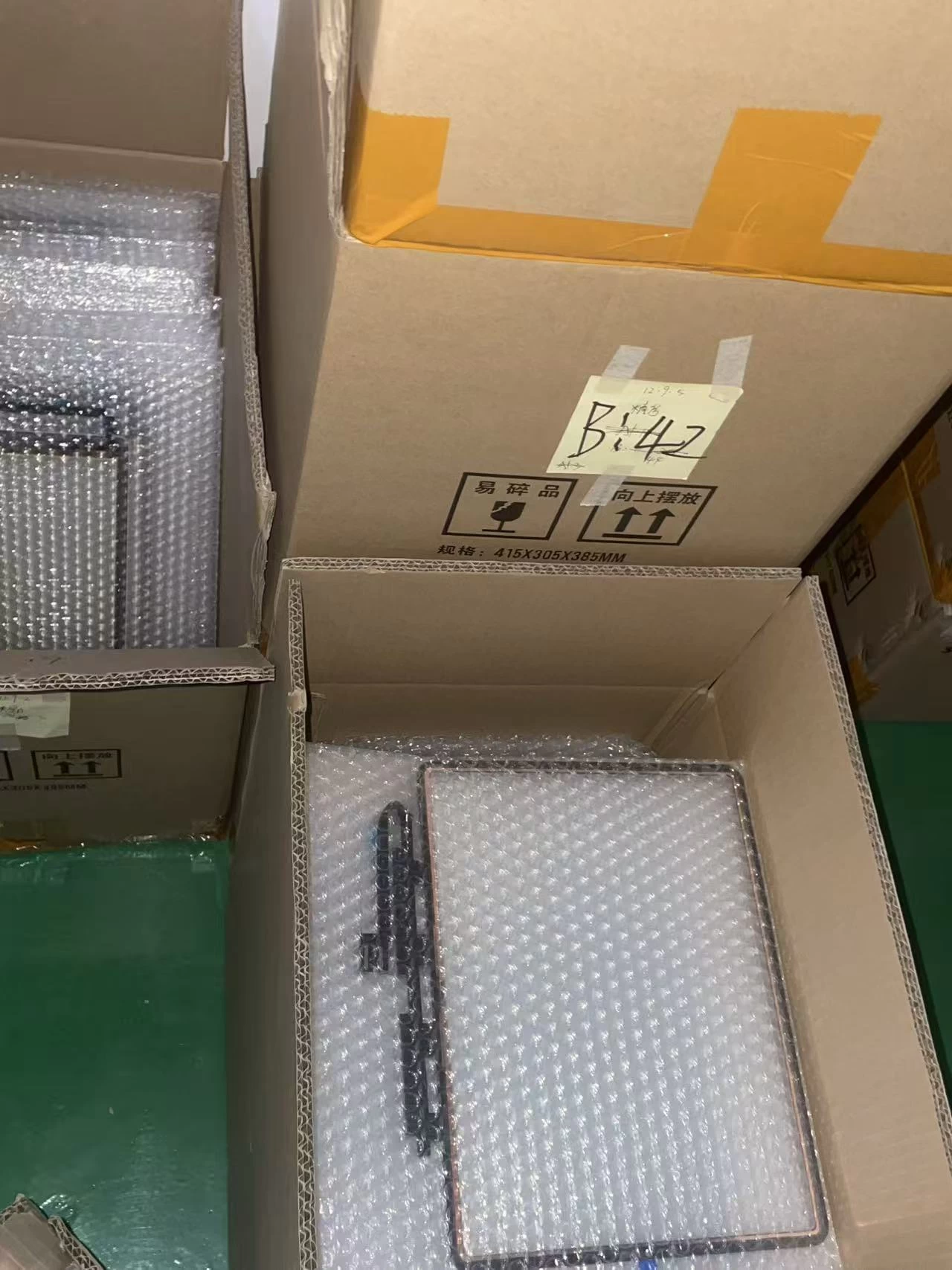
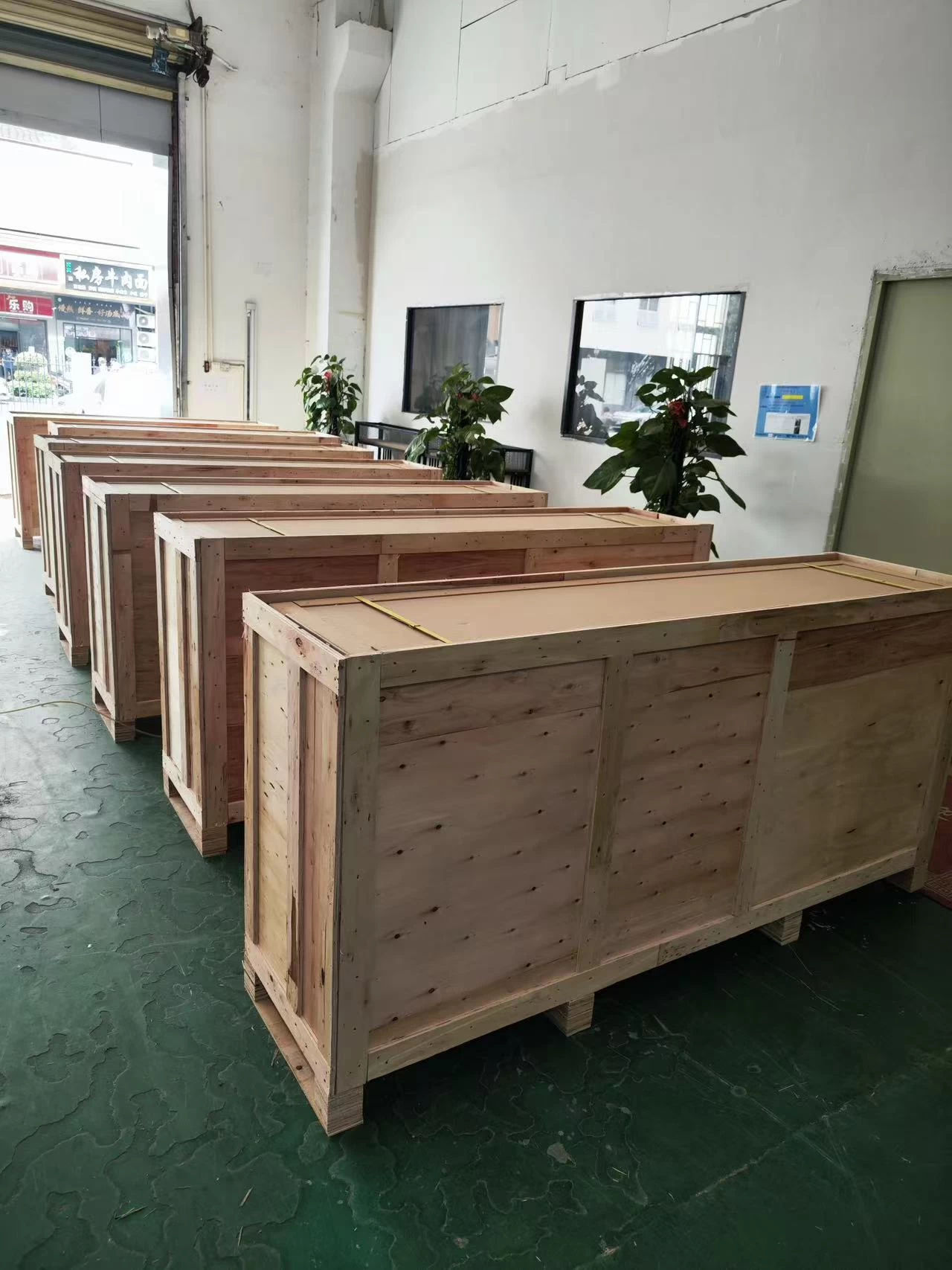
A great screen is worthless if you cannot get the next batch. Evaluate a supplier's supply stability: do they maintain inventory of popular parts? Can they handle recurring orders without quality drift? Do they use export-grade packaging so parts arrive undamaged?
For repair businesses and distributors especially, a supplier who "goes dark" after the first order destroys your own reliability with your customers. Long-term supply dependability is a core selection criterion, not a nice-to-have.
The evaluation checklist
- Can they explain their full-process quality control in concrete terms?
- Do they hold relevant certifications (e.g. ISO) and pass minimum standards?
- Do they have genuine touch display engineering experience?
- Do they support small quantities for prototypes and pilot runs?
- Can they supply consistently for recurring orders, with export-grade packaging?
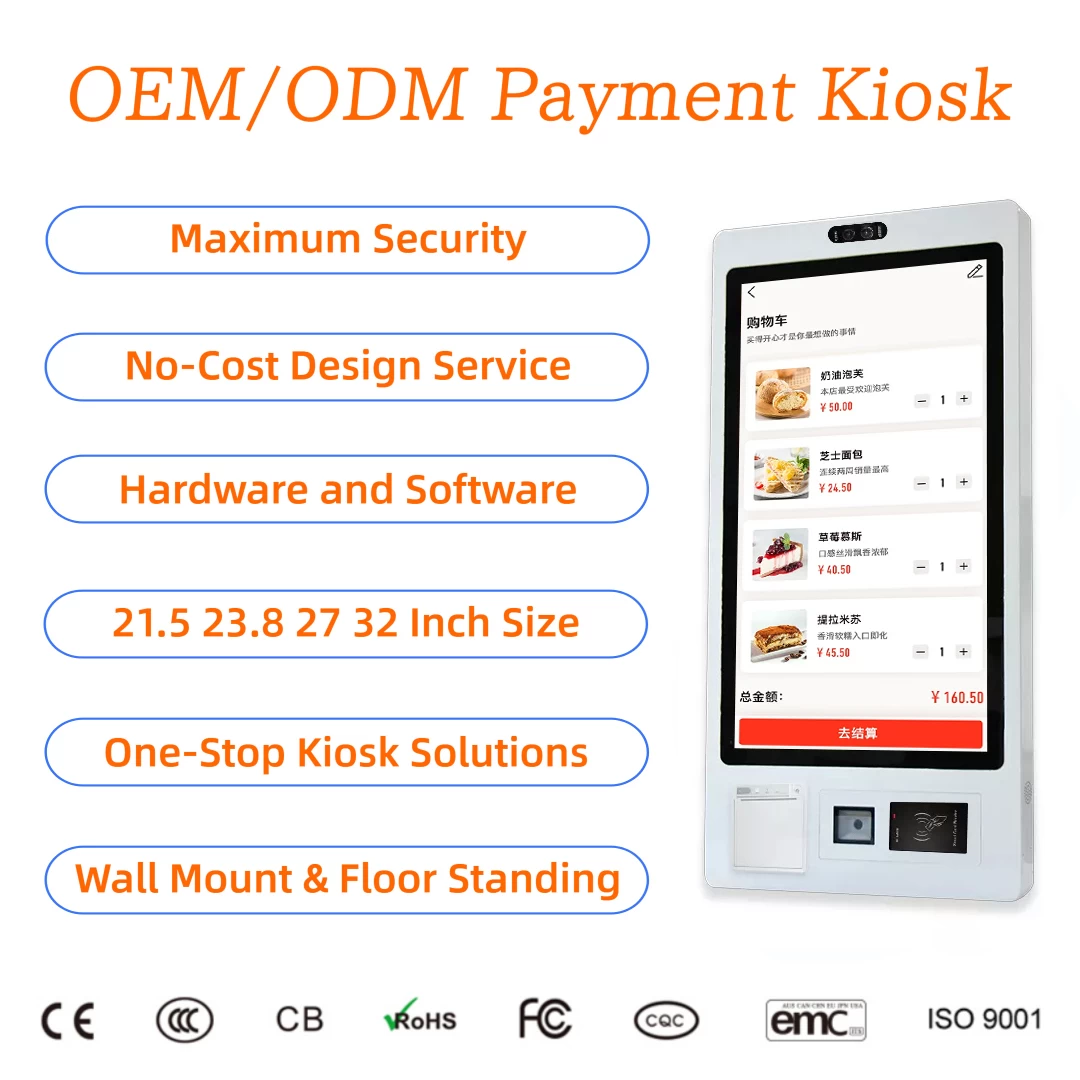
- Do they offer the customisation depth your product needs (OEM/ODM, branding)?
The right choice compounds
A reliable display manufacturer is not the cheapest vendor — they are the partner whose consistency lets you stop worrying about parts entirely. Choose on quality, engineering, and supply reliability, and every product you ship carries the strength of that decision. It is the highest-leverage sourcing choice your business will make.