How to Choose a Reliable iPad Touch Screen Supplier for Repair Shops and Wholesalers

For repair shops, parts distributors, and electronics wholesalers, choosing the right iPad touch screen supplier is not only about price. A low-quality digitizer may lead to poor touch sensitivity, unstable performance, customer complaints, and repeated returns. In a competitive repair market, stable quality and reliable supply are often more important than a slightly lower unit cost.
Whether you are purchasing iPad touch screen digitizers, screen assemblies, or customized display solutions, the following factors can help you evaluate a supplier more professionally.
1. Check Model Compatibility Carefully
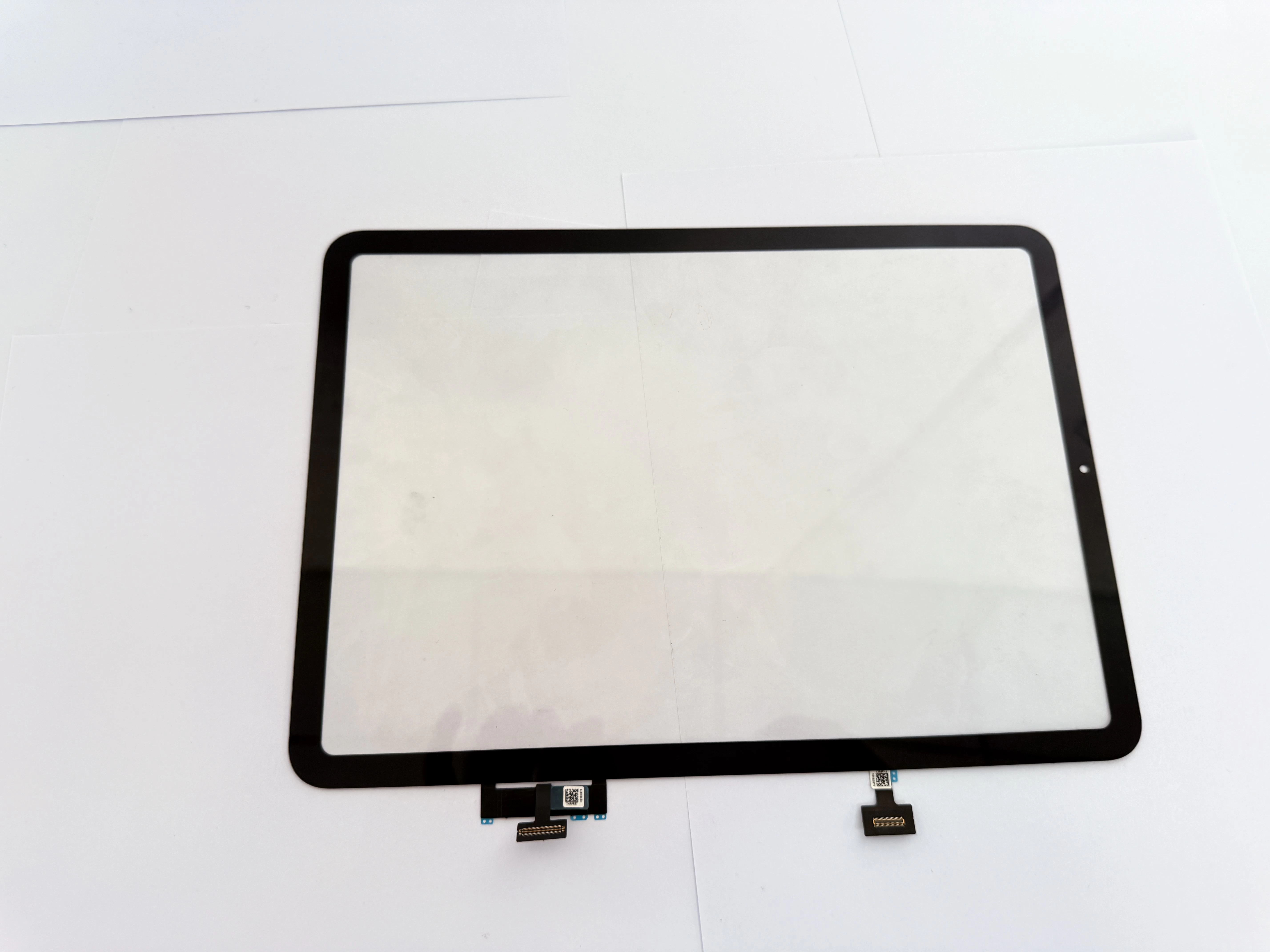
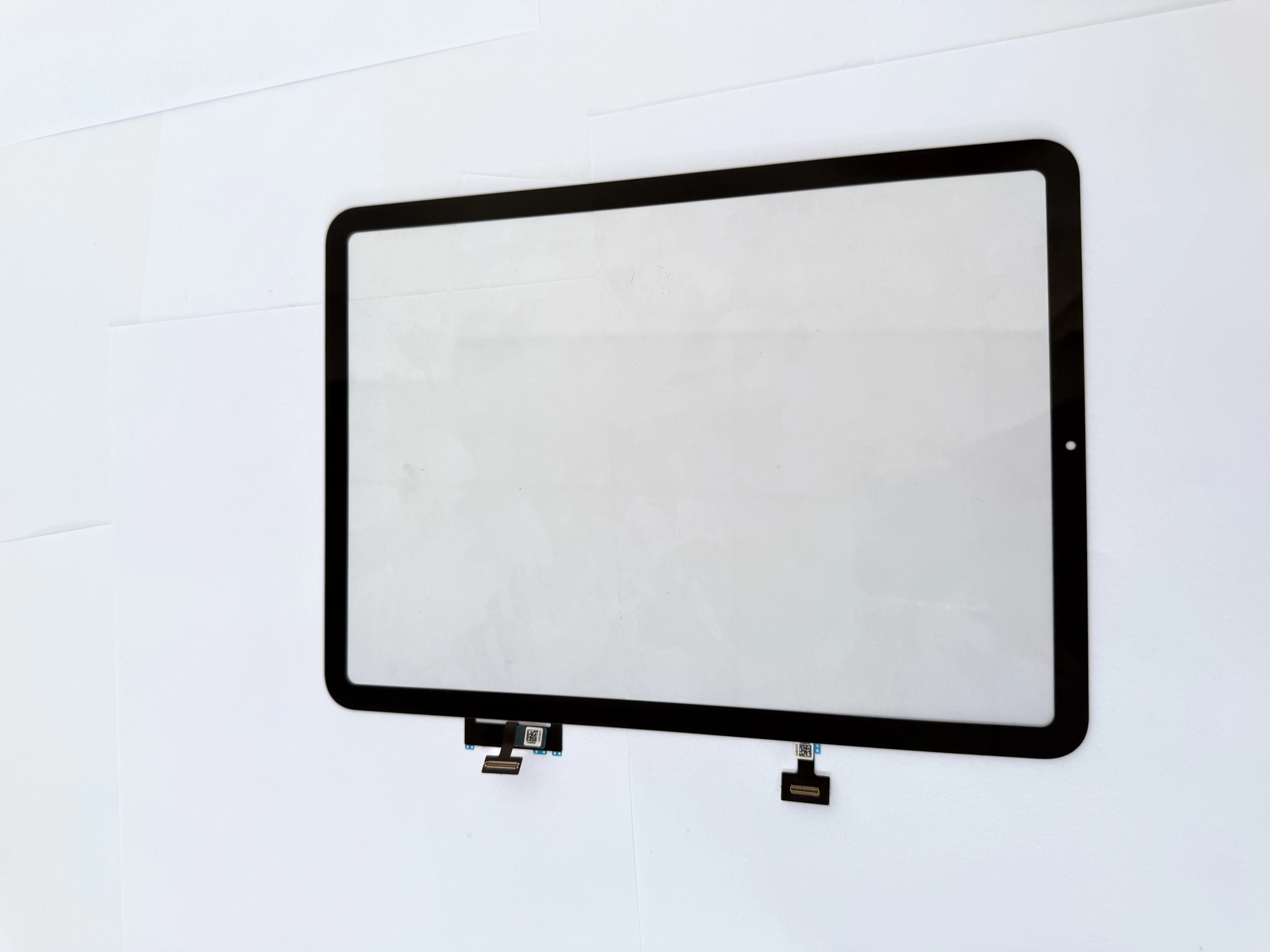
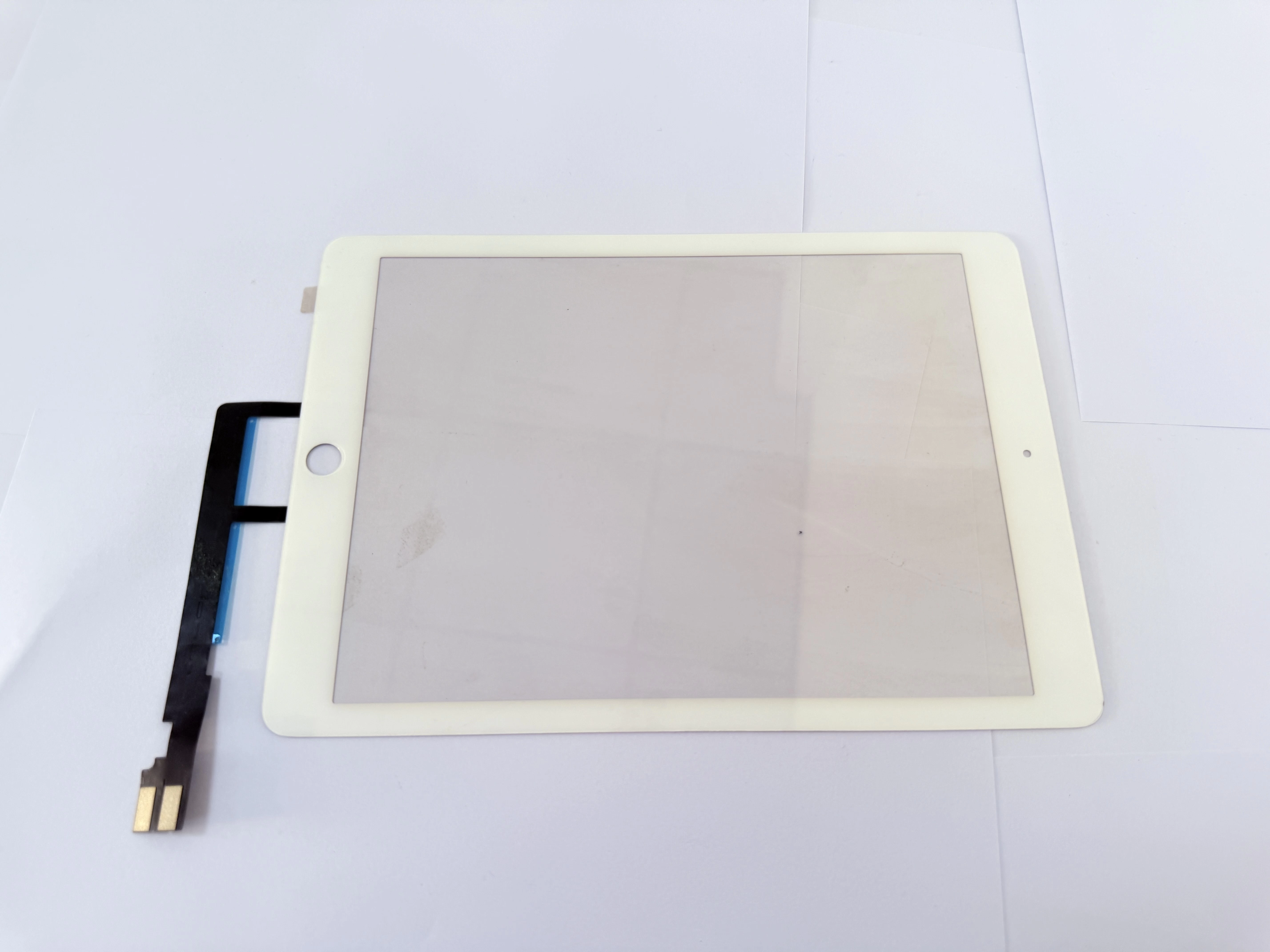
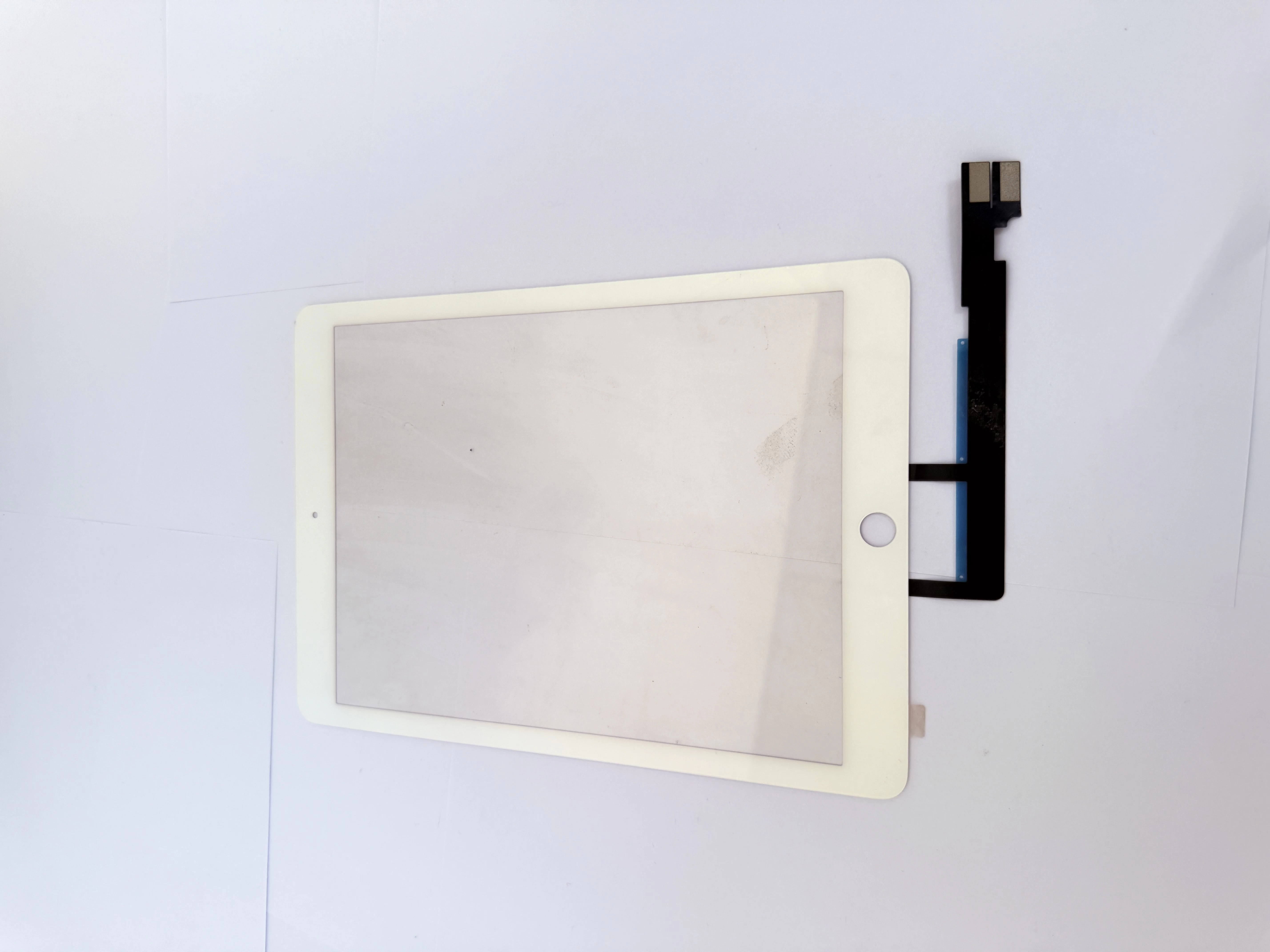
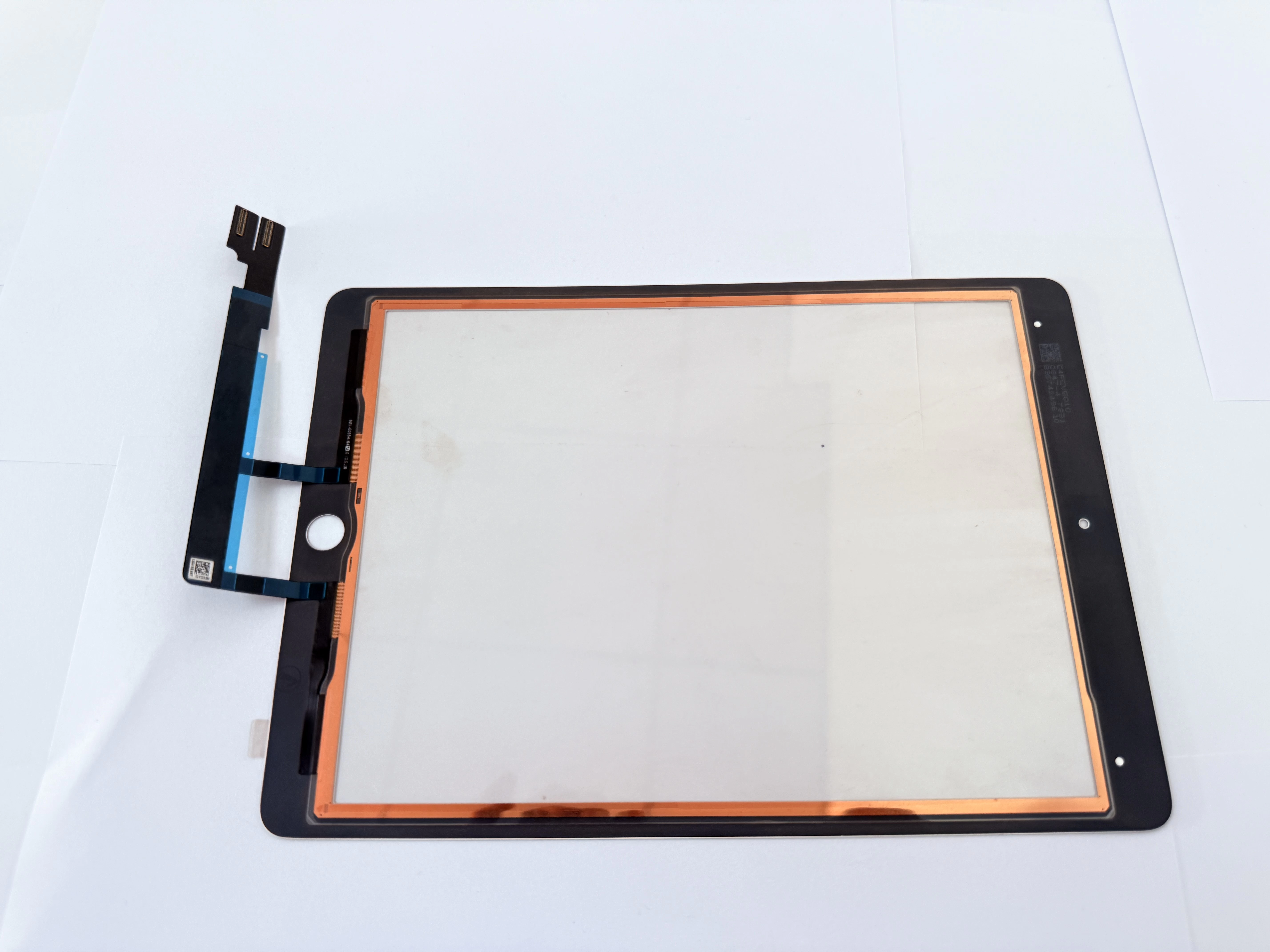
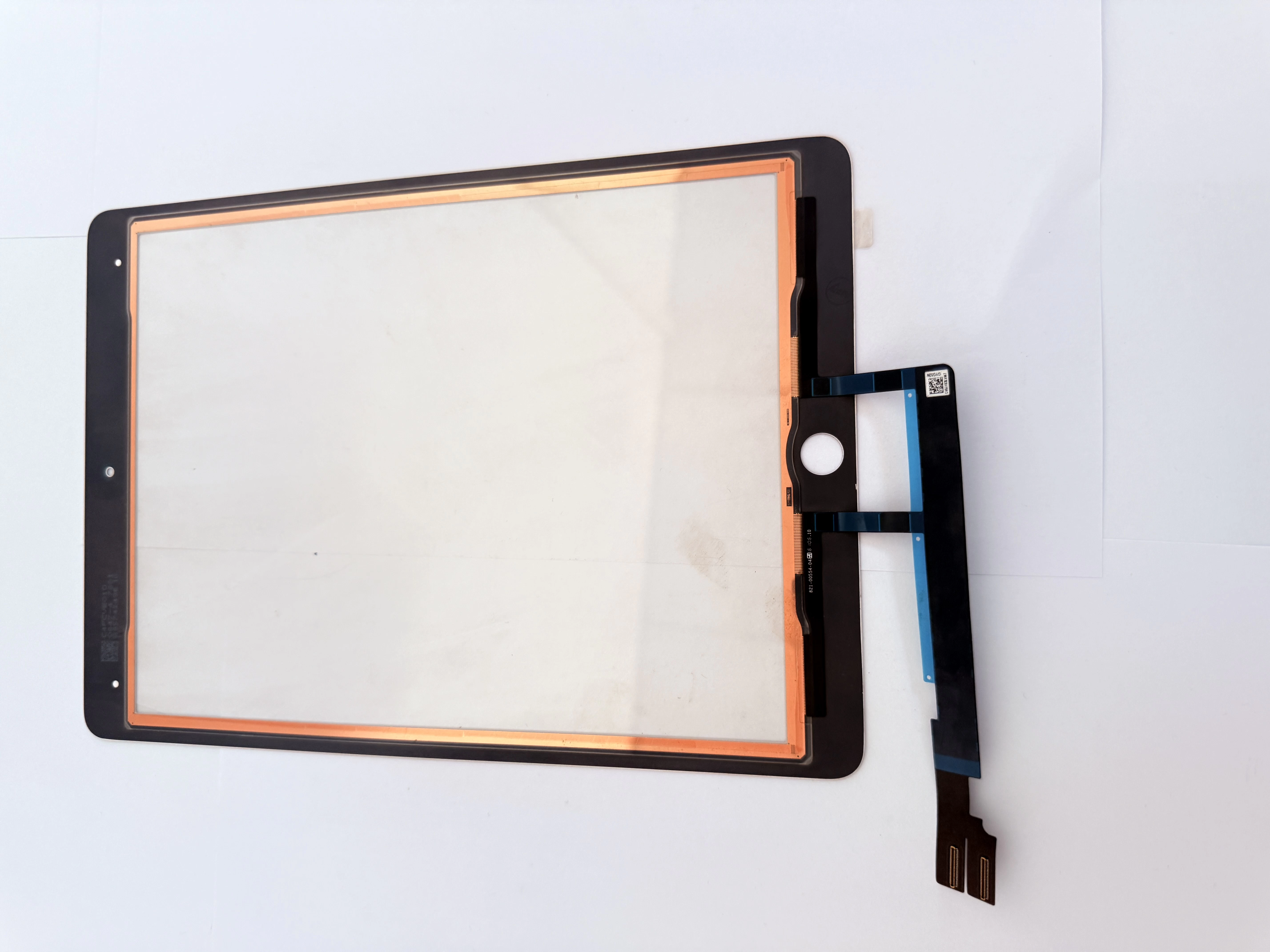
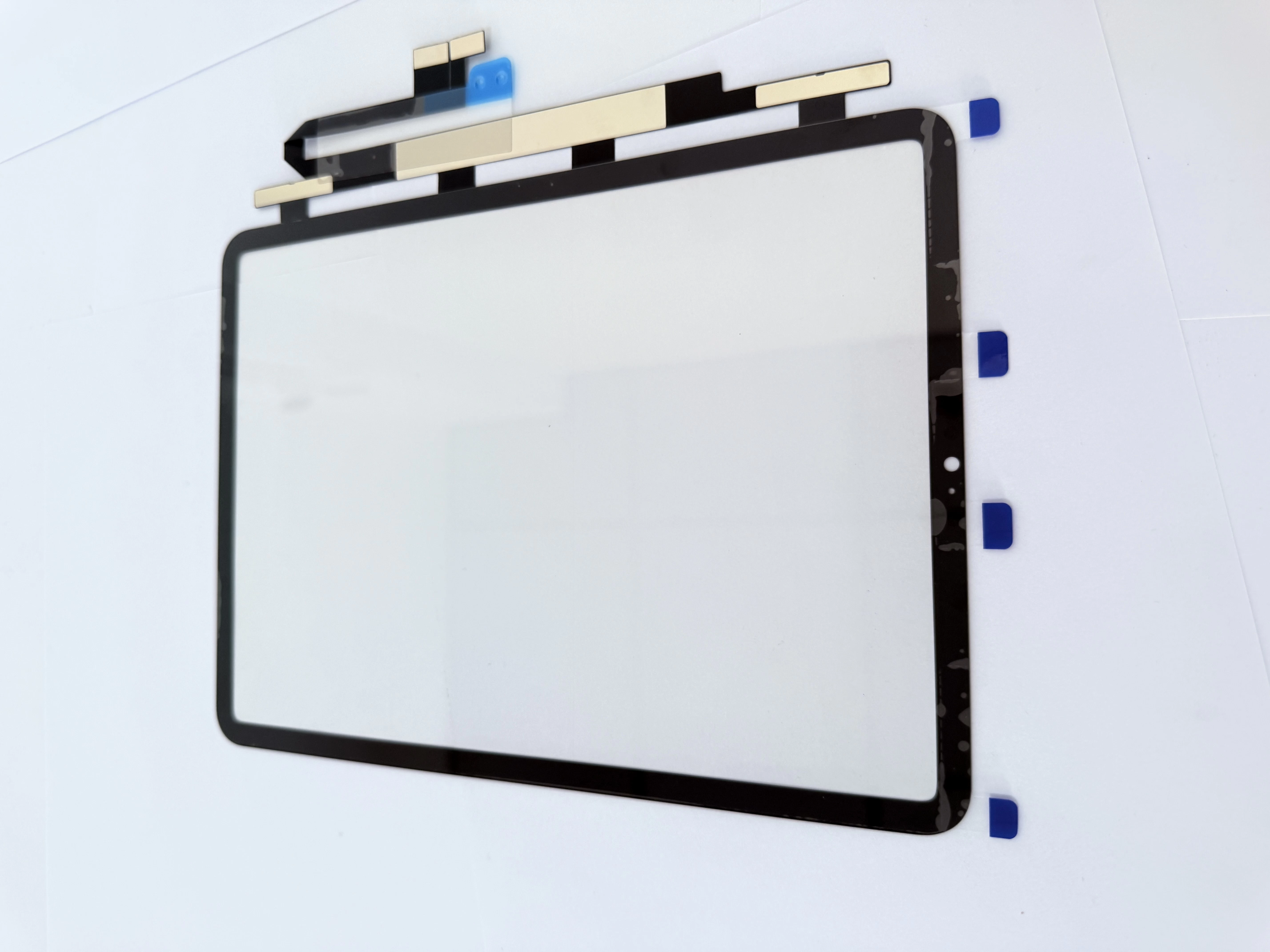
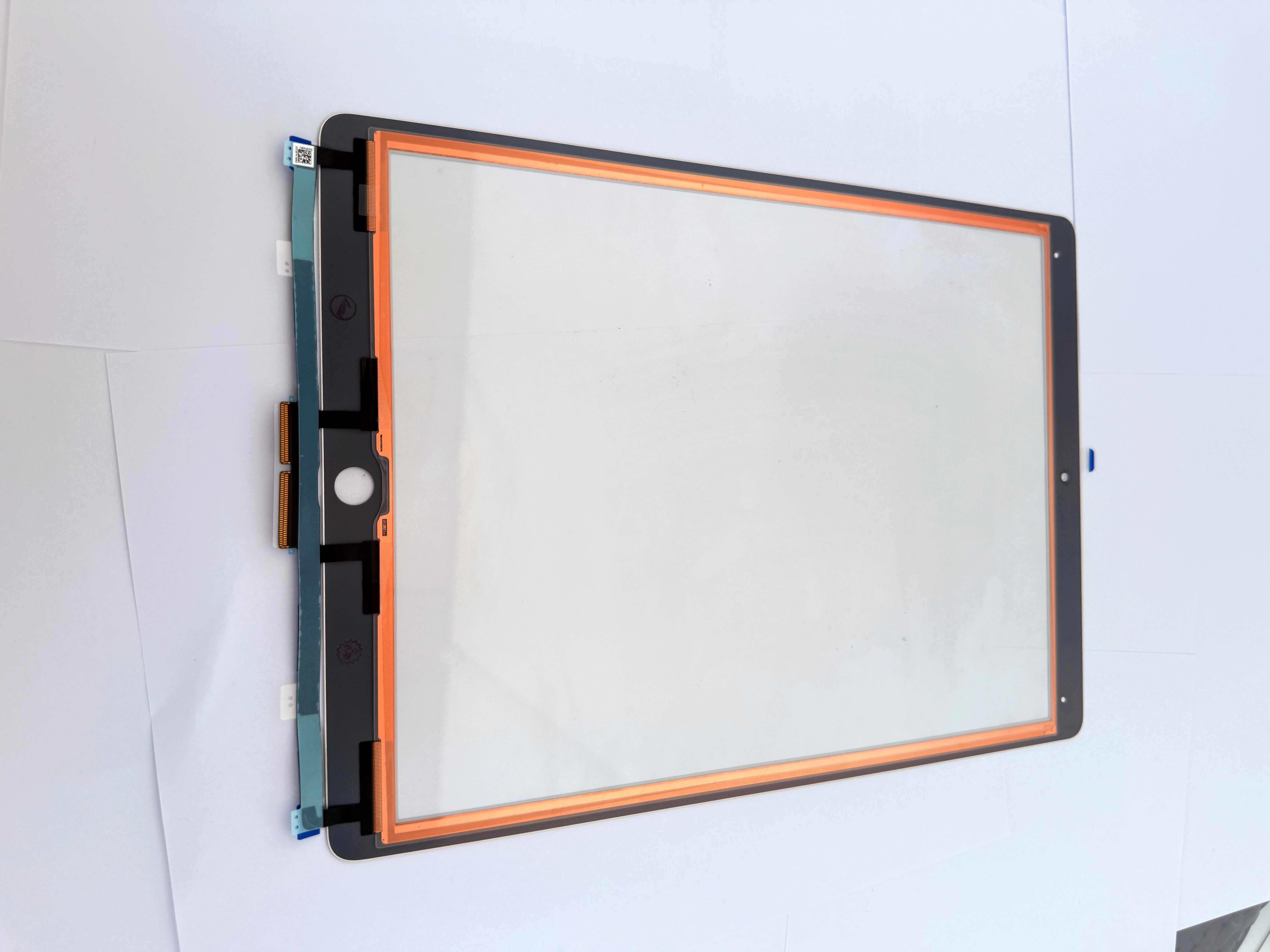
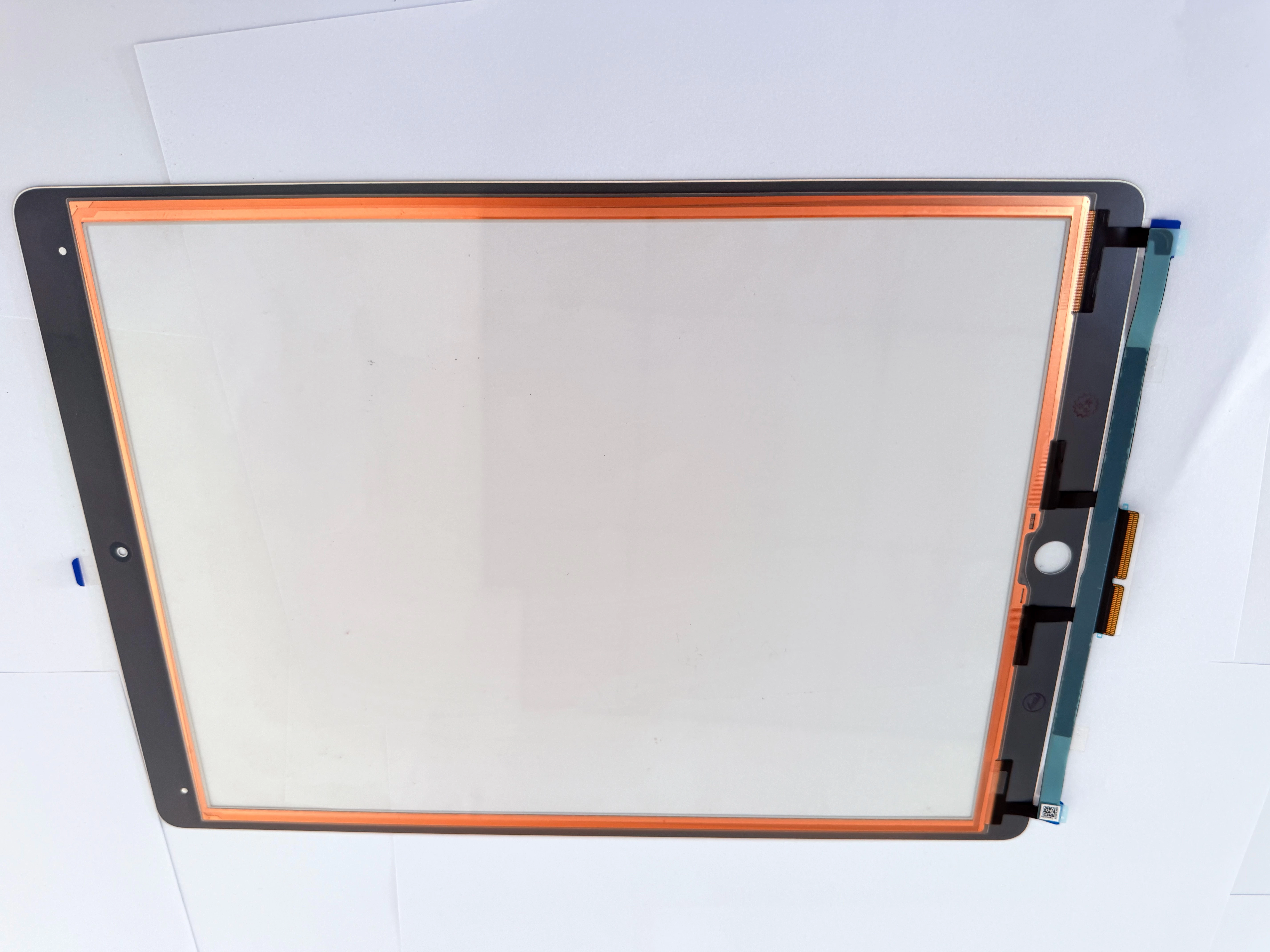
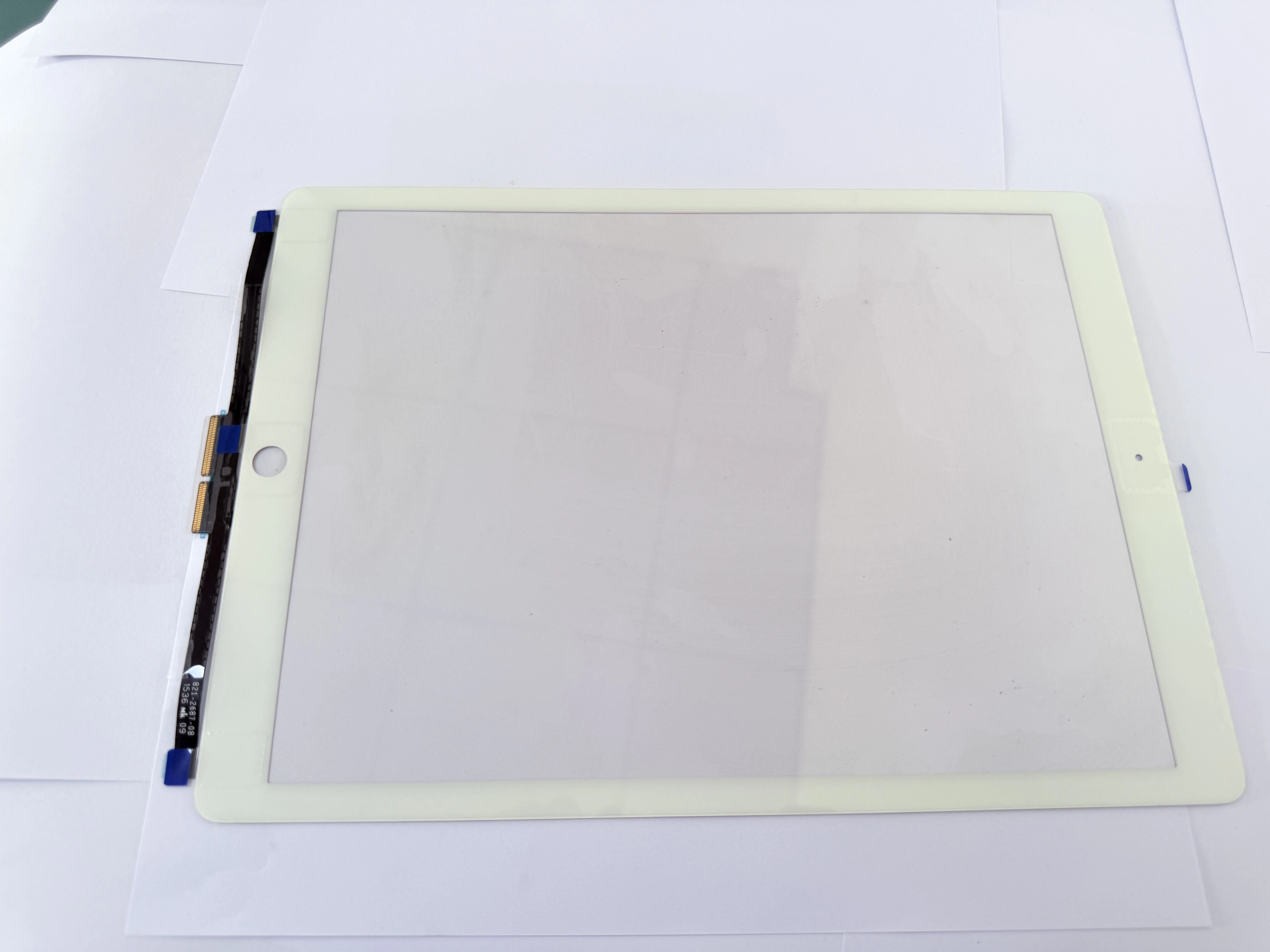
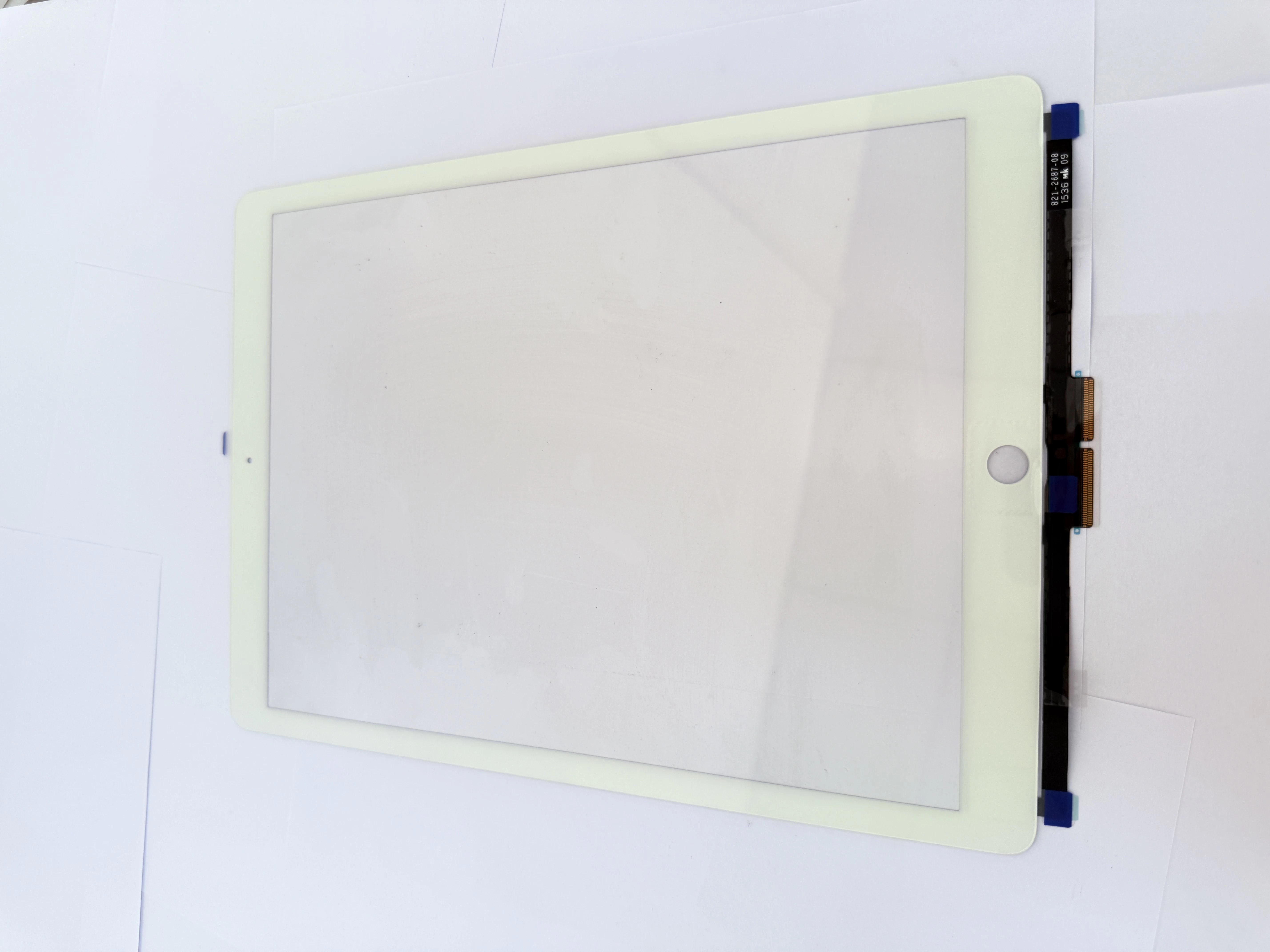
The first step is to confirm whether the supplier can provide touch screen parts for the exact iPad models you need. Different iPad generations may look similar, but their touch panels, flex cables, connectors, adhesive structures, and internal layouts can be different.
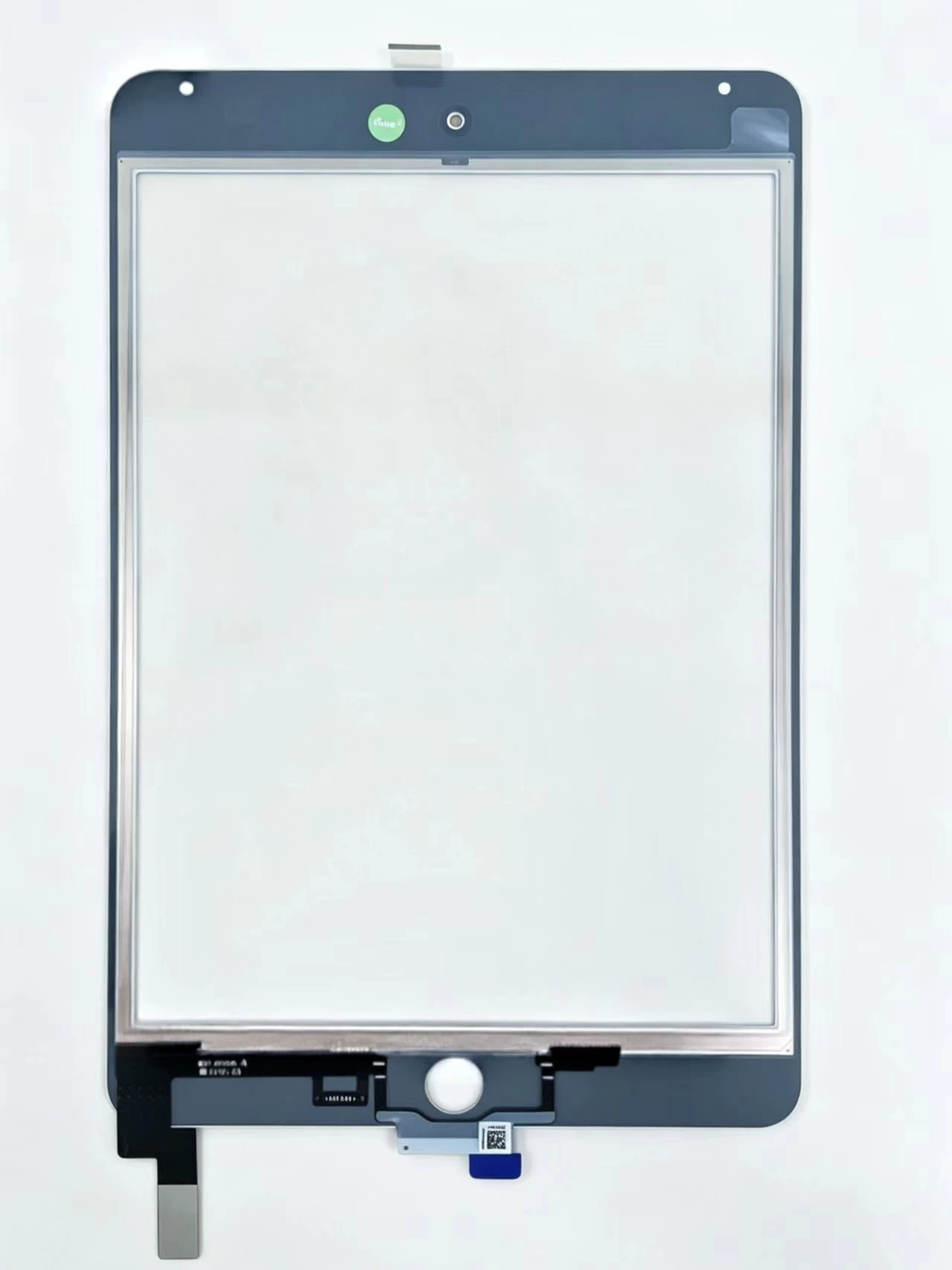
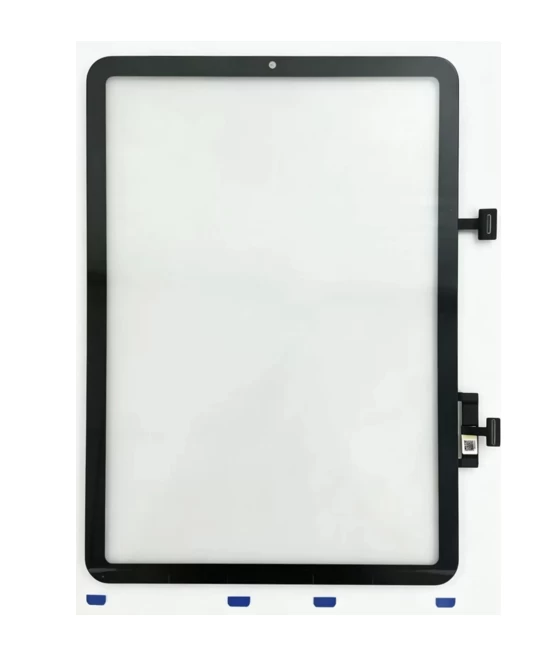
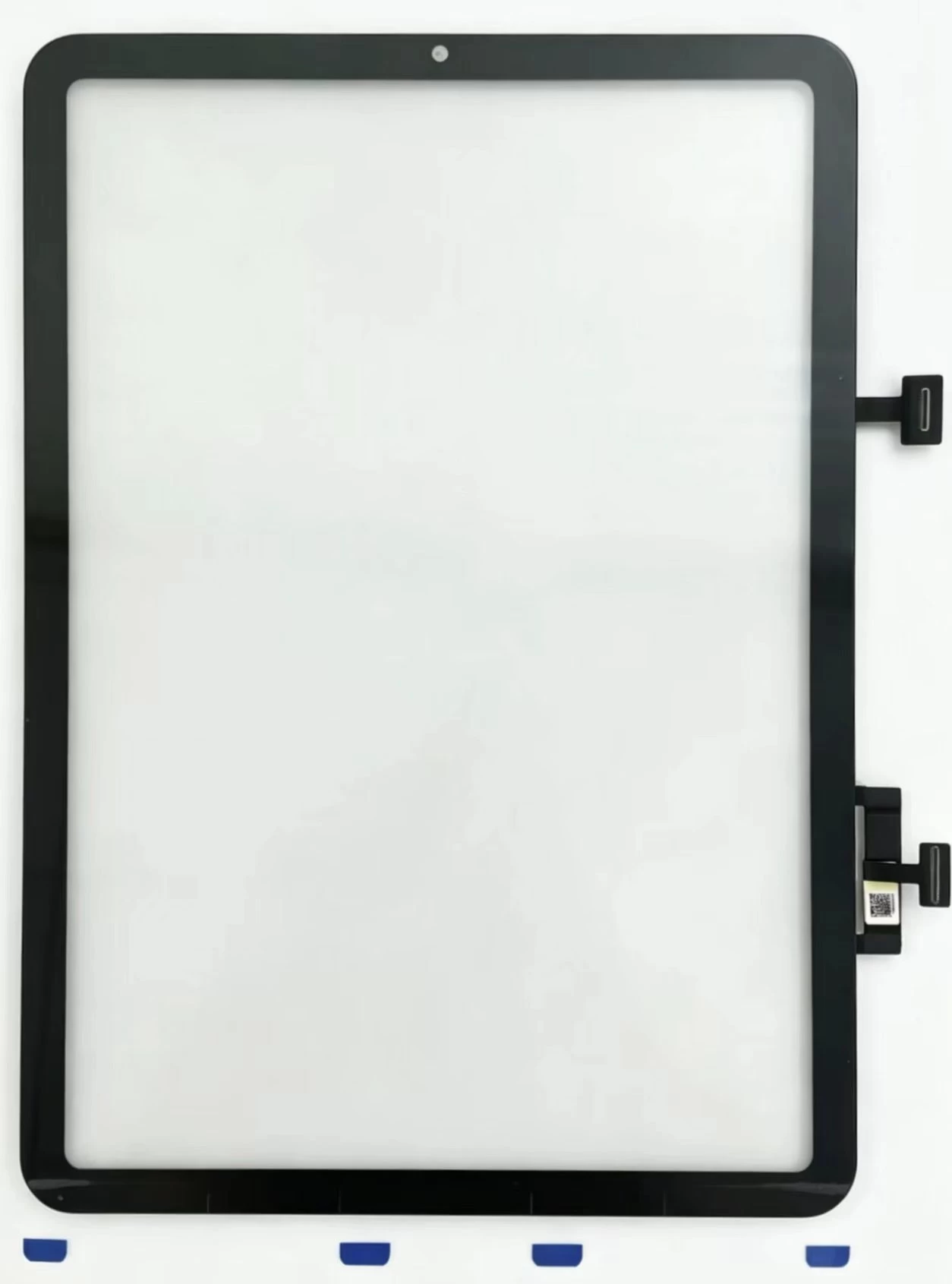
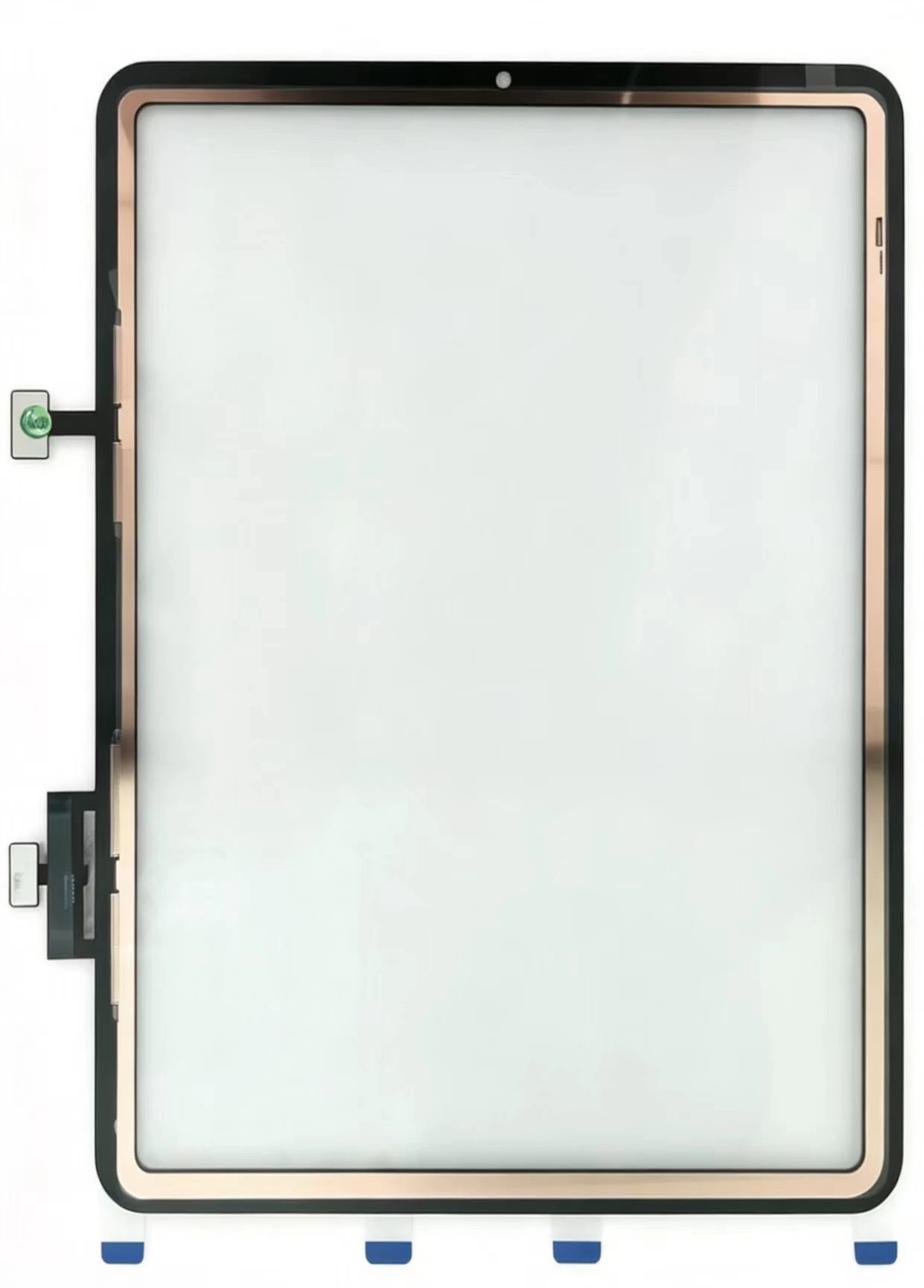
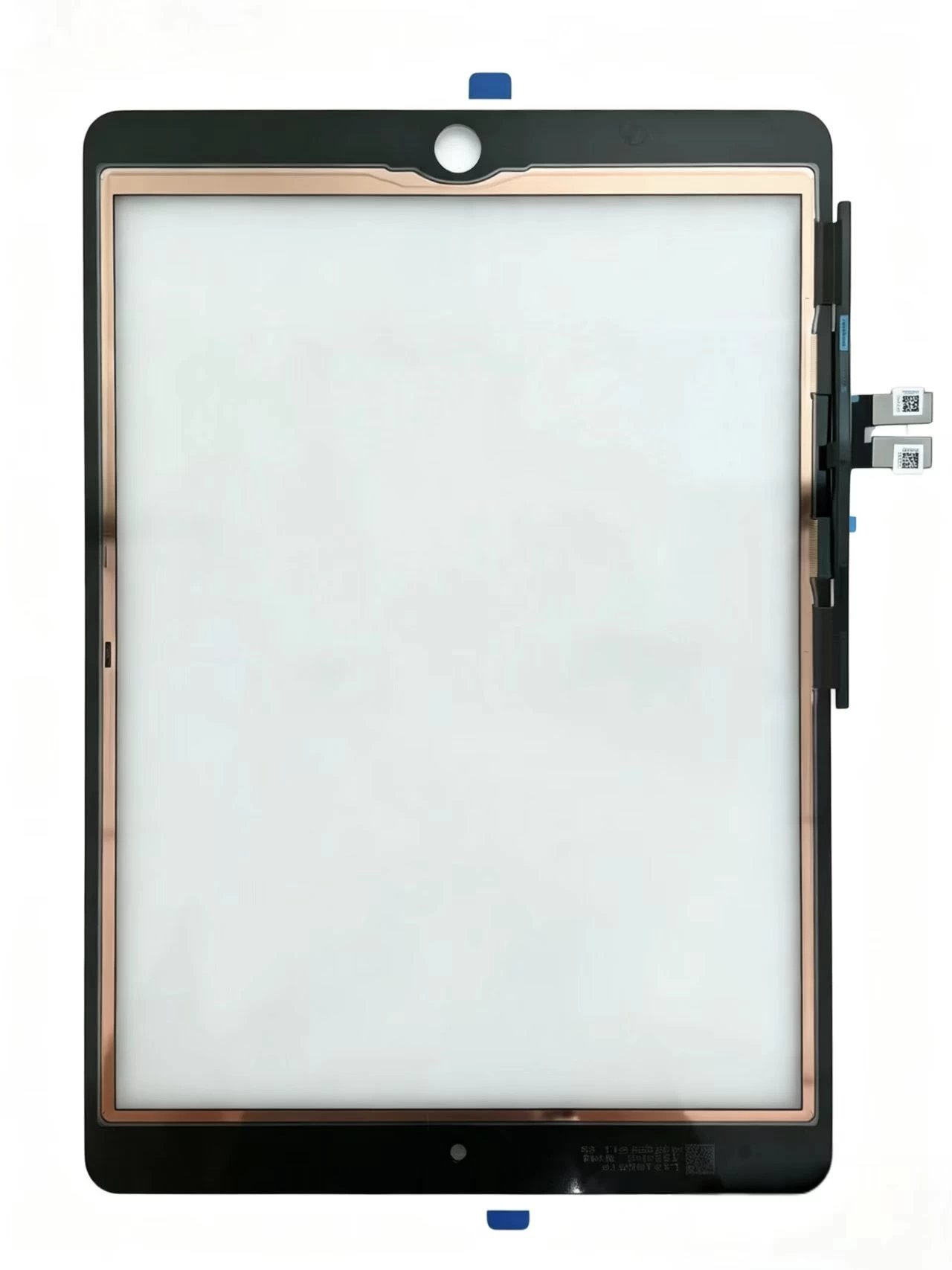
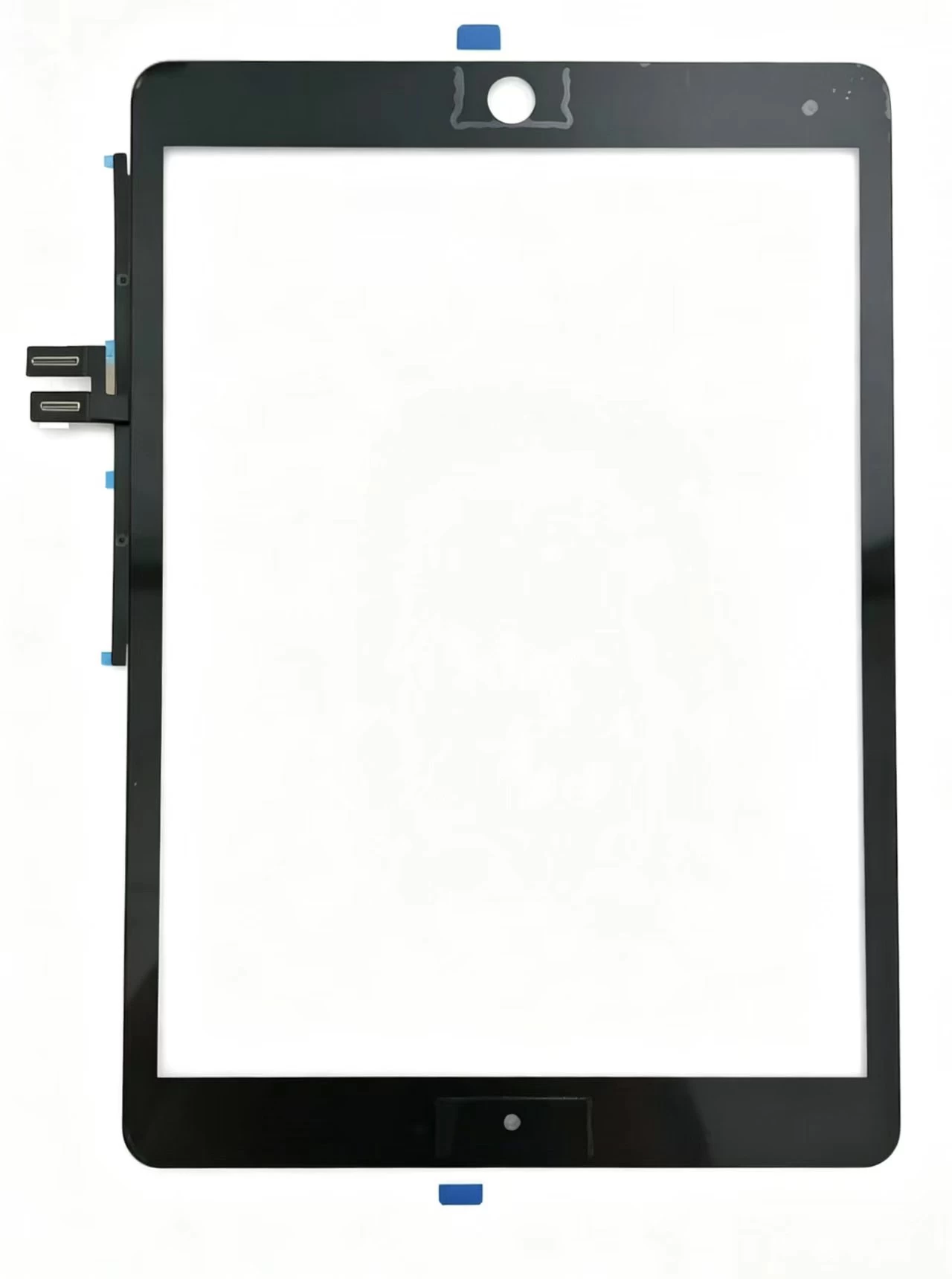
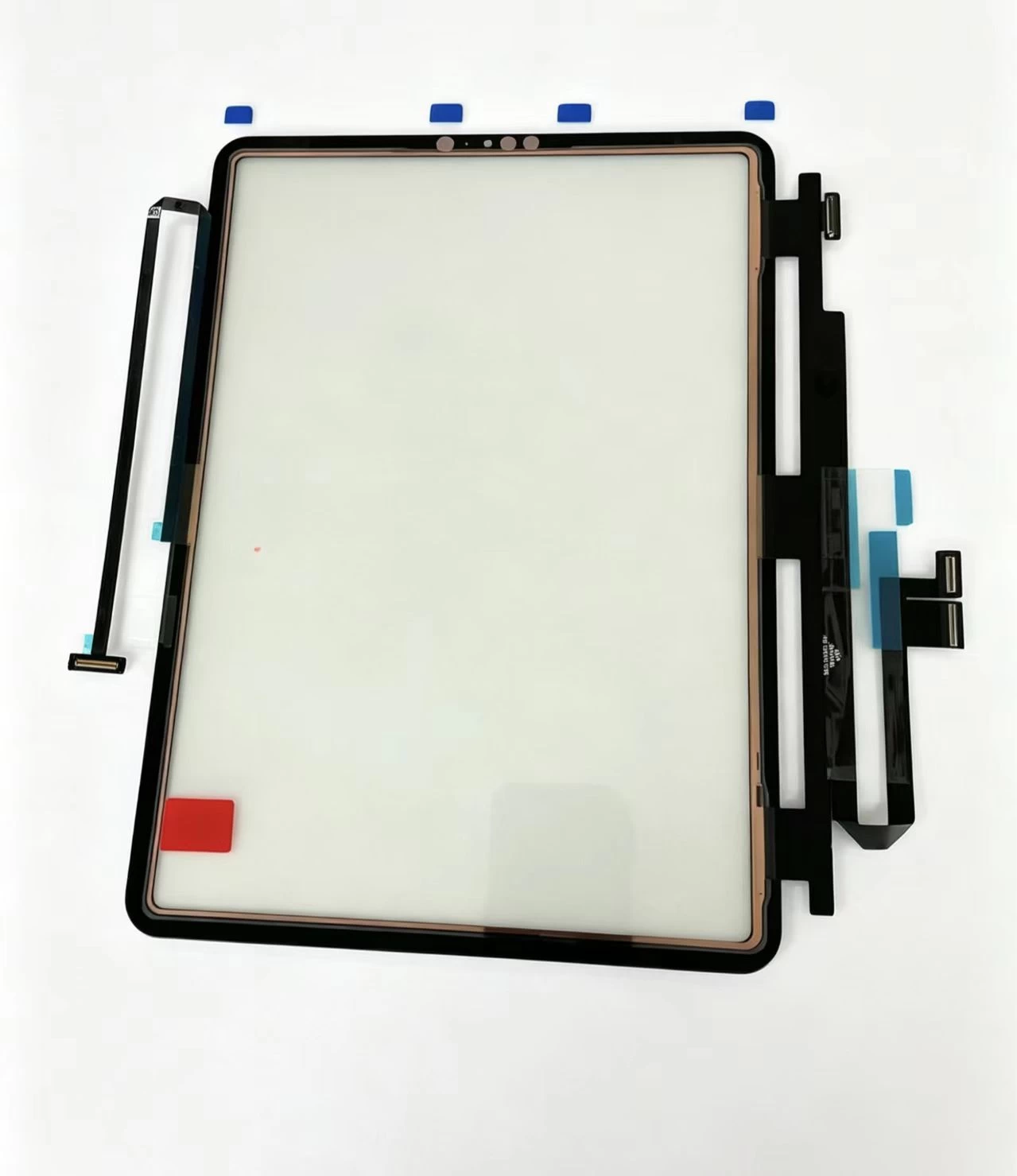
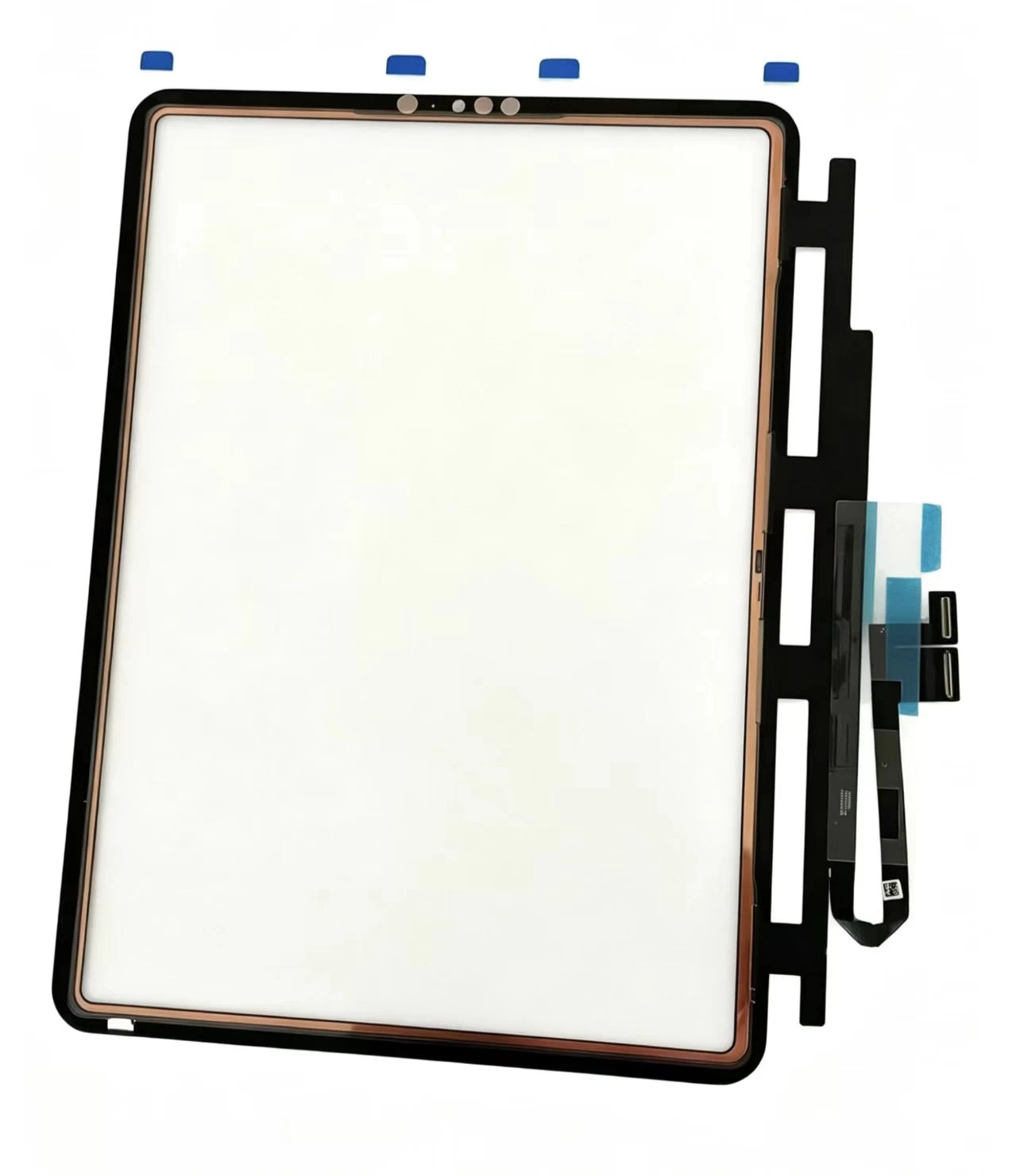
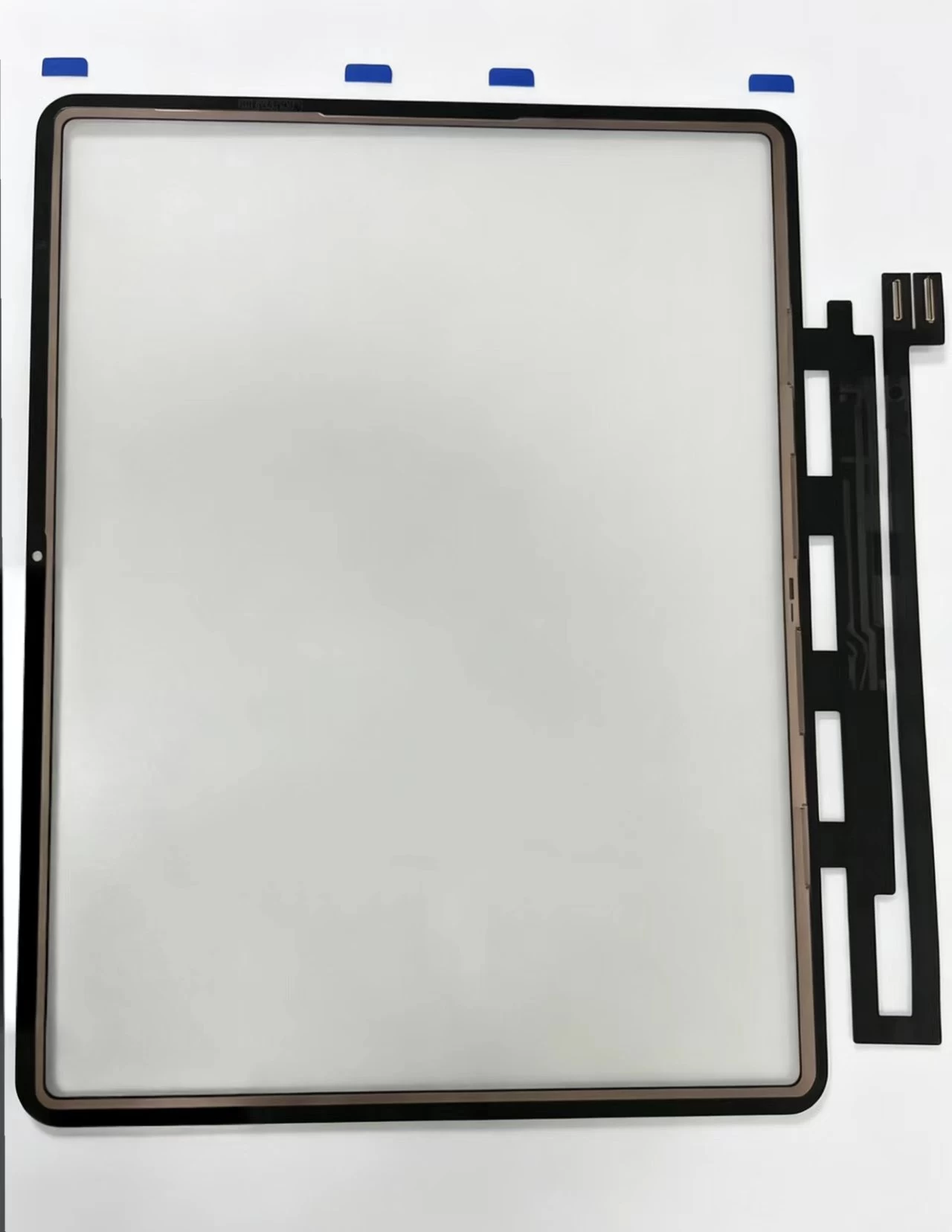
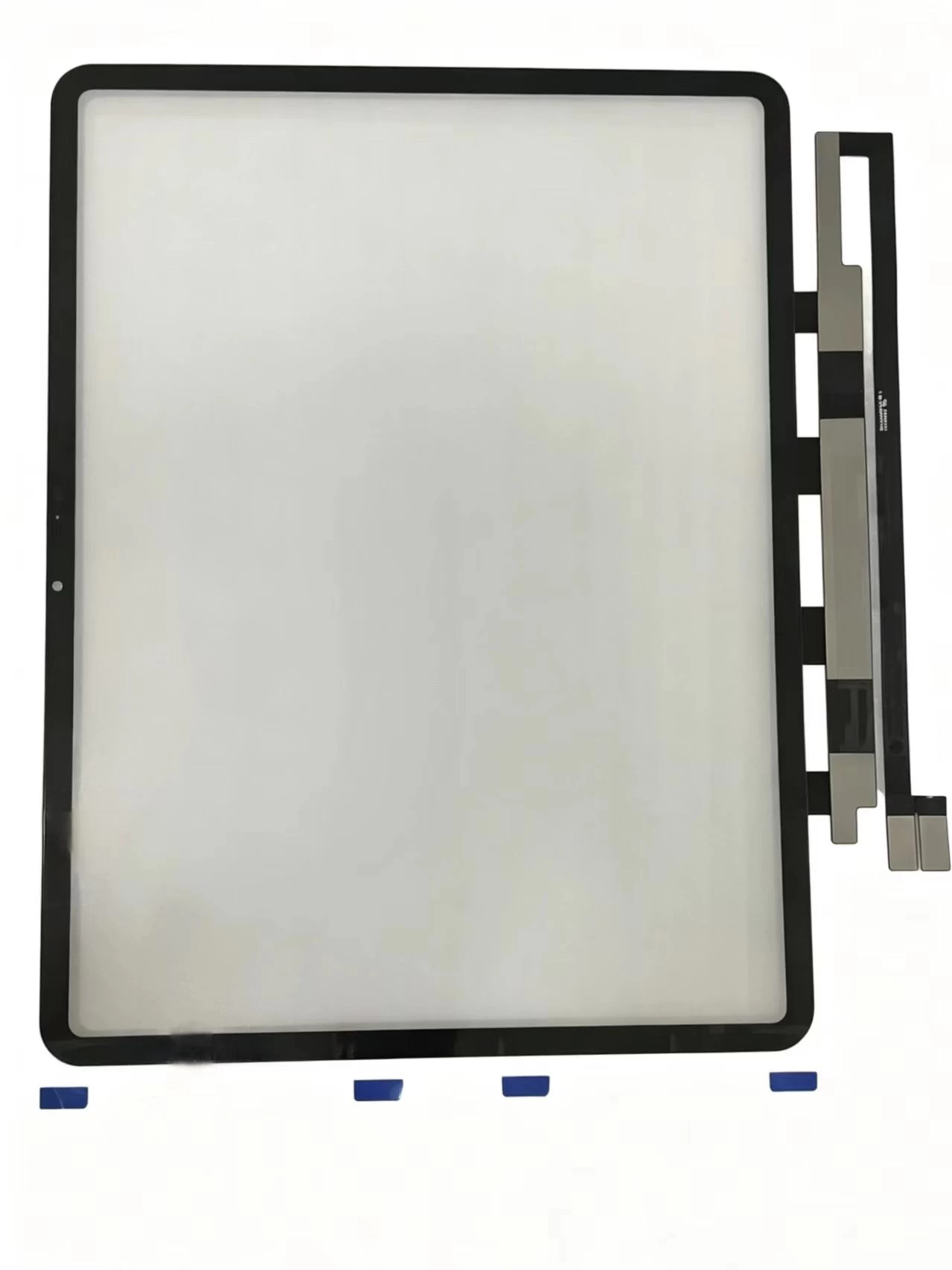
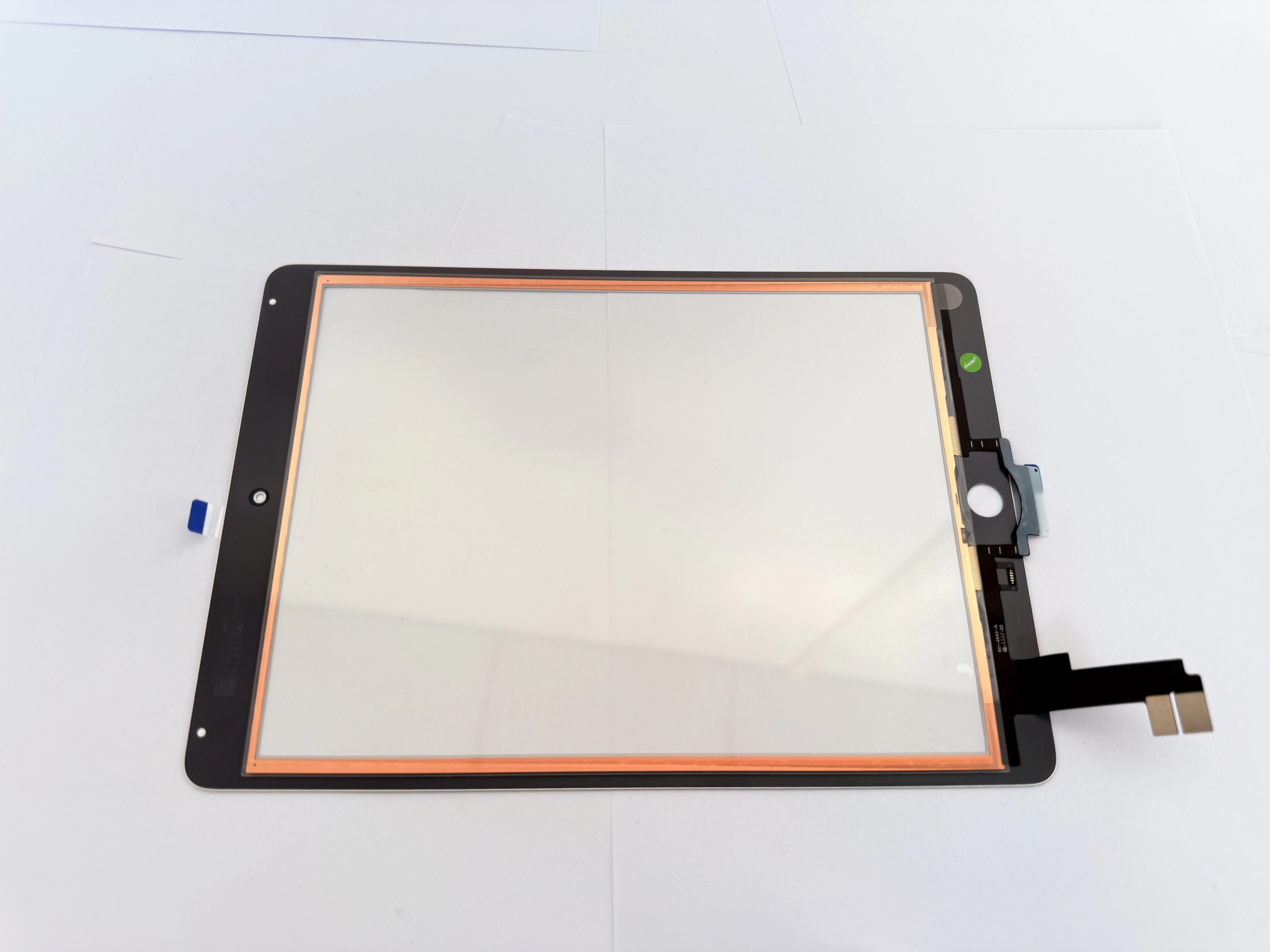
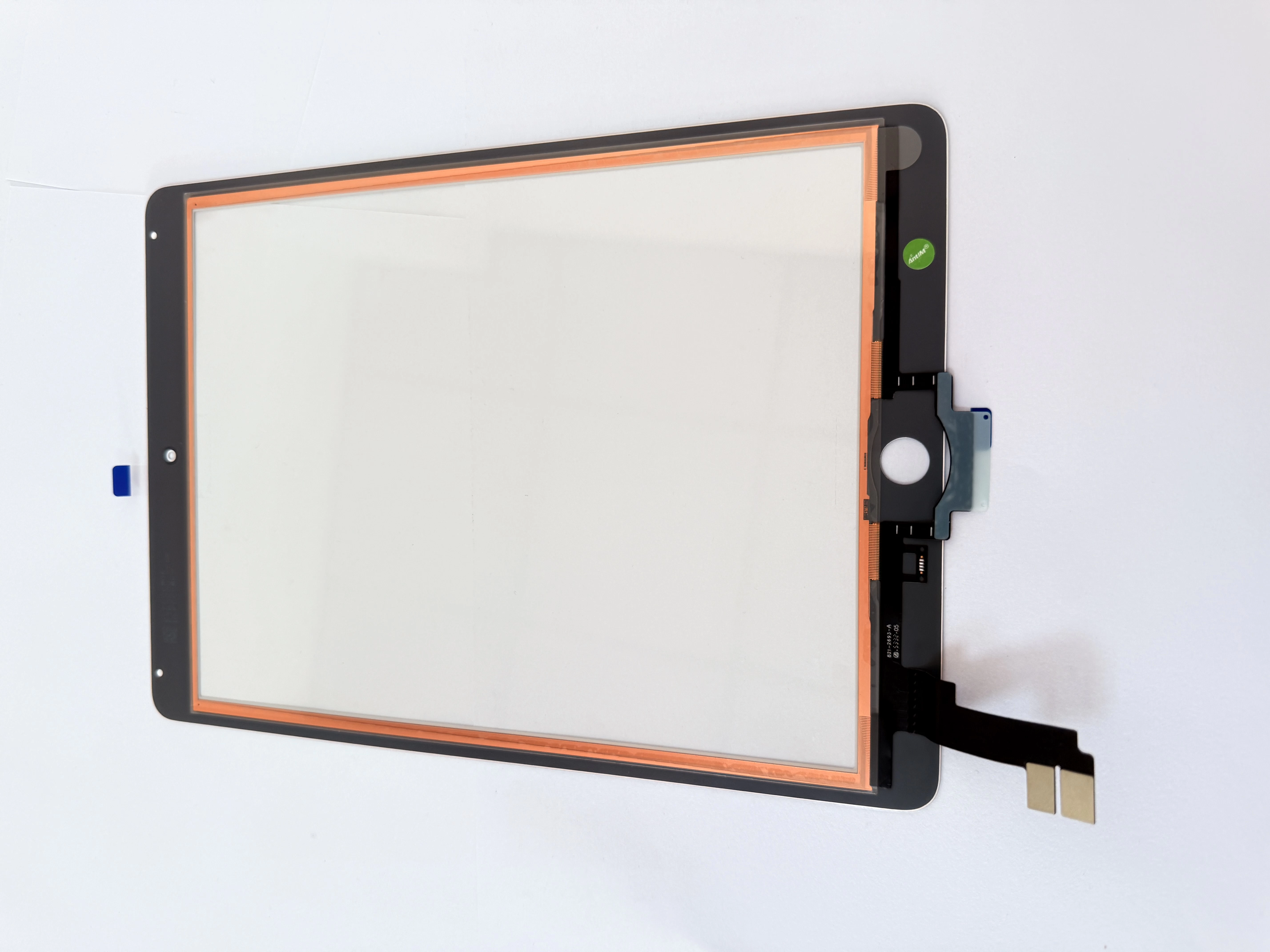
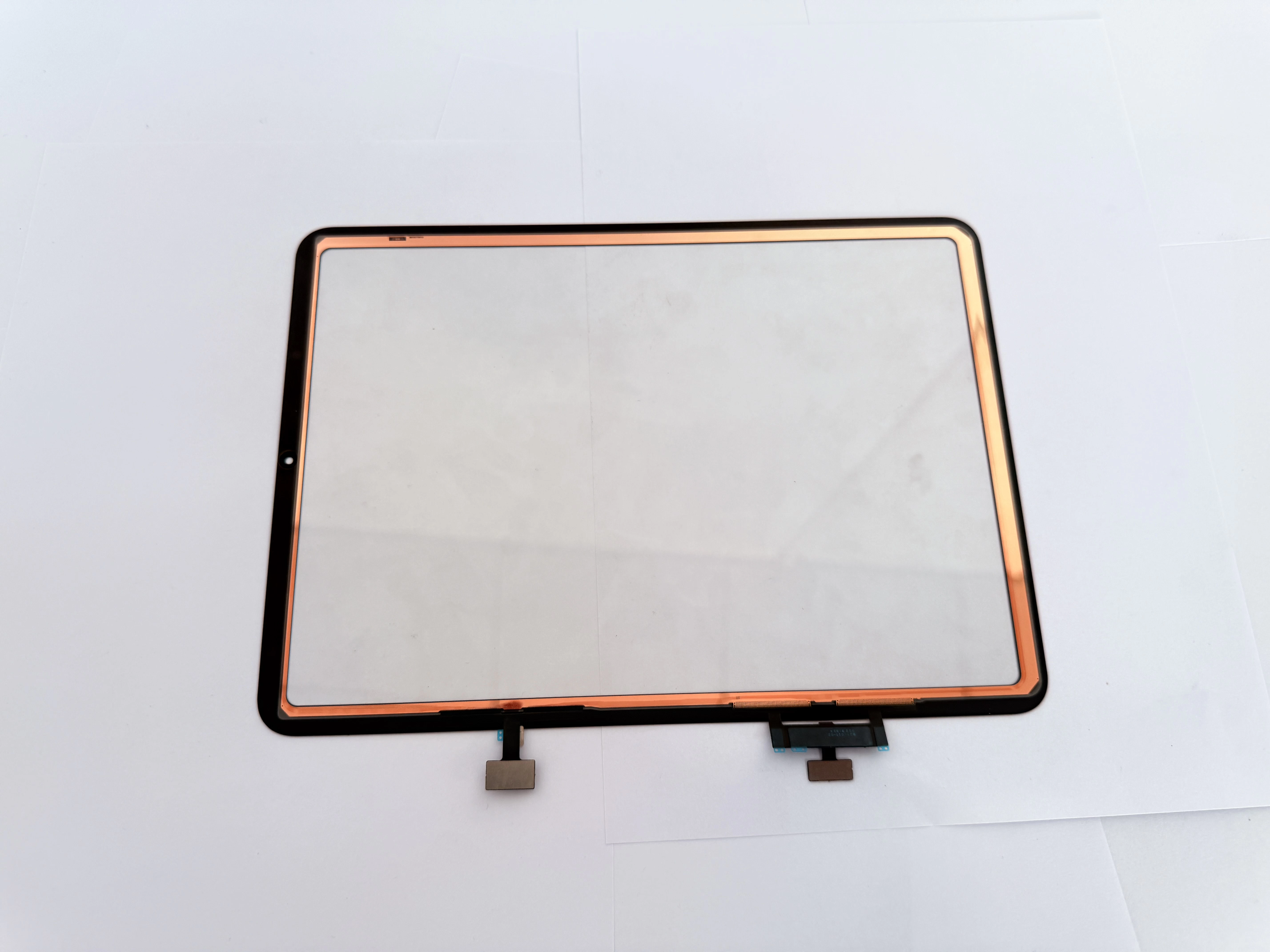
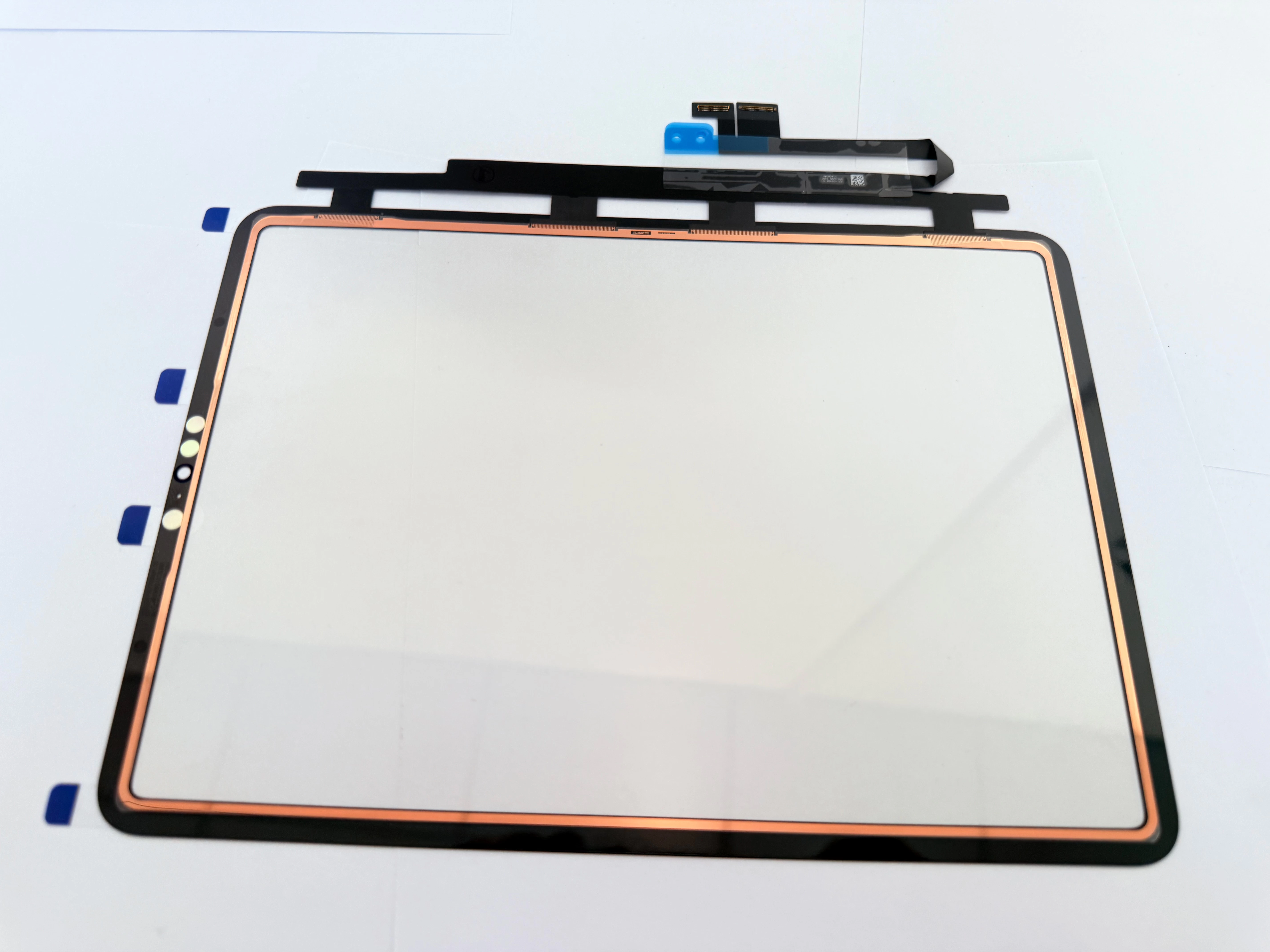
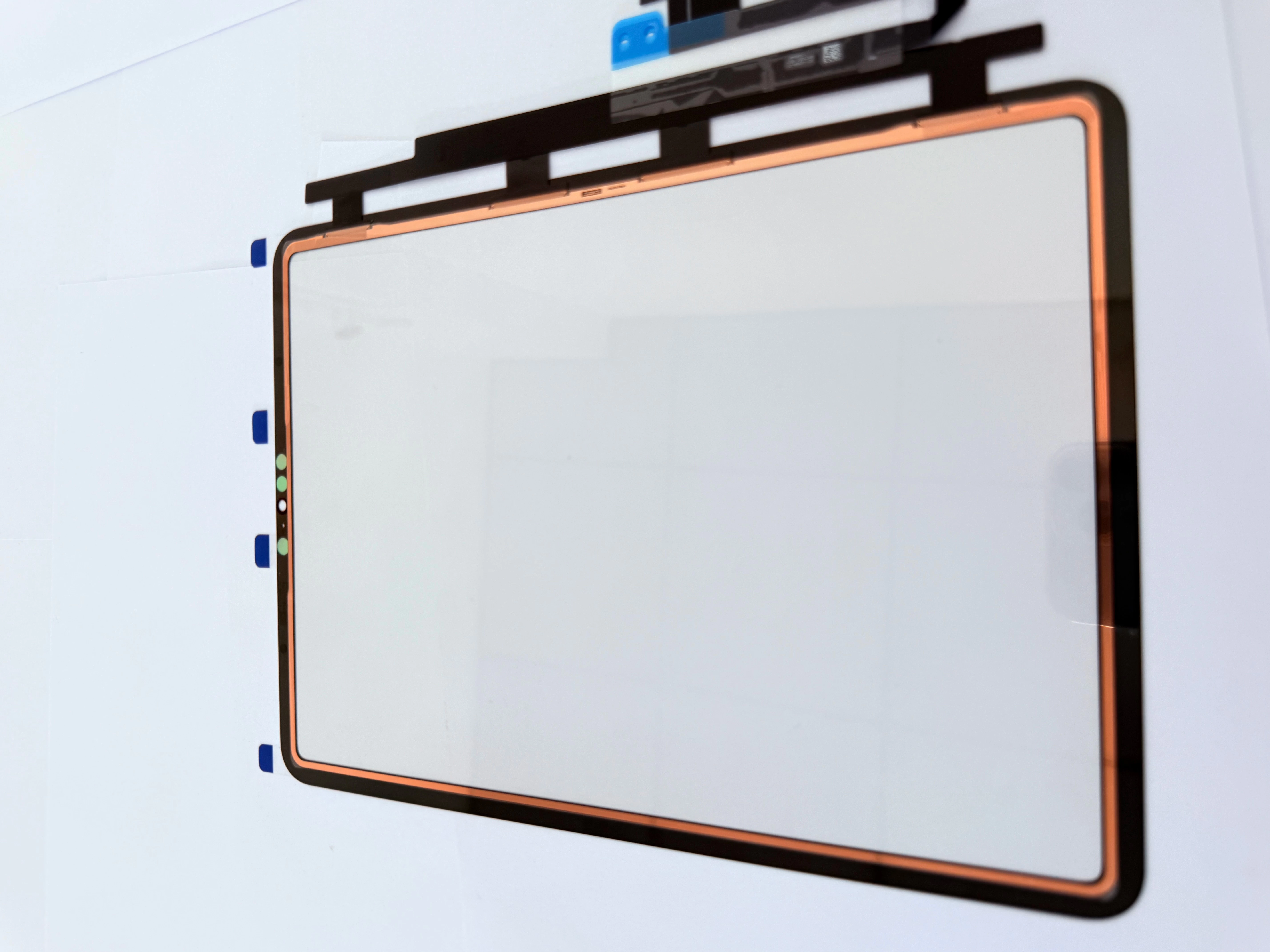
For example, repair shops often need parts for models such as iPad 7th/8th/9th Gen 10.2", iPad Air series, iPad Mini series, and iPad Pro series. A professional supplier should clearly list compatible model numbers, screen size, generation, color options, and special versions such as copper foil or pre-installed adhesive designs.
Before placing a bulk order, always confirm:
- Compatible model number
- Screen size and generation
- Touch glass color
- Flex cable version
- Adhesive or copper foil option
- Packaging method
- Testing requirements before shipment
This reduces the risk of ordering the wrong parts and improves repair efficiency.
2. Pay Attention to Touch Sensitivity and Stability
For end users, the most important experience after repair is whether the screen responds smoothly. A good replacement touch screen should support accurate touch response, stable sensitivity, and consistent performance across the full screen area.
Poor-quality digitizers may show problems such as ghost touch, dead zones, delayed response, unstable connection, or failure after short-term use. These issues can directly affect customer satisfaction and increase after-sales costs.
When choosing a supplier, ask whether the products go through functional testing before shipment. A reliable supplier should have a quality control process that checks touch response, appearance, connector condition, flex cable integrity, and packaging protection.
3. Choose a Supplier with OEM/ODM Capability
For wholesalers and brand owners, OEM/ODM support can be a major advantage. It allows buyers to customize product packaging, labels, specifications, and sometimes display solutions according to their market needs.
OEM/ODM capability is especially useful for:
- Repair chain stores
- Regional distributors
- E-commerce sellers
- Private label brands
- Commercial display solution providers
- Long-term B2B customers
A supplier with design, production, customization, and sales capability can support more flexible cooperation than a simple trading company. This is important when your business grows and your product requirements become more specific.
4. Evaluate Production and Quality Control Capacity
Stable supply depends on more than inventory. It depends on whether the supplier has professional production lines, experienced teams, technical equipment, and a quality management system.
For bulk buyers, quality consistency is critical. One good sample does not always mean every batch will be stable. Before cooperation, it is better to ask about:
- Production capacity
- Batch testing process
- Defective rate control
- Packaging standards
- Sample testing policy
- After-sales replacement policy
- Export documentation support
A professional supplier should be able to support both small test orders and long-term bulk orders.
5. Consider Export Experience and Logistics Support
For international buyers, export experience matters. A supplier familiar with global markets can better handle trade terms, packaging, customs documents, and shipping arrangements.
Before confirming an order, discuss:
- Incoterms
- Lead time
- Payment terms
- Shipping method
- Customs clearance documents
- Product packaging protection
- After-sales communication process
Clear communication before production helps avoid misunderstandings after shipment.
6. Do Not Choose Based on Price Alone
Price is important, but it should not be the only factor. In the repair parts business, very low prices may come with hidden risks: unstable quality, weak packaging, poor after-sales support, or inconsistent batches.
A better approach is to compare the total business cost. This includes product price, defective rate, customer complaints, replacement cost, communication efficiency, and delivery stability.
A slightly higher-quality iPad touch screen may help repair shops reduce rework and improve customer trust. For wholesalers, stable quality also protects long-term reputation.
7. Build Long-Term Cooperation with the Right Supplier
The best supplier relationship is not a one-time transaction. It is a long-term cooperation based on stable products, clear communication, reliable delivery, and continuous support.
A strong iPad touch screen supplier should be able to provide:
- Multiple iPad model options
- Stable digitizer quality
- OEM/ODM customization
- Professional QC inspection
- Export cooperation support
- Responsive after-sales service
- Long-term product availability
For repair shops, wholesalers, and electronics distributors, choosing the right supplier means building a more reliable business foundation.
Conclusion
A reliable iPad touch screen supplier should offer more than replacement parts. They should provide accurate model compatibility, stable product performance, strict quality control, OEM/ODM support, export experience, and professional after-sales service.
By evaluating these factors carefully, repair businesses and wholesalers can reduce risk, improve customer satisfaction, and build stronger long-term competitiveness in the tablet repair parts market.
Call to Action:
Looking for iPad touch screen digitizers, screen assemblies, or customized display solutions? Contact Ant Smart Manufacturing to discuss your product requirements, quantity, customization needs, and export cooperation plan.