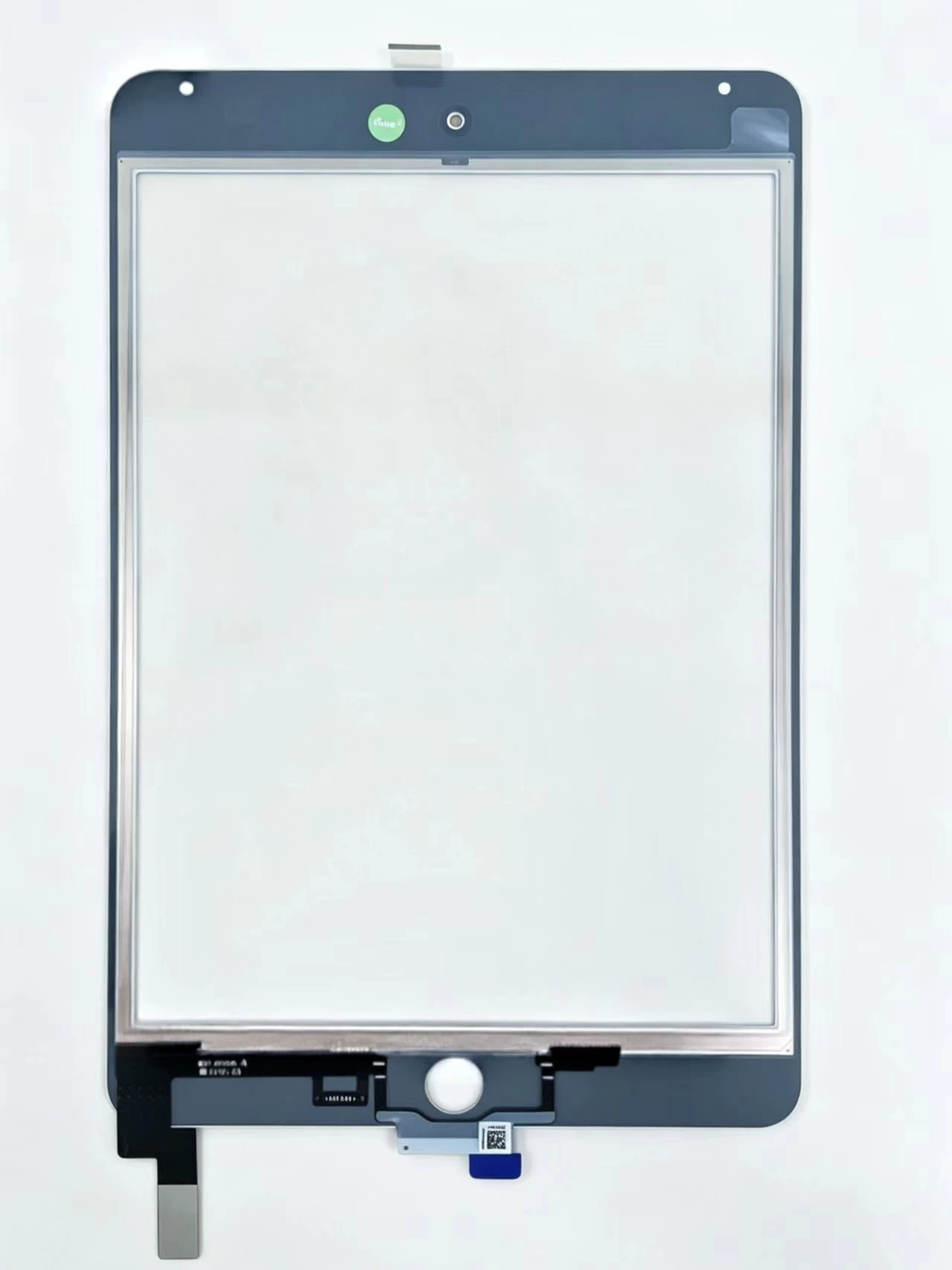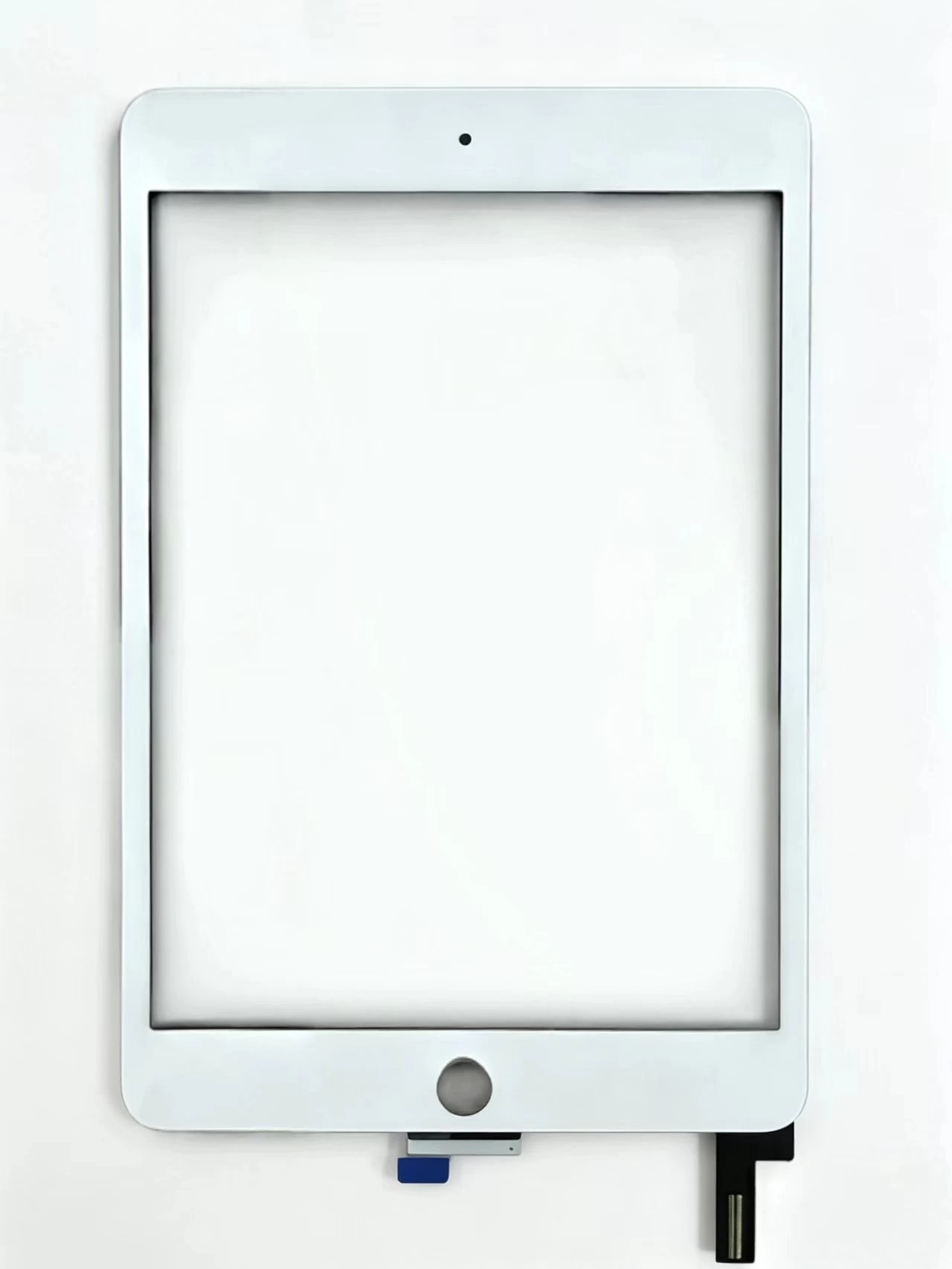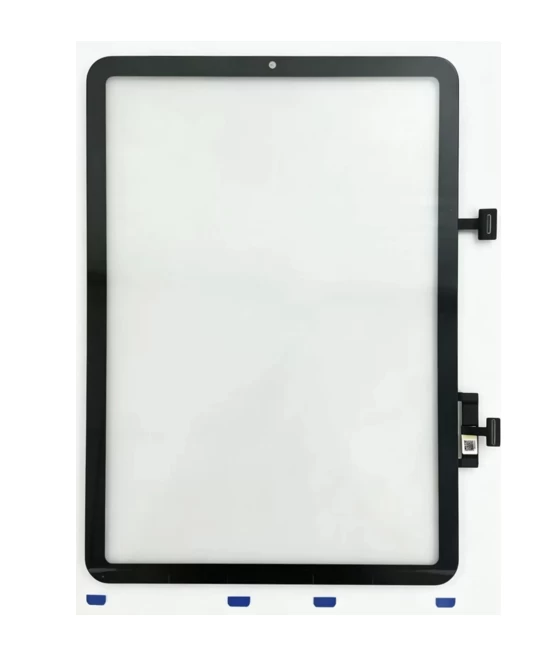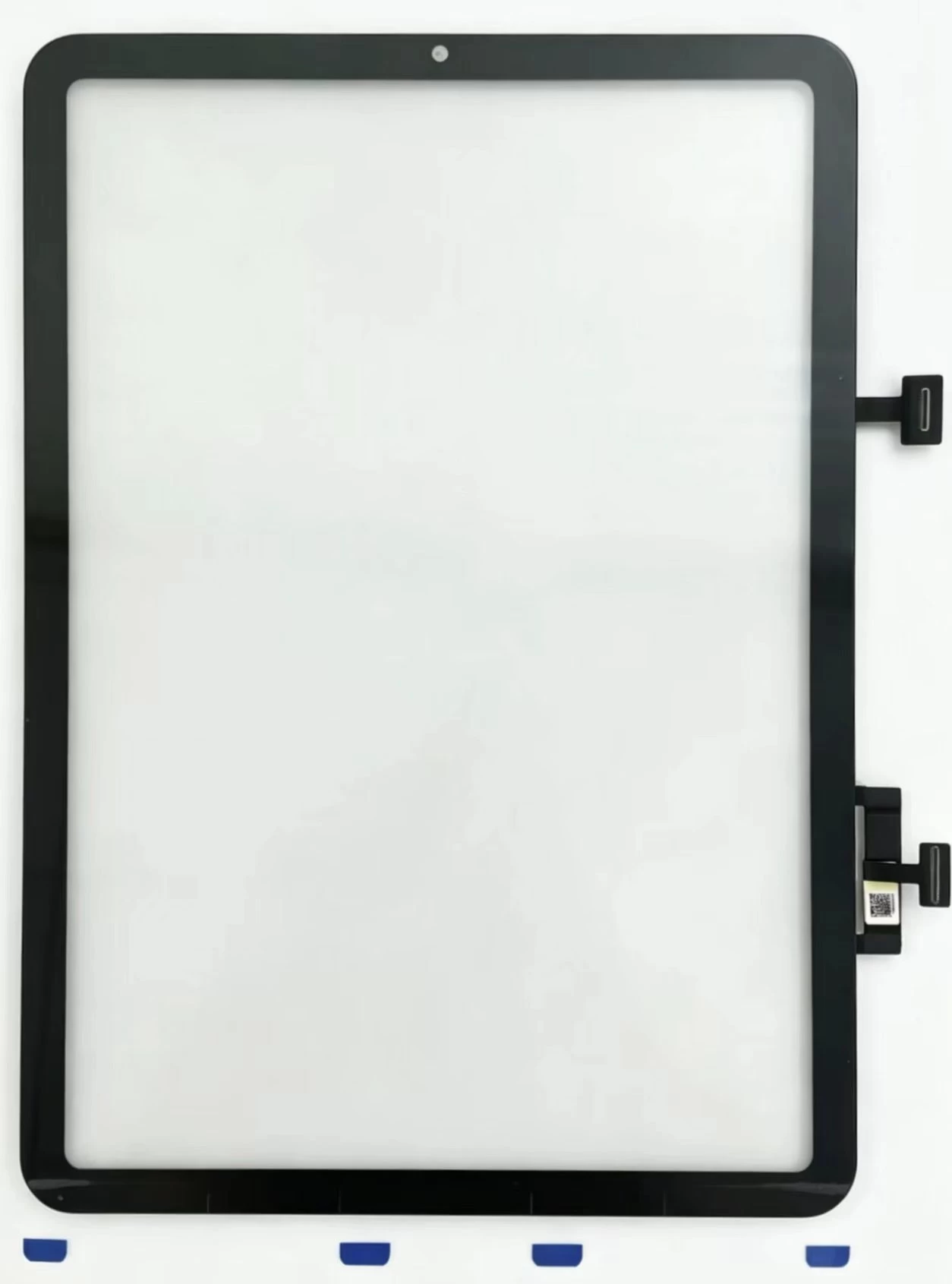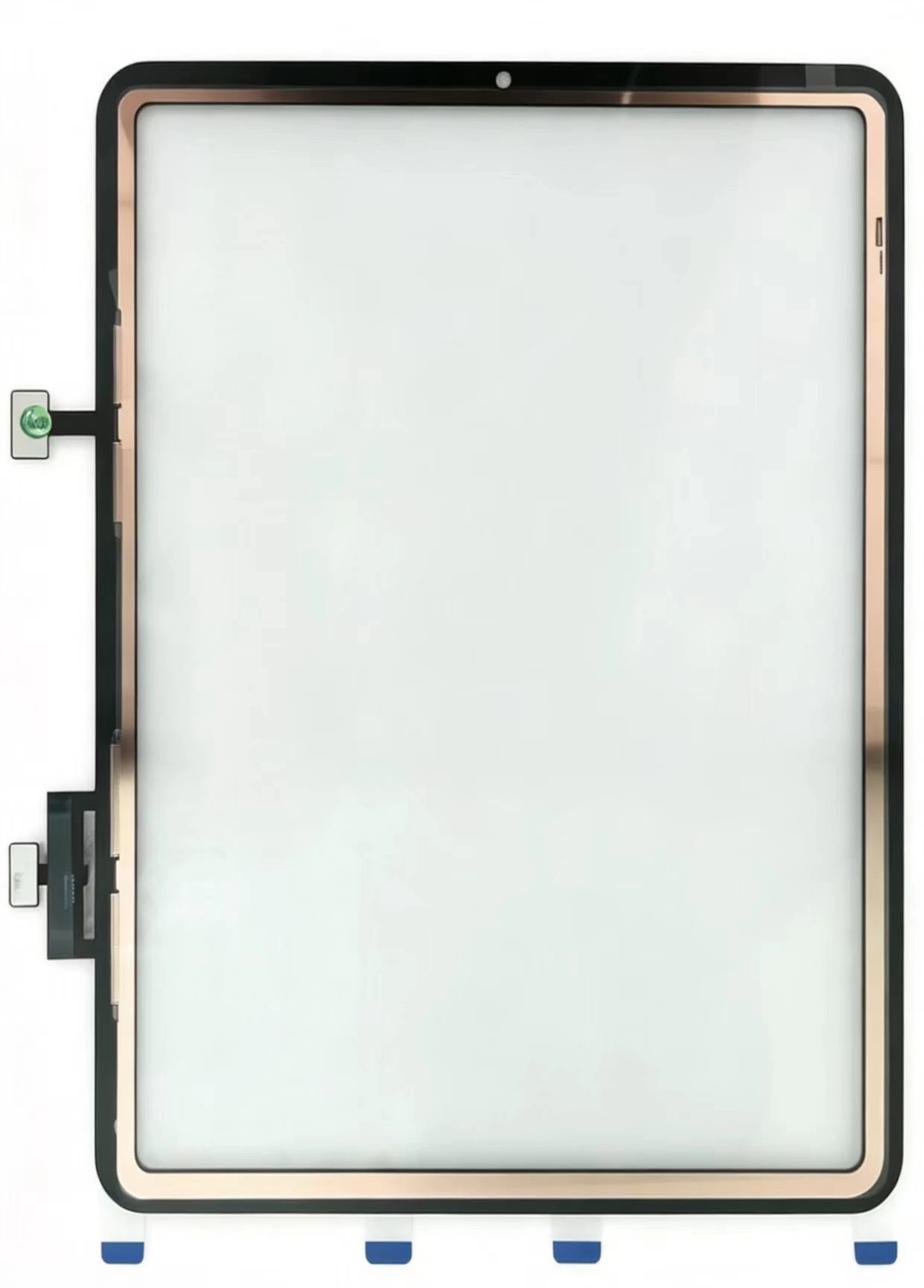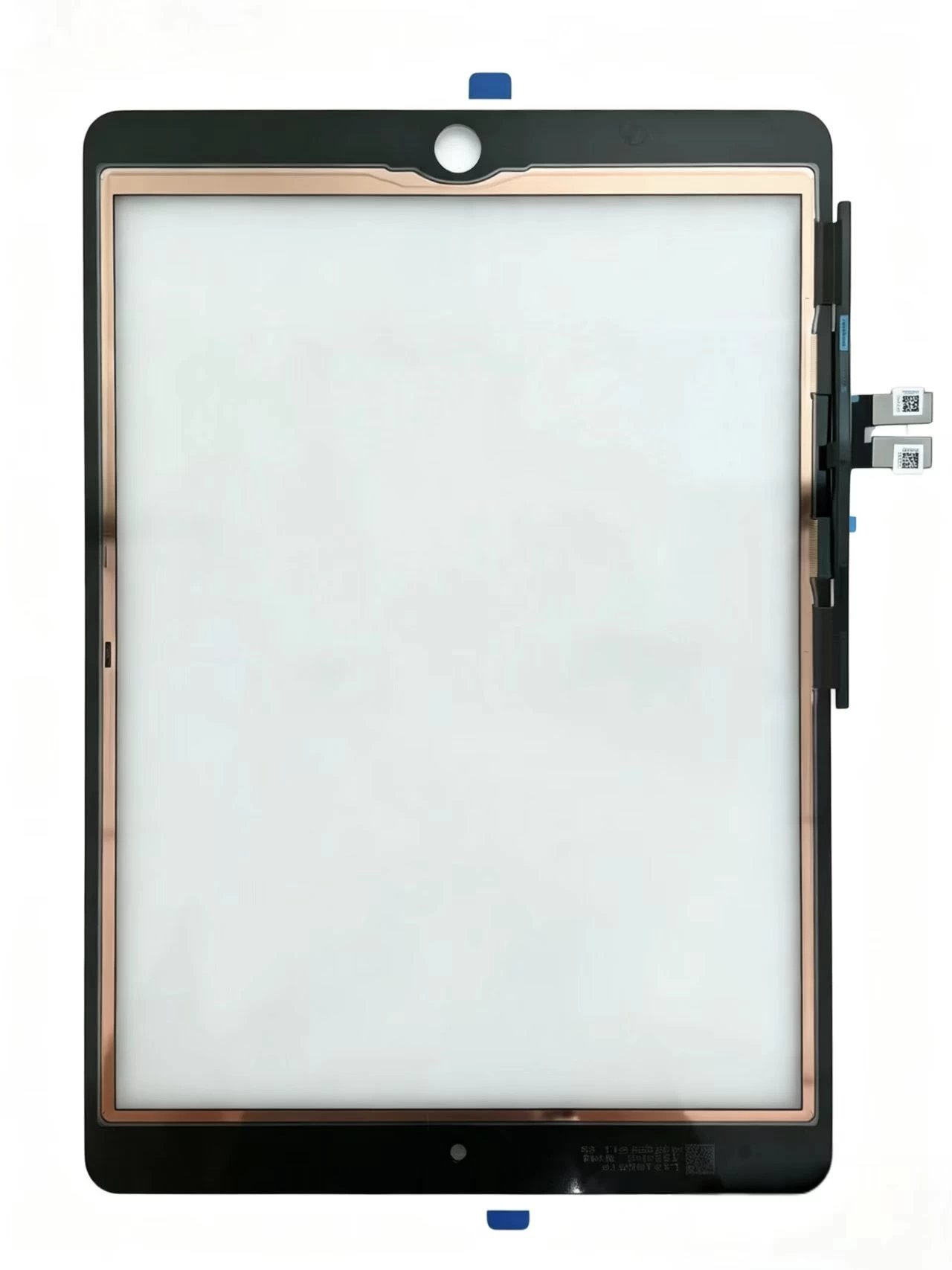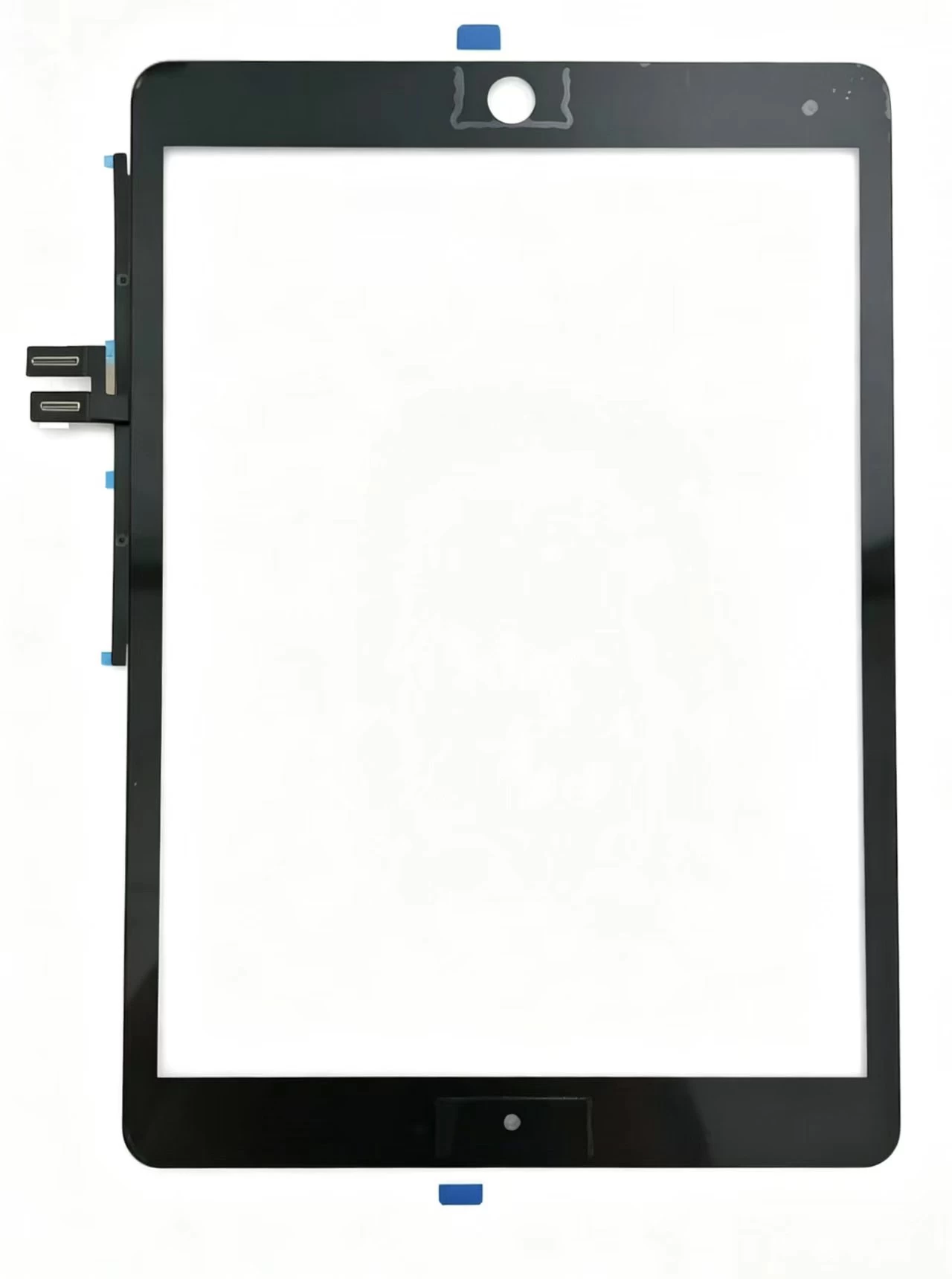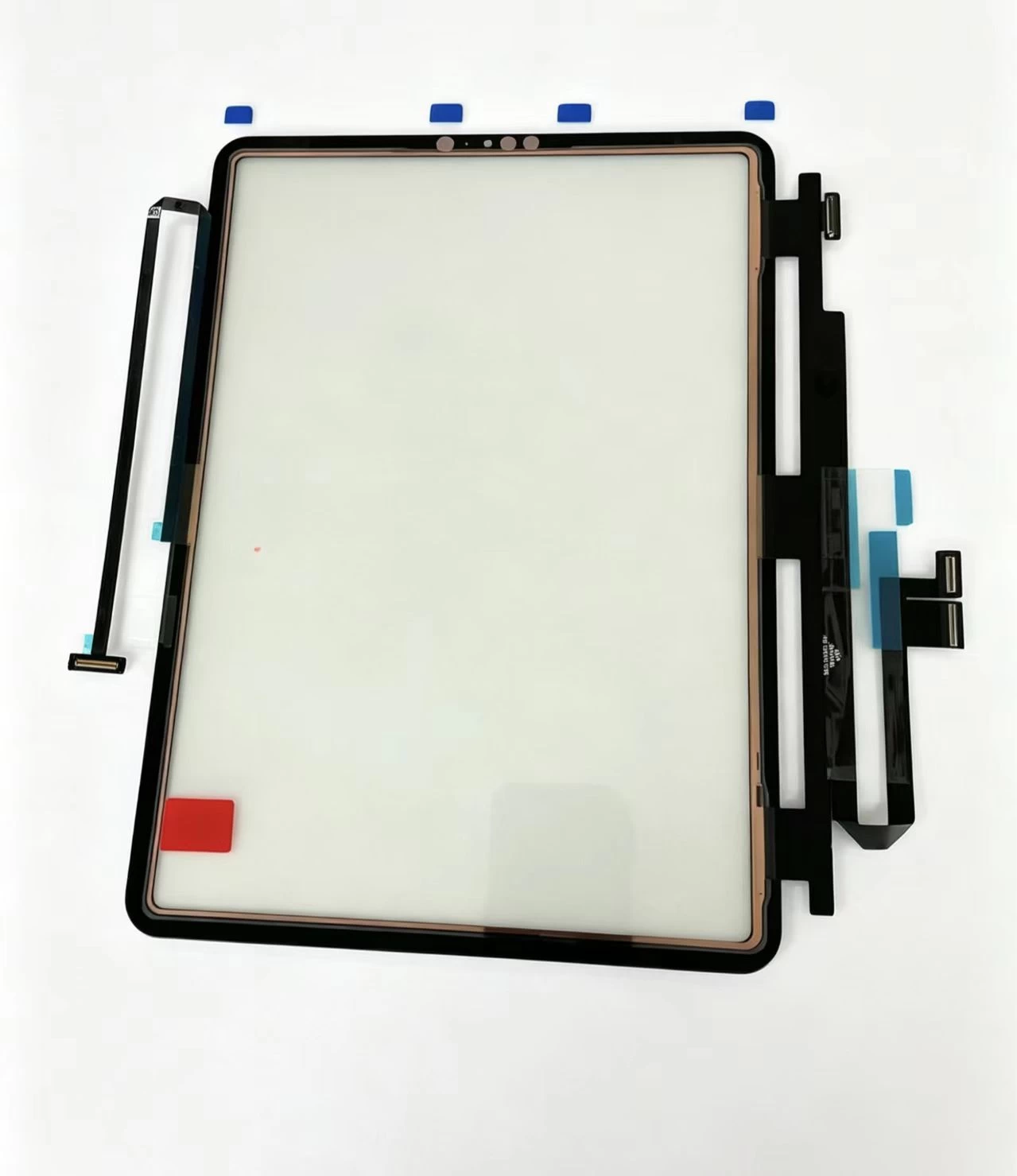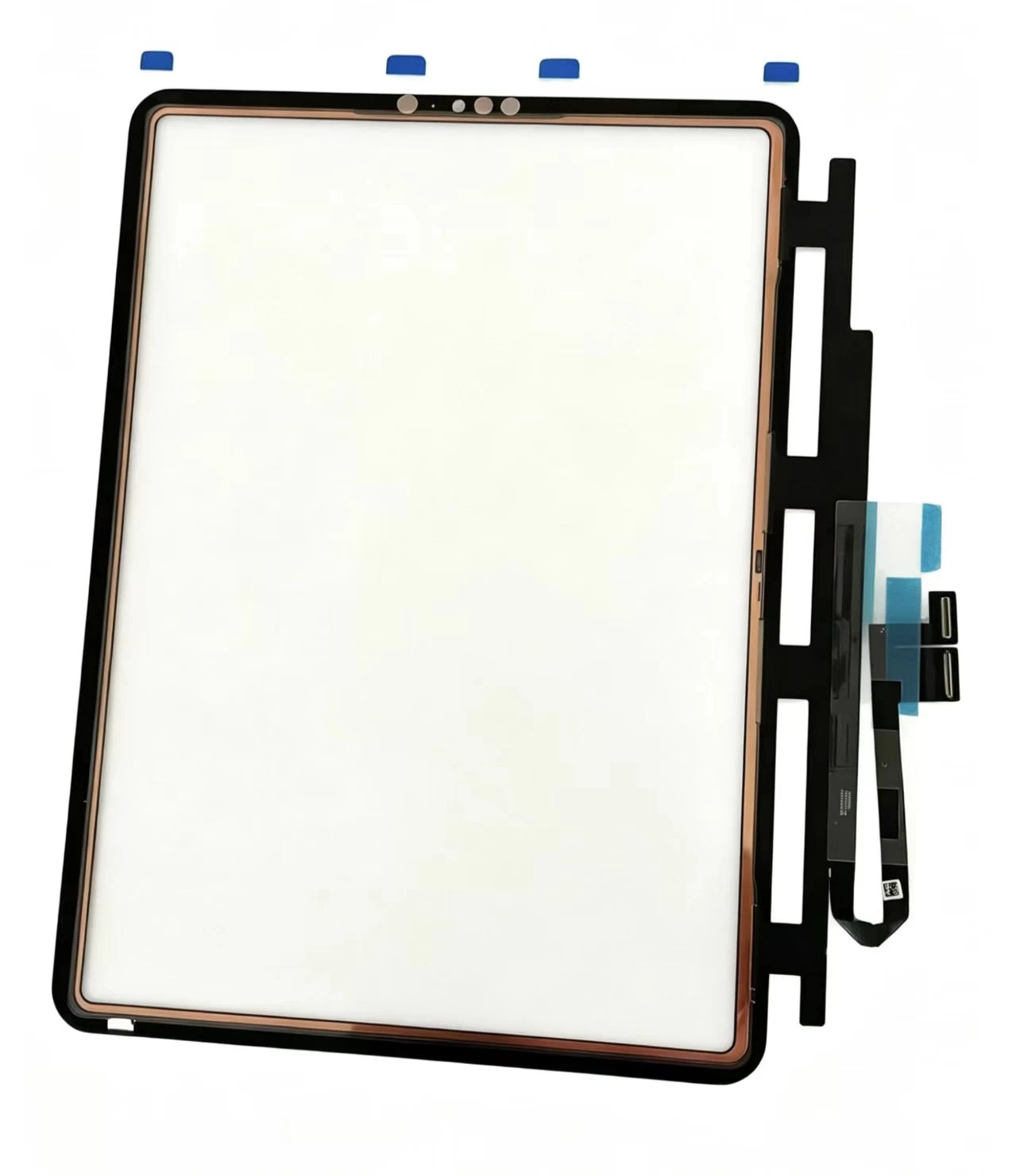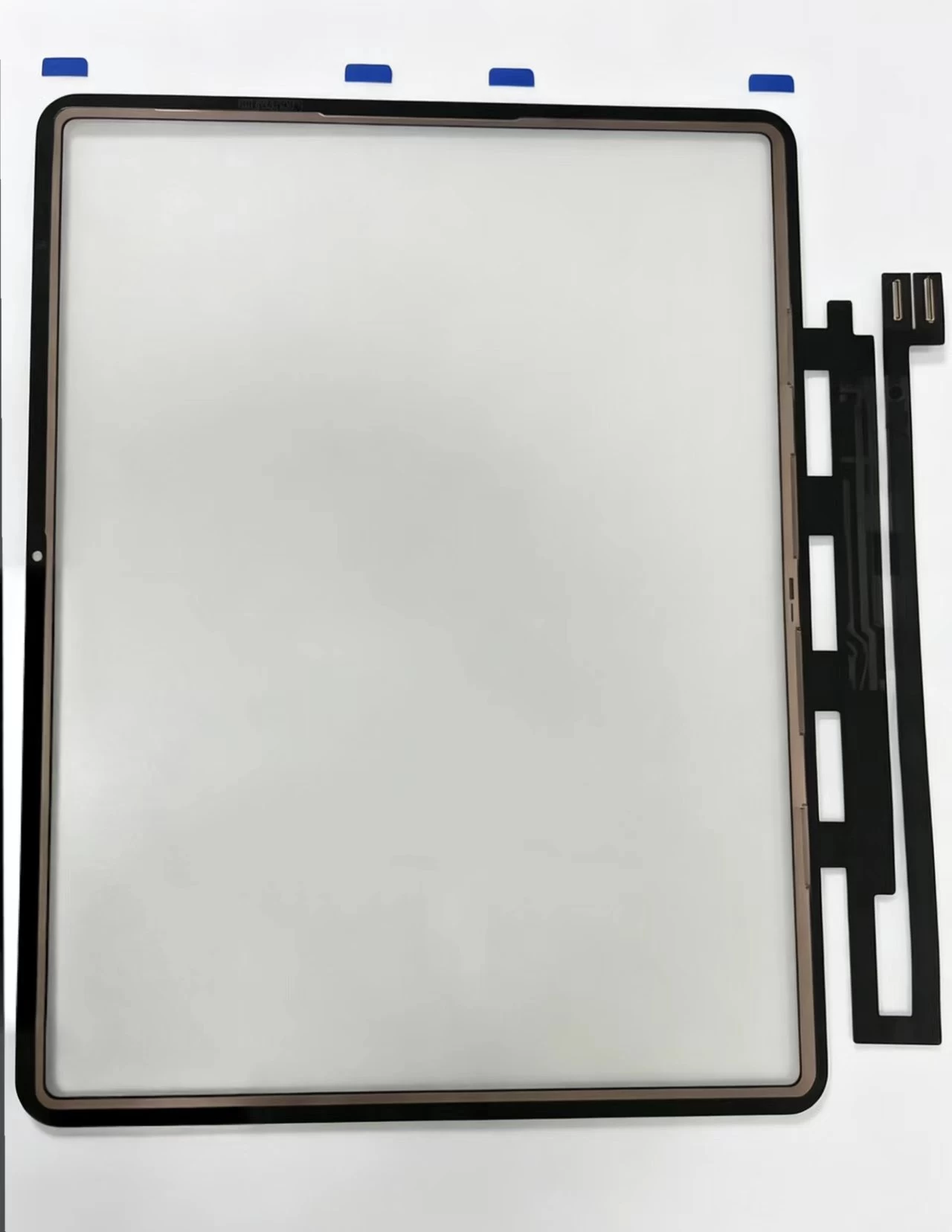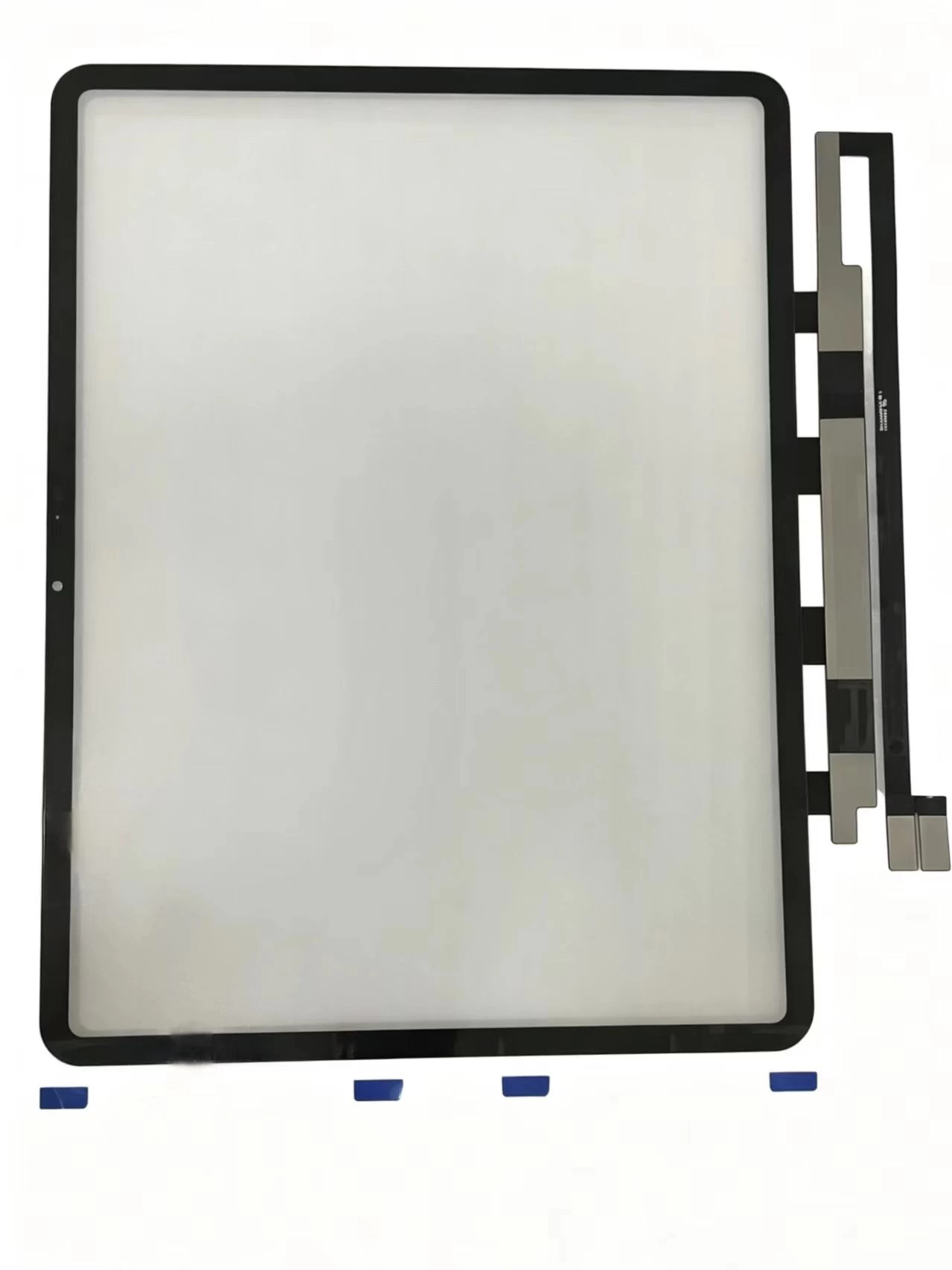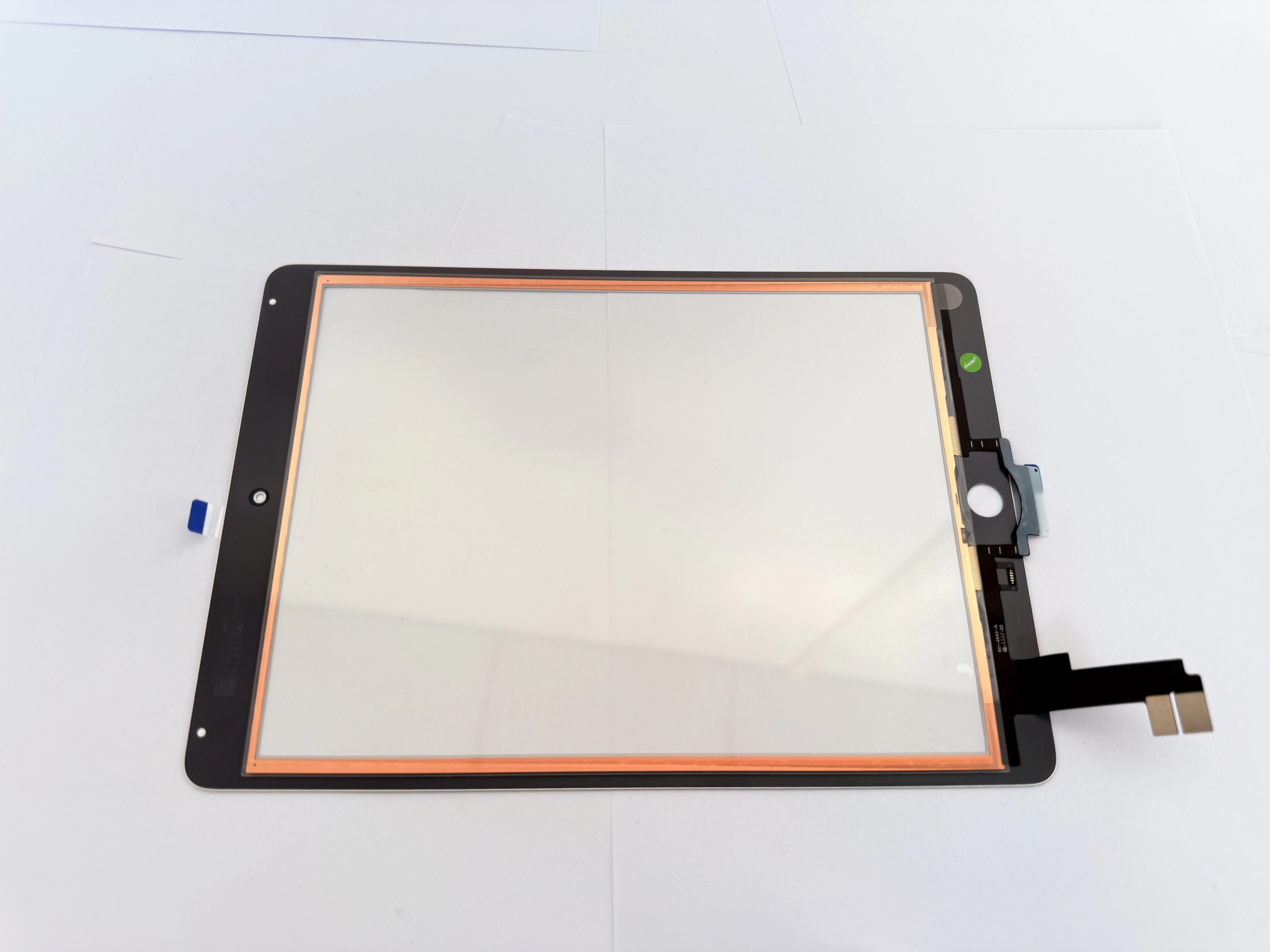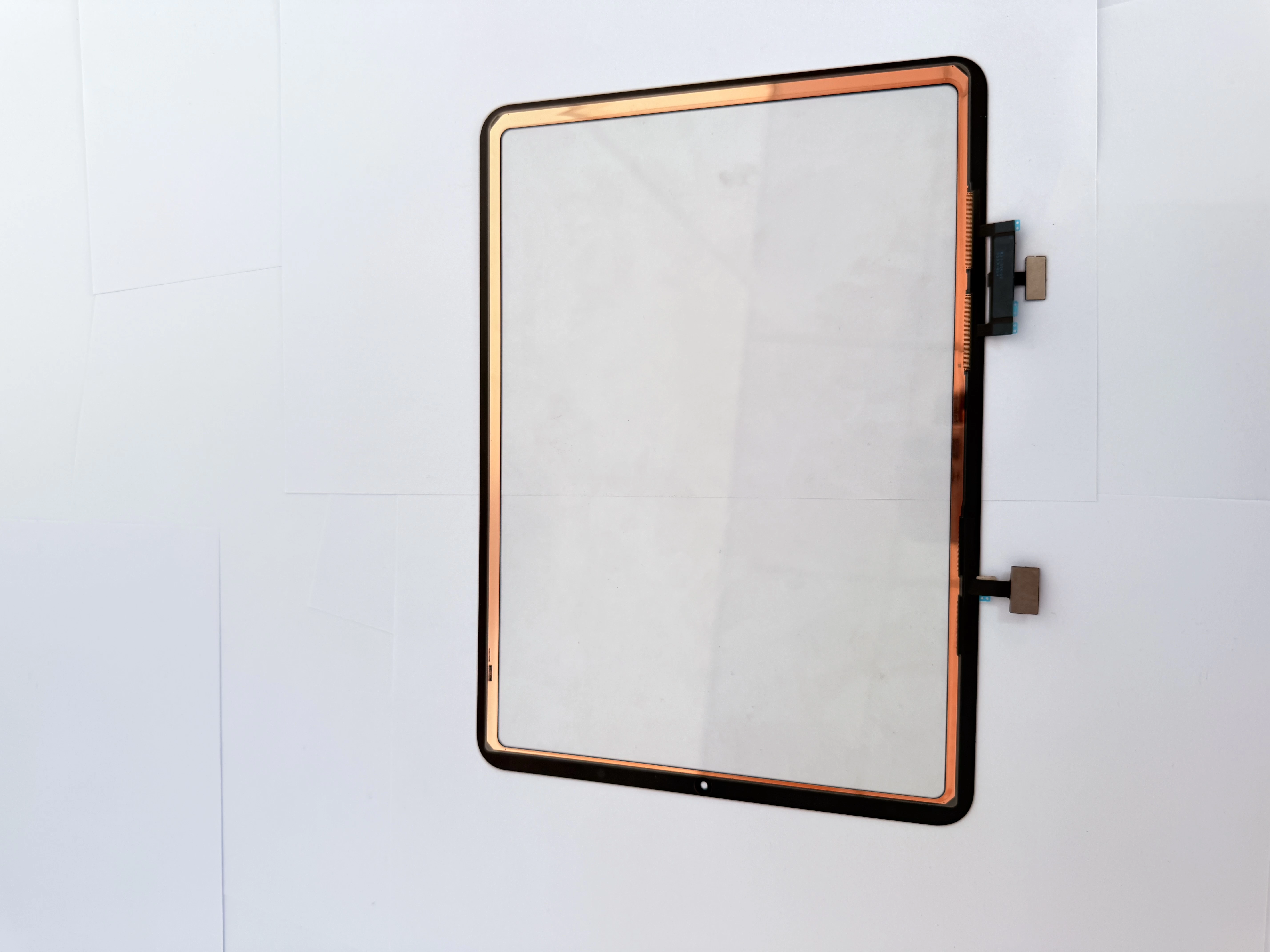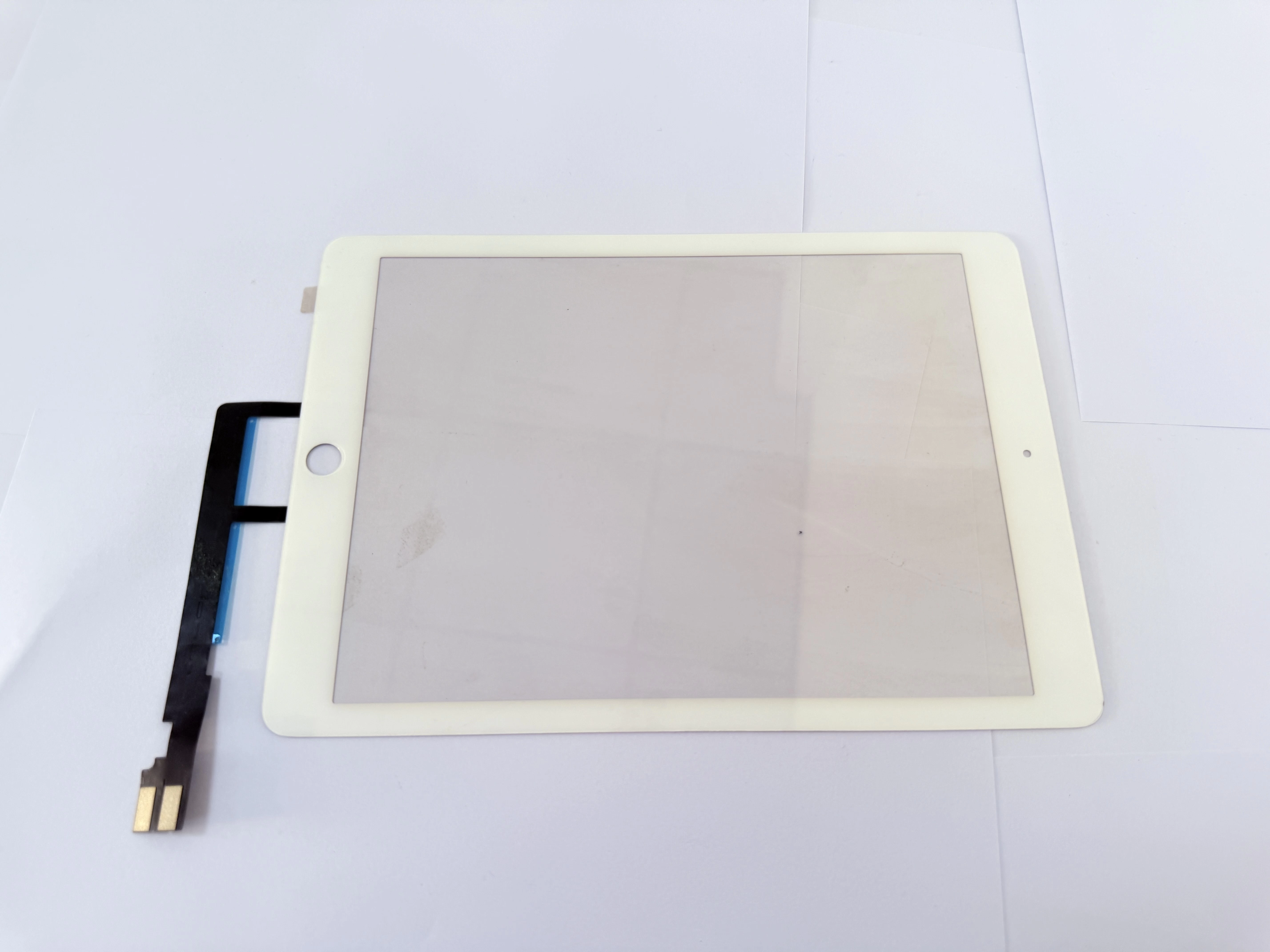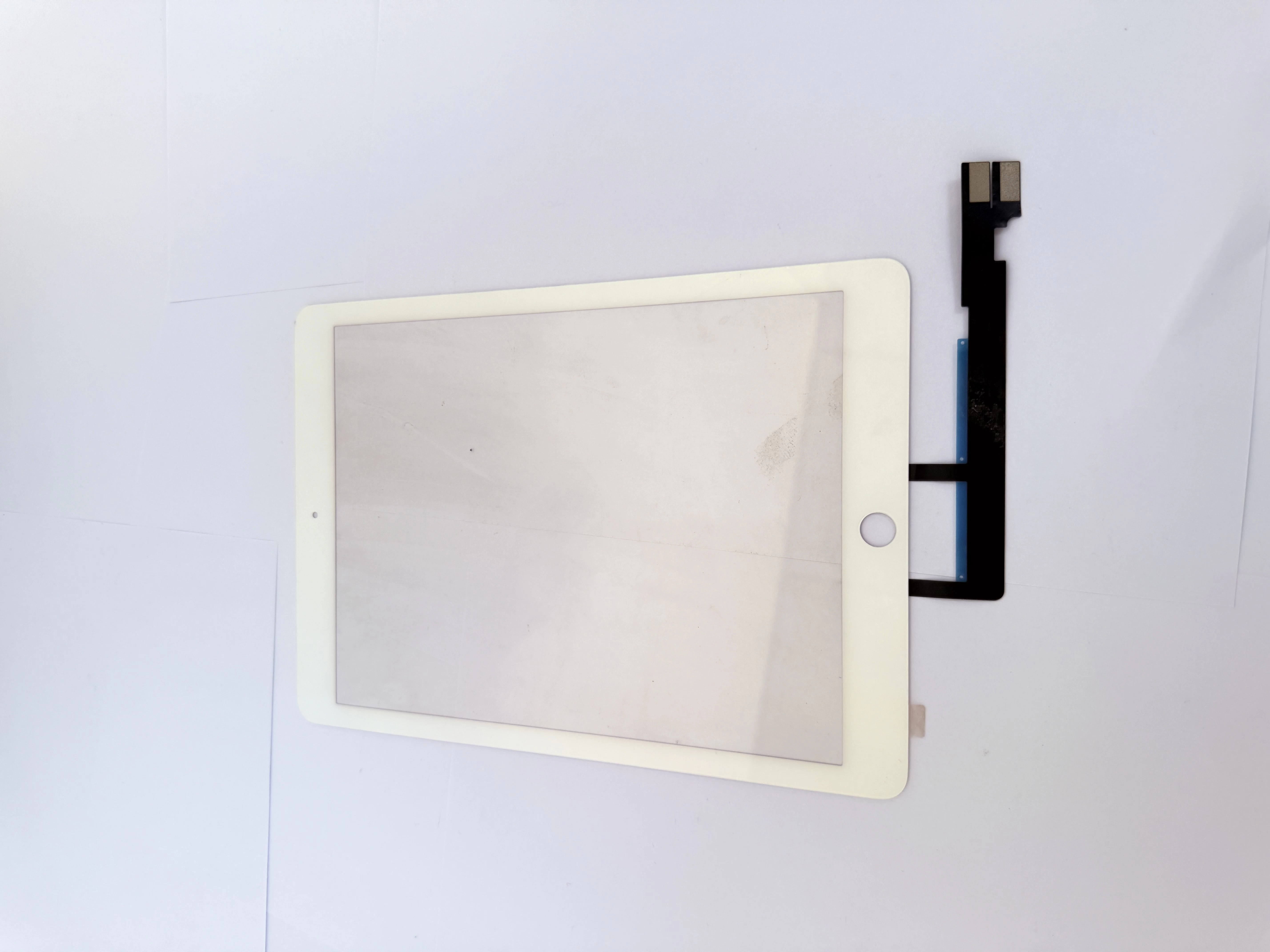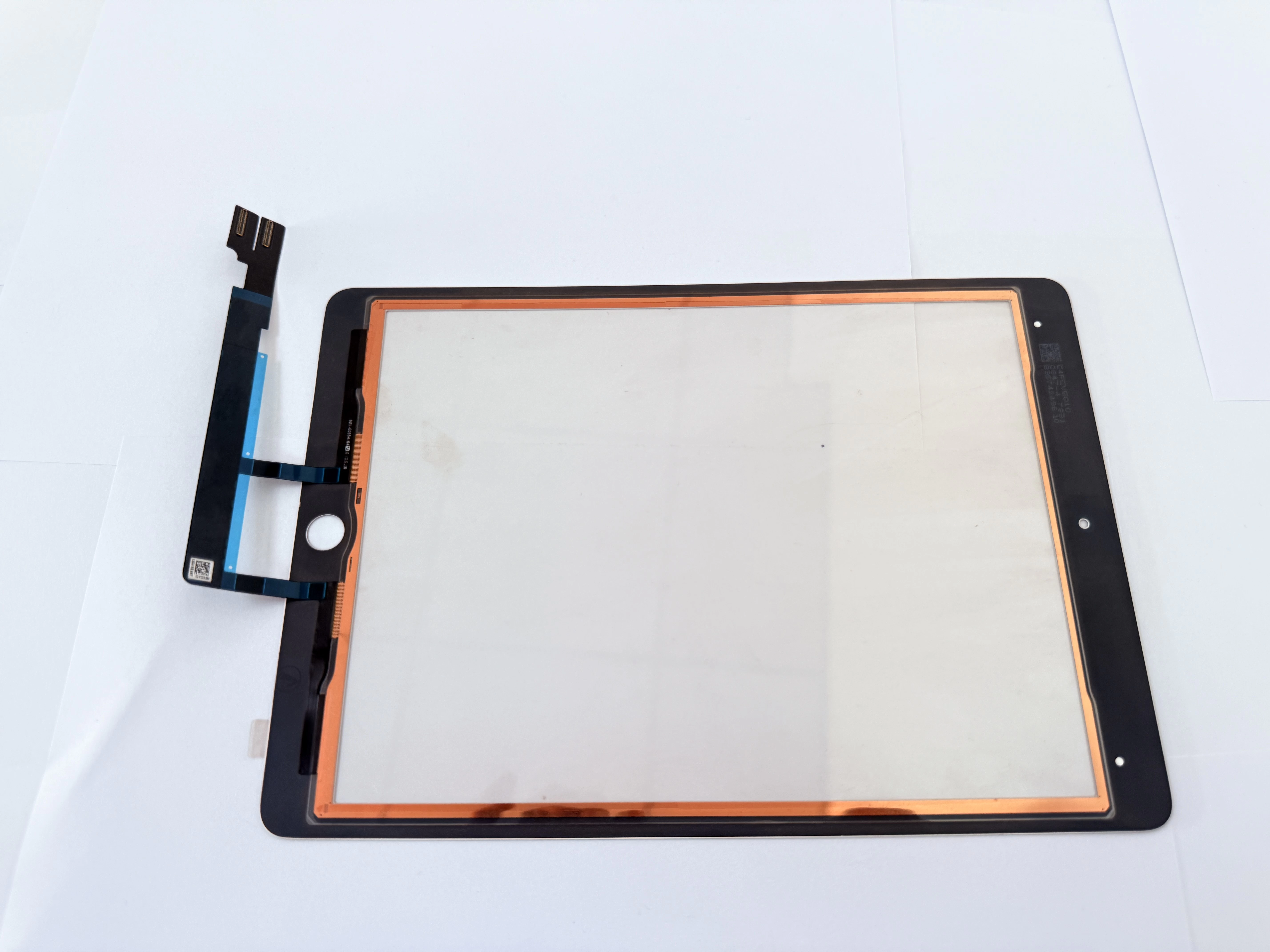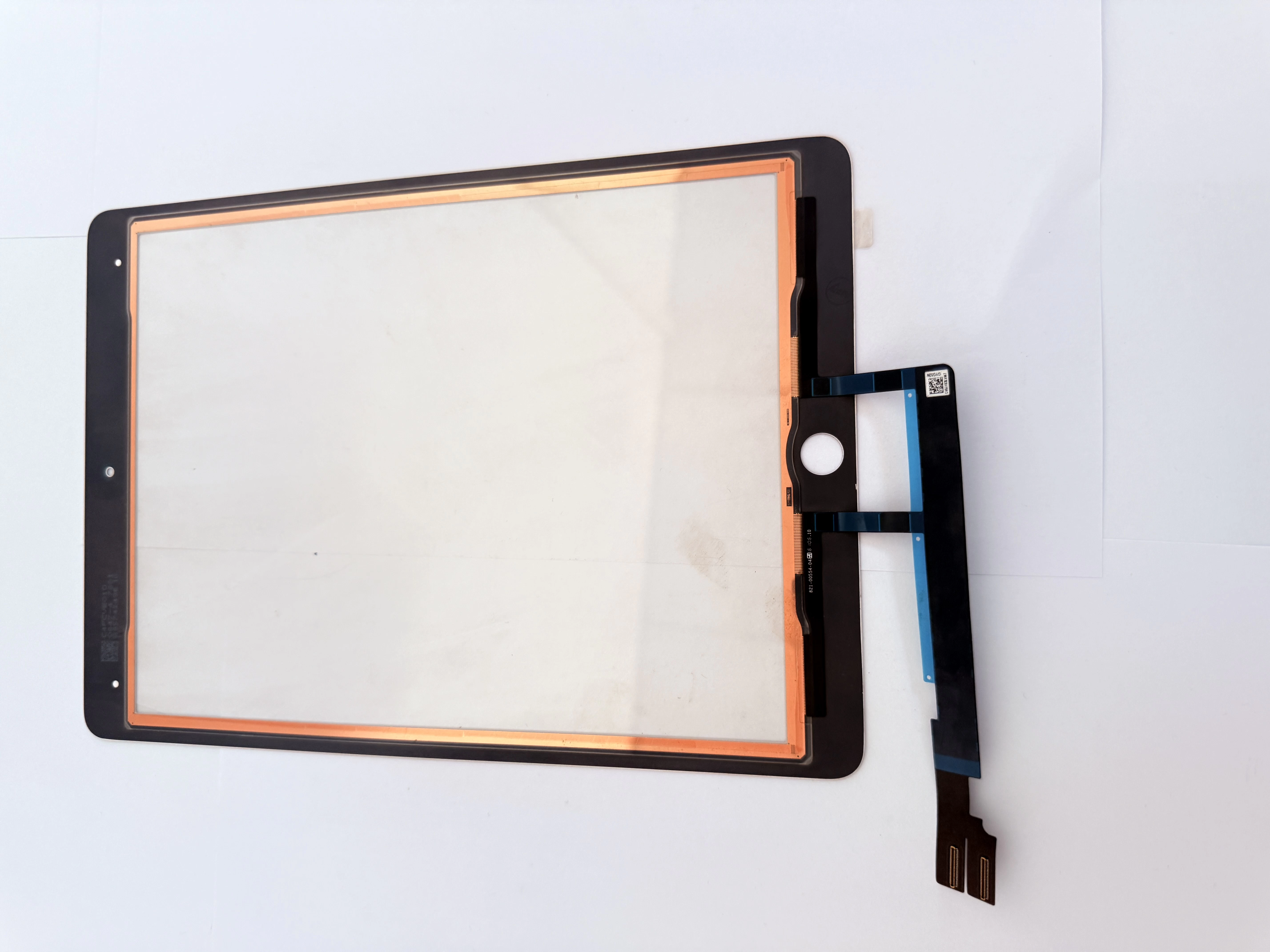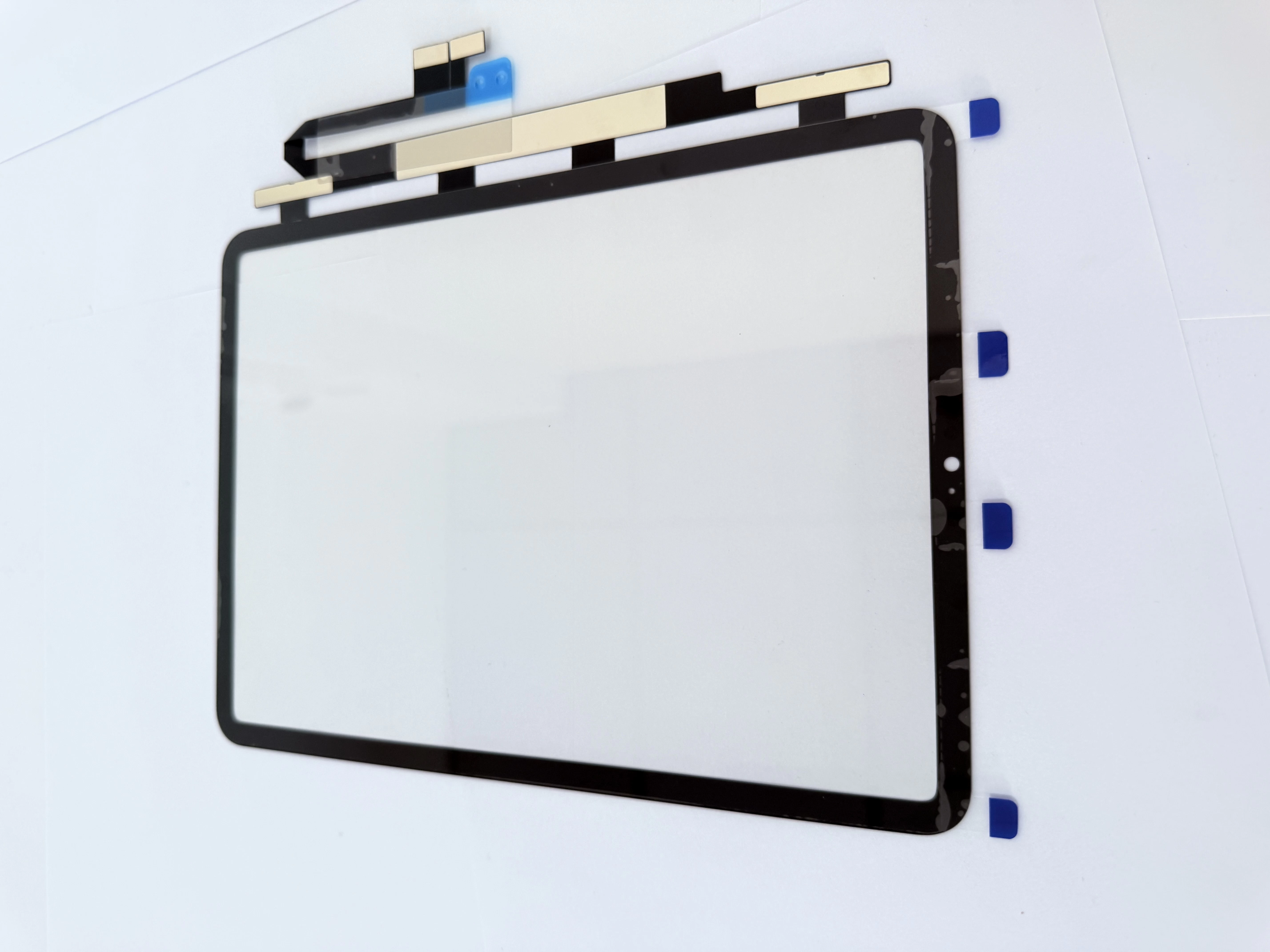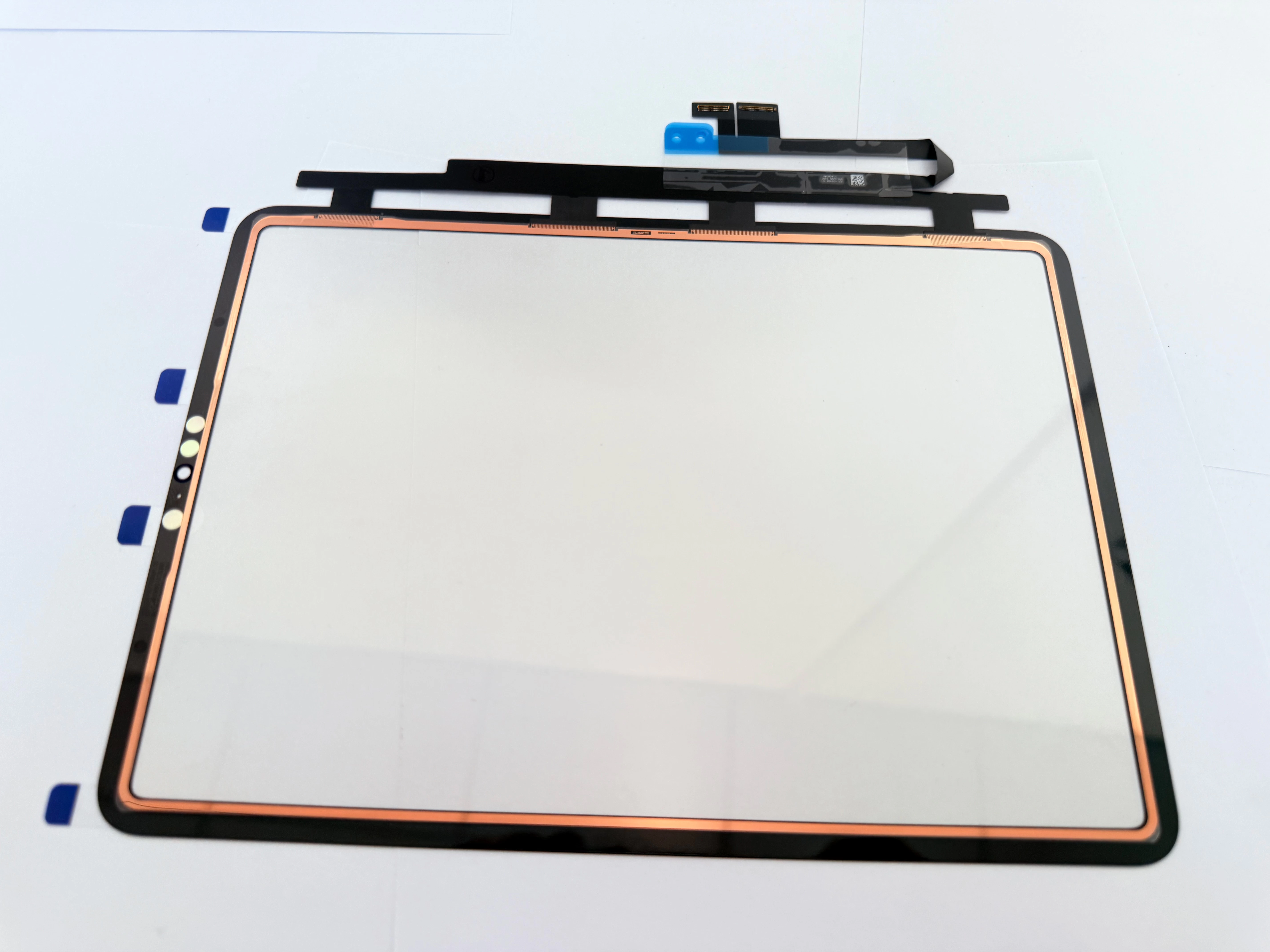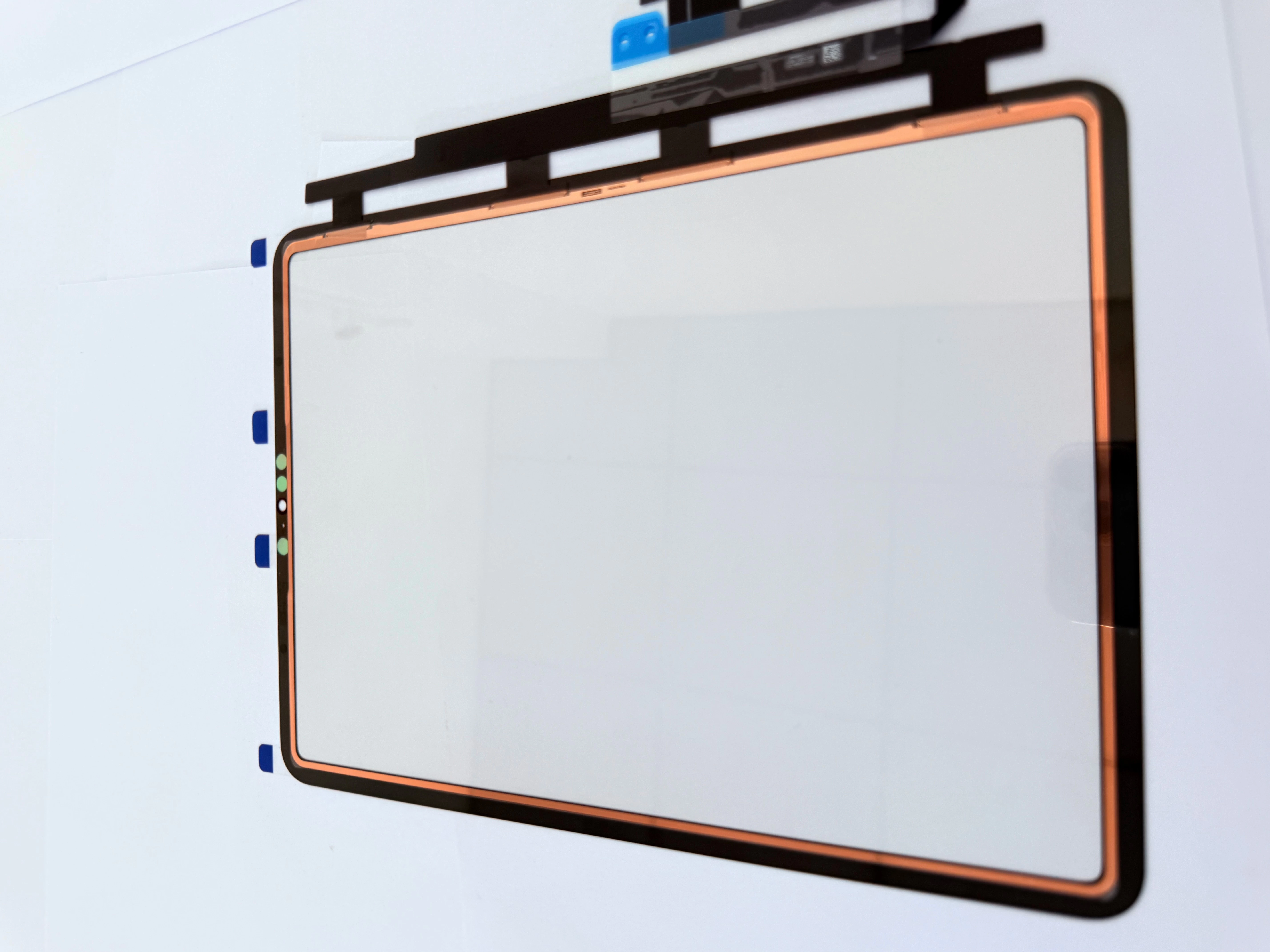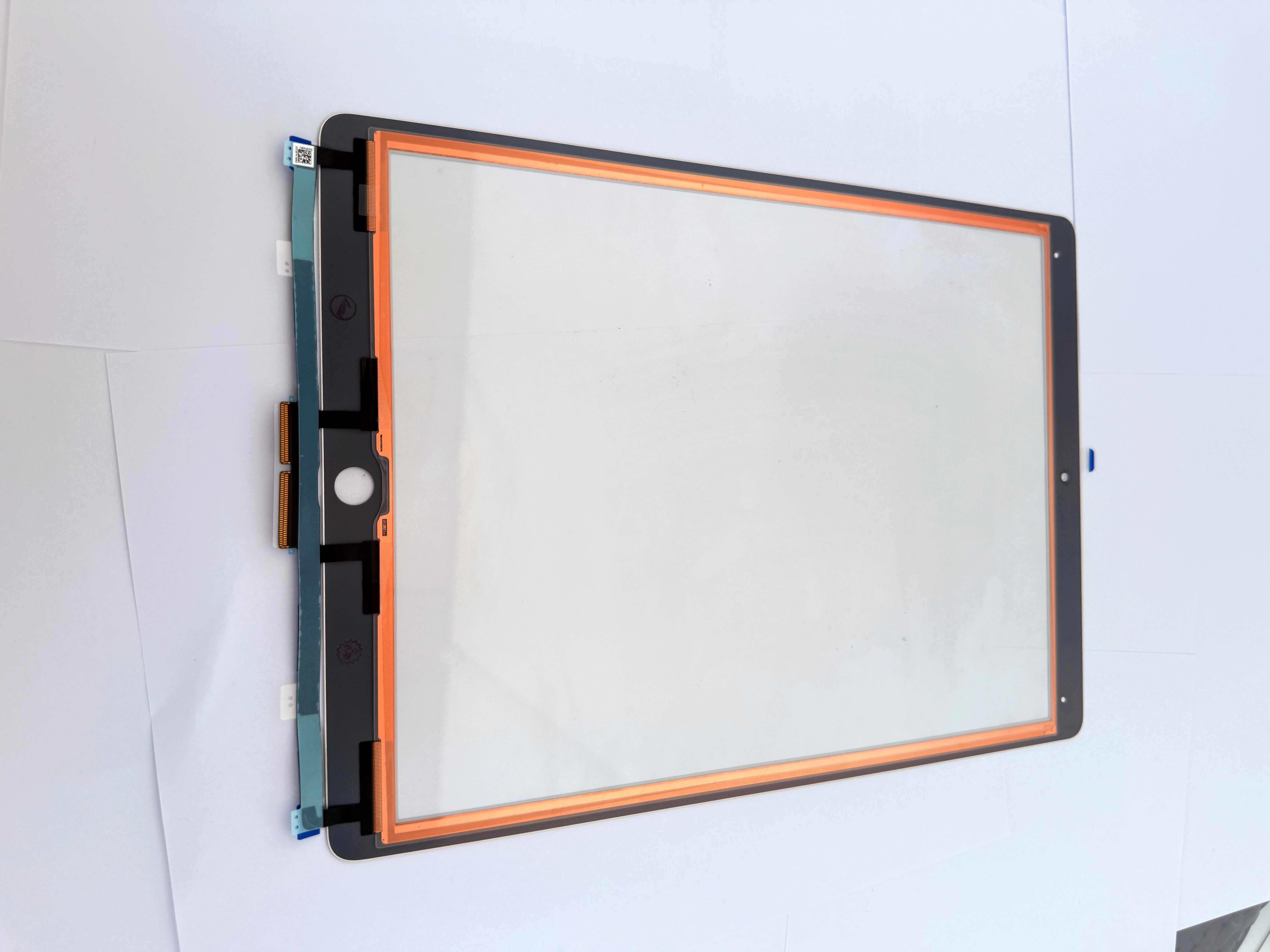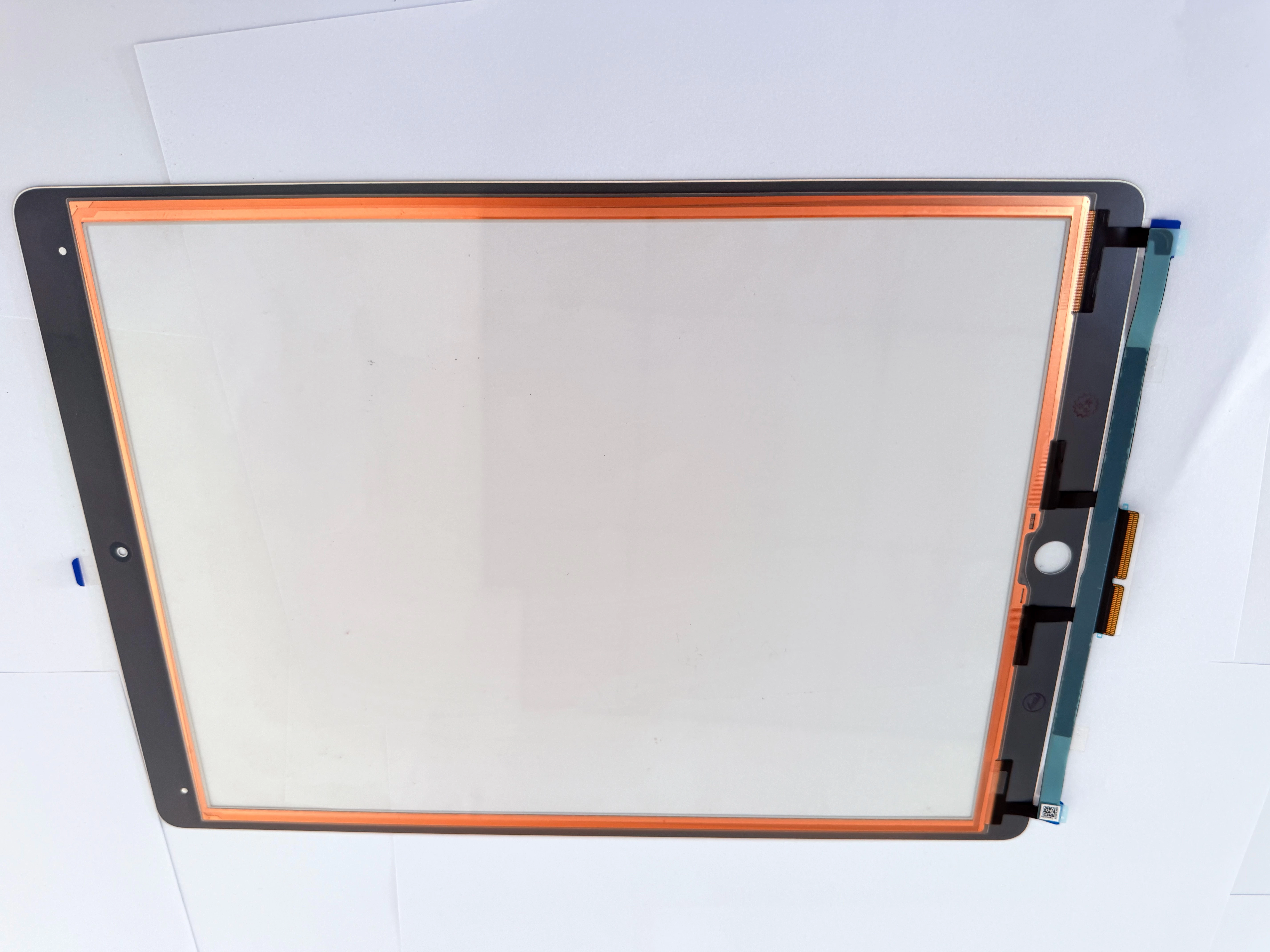
iPad 7 Screen Repair Guide: Touch Screen Replacement for 10.2-inch iPad
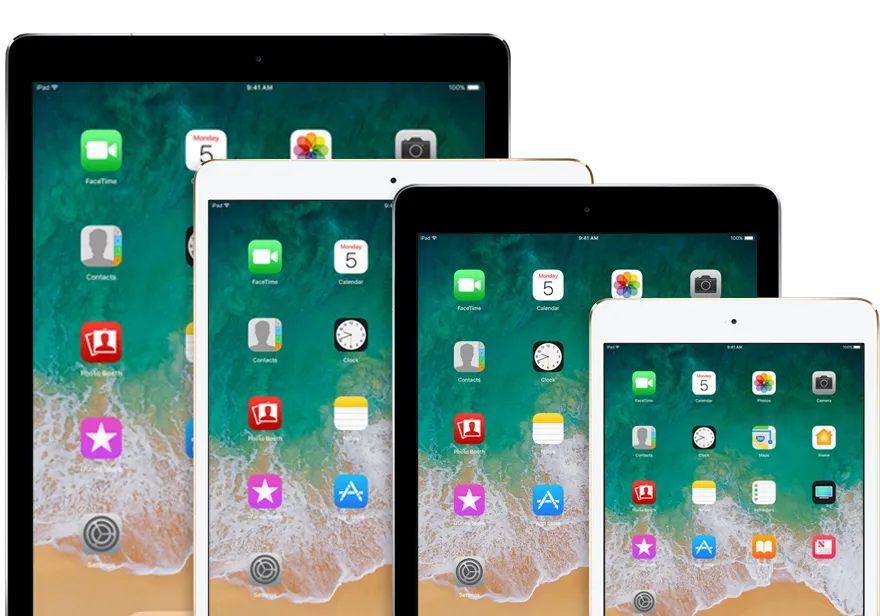
The iPad 7th generation is a 10.2-inch tablet released by Apple in 2019. It uses a Retina display with 2160 × 1620 resolution, and the common model numbers include A2197 for Wi-Fi version and A2198 / A2200 for Wi-Fi + Cellular versions. Apple’s official model identification page lists A2197, A2198 and A2200 as iPad 7th generation model numbers.
Although the iPad 7 is newer than the iPad 5 and iPad 6, it is also widely used in schools, offices, repair shops, second-hand markets and refurbishment businesses. Because of its larger 10.2-inch screen, cracked glass, touch failure and ghost touch are still common repair problems.
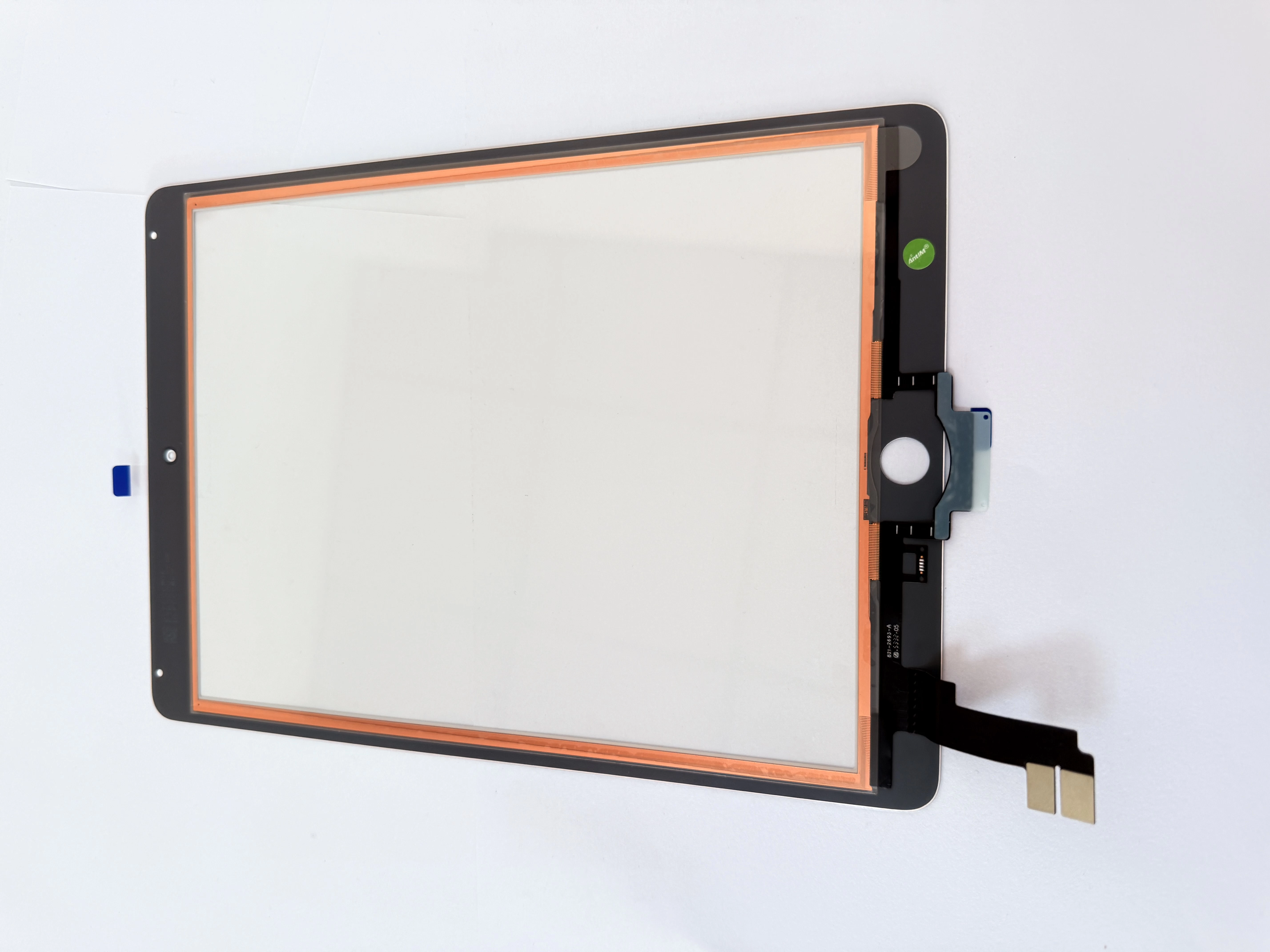
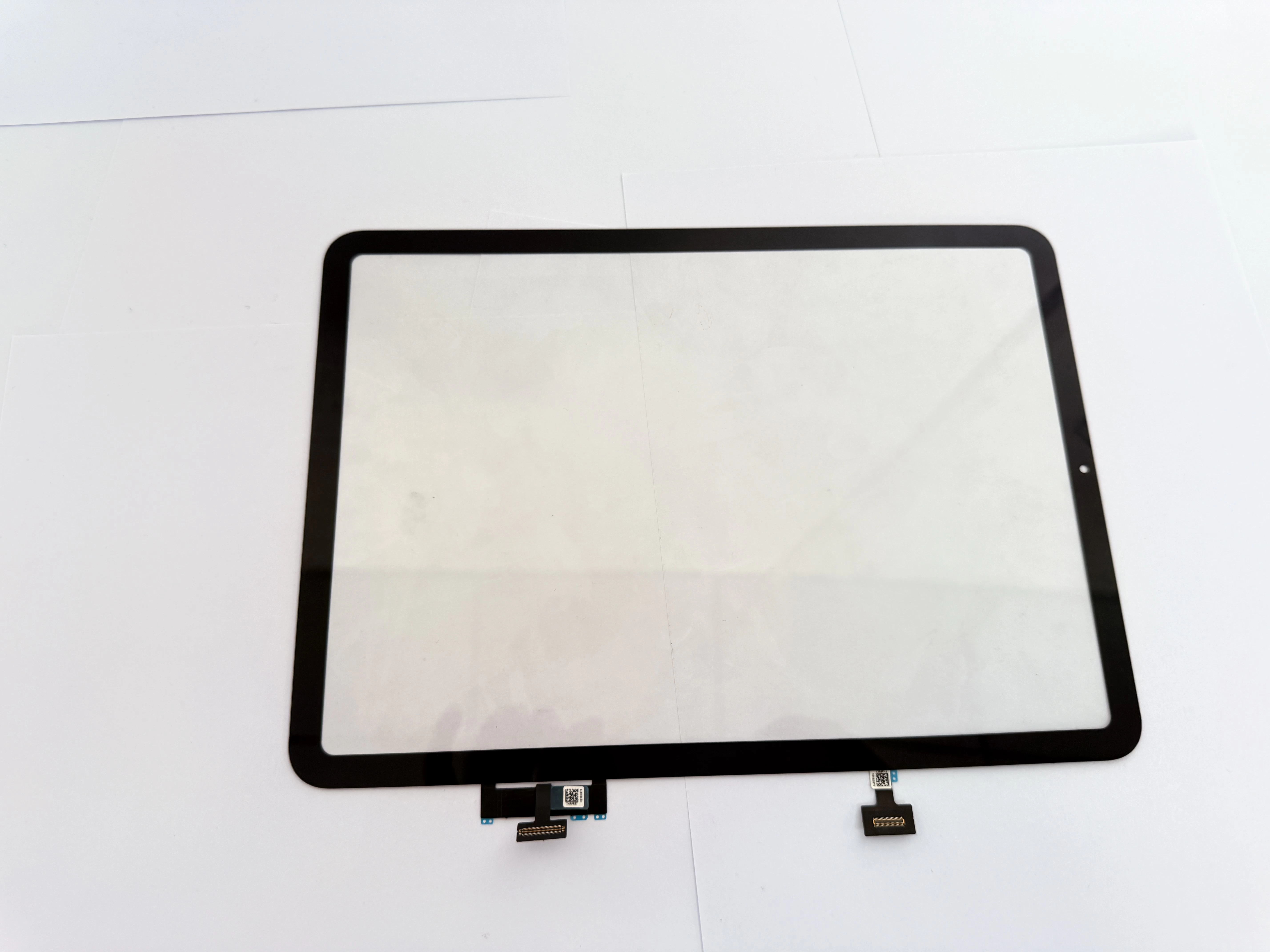
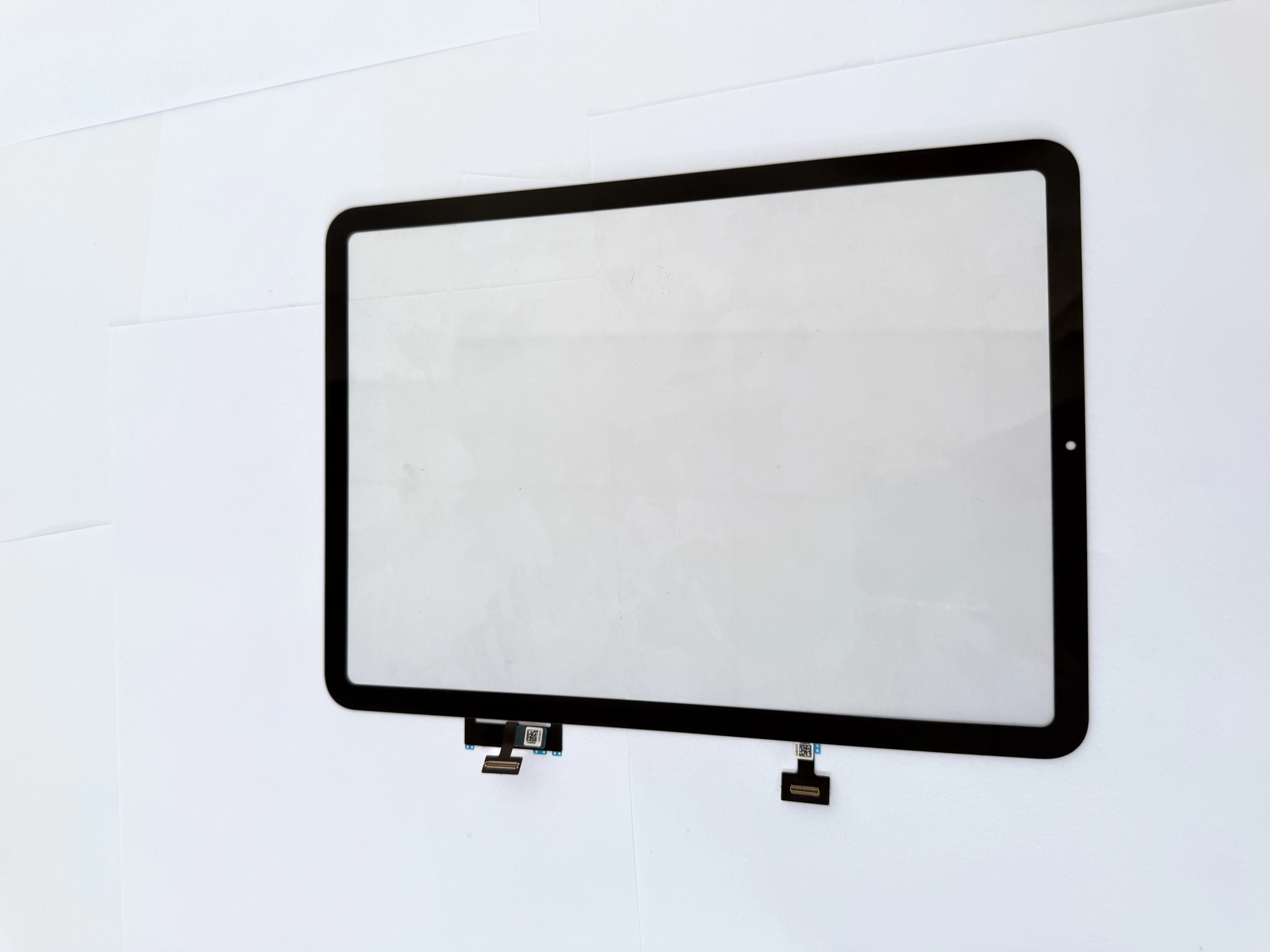
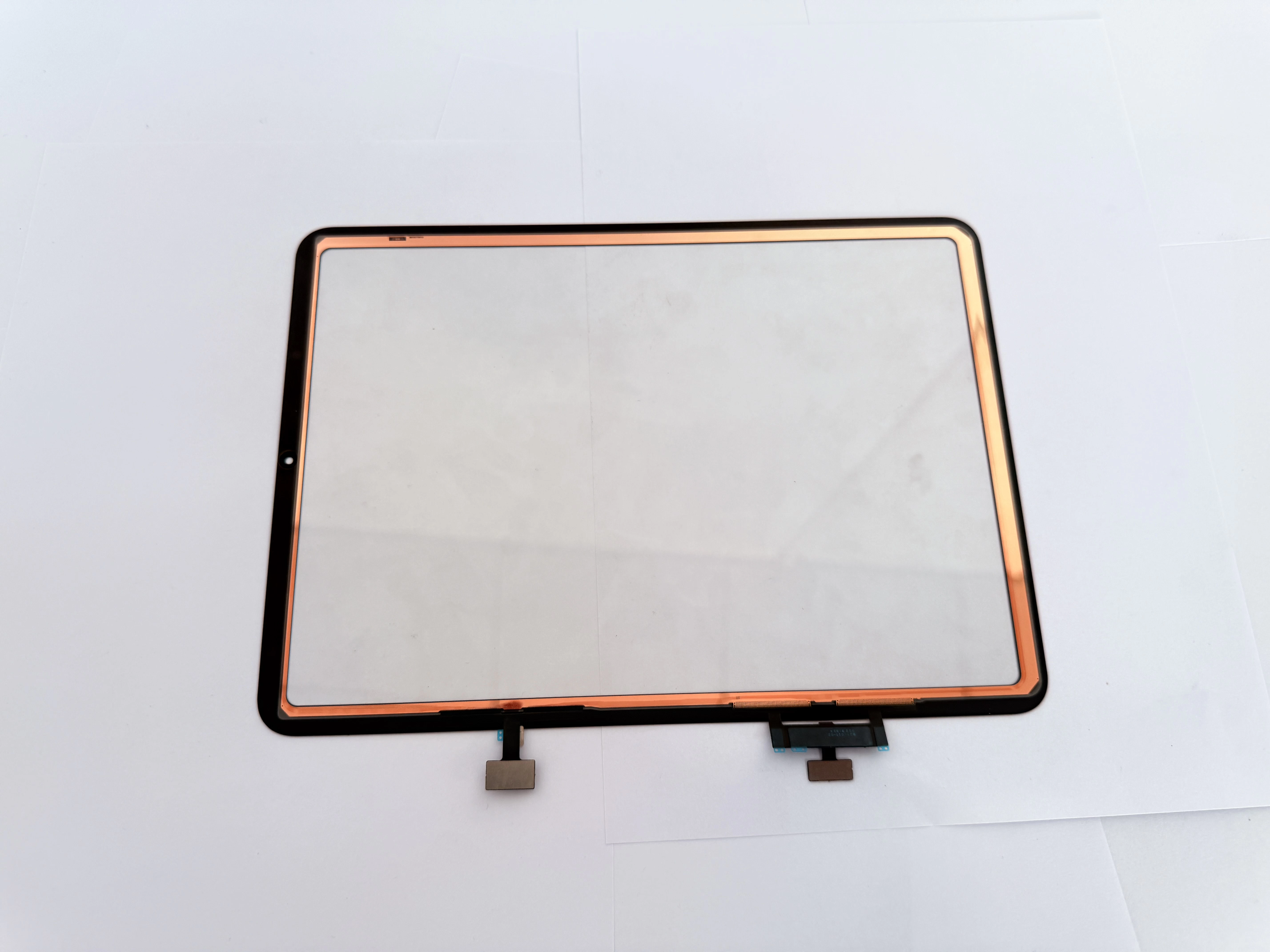
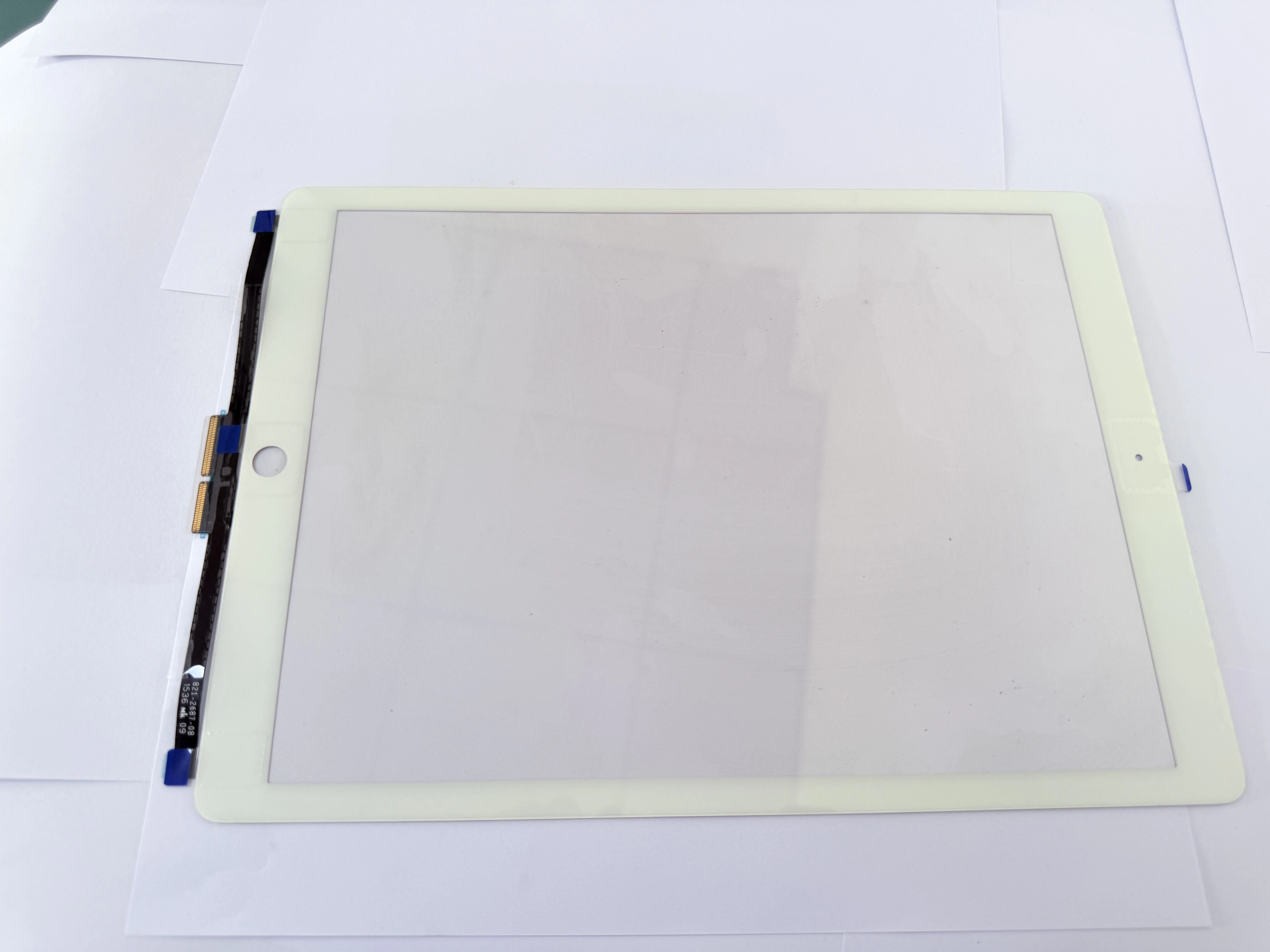
For repair shops and wholesalers, iPad 7 touch screen replacement remains a practical and high-demand repair service. In many cases, the LCD display still works normally, while only the front touch screen digitizer needs to be replaced.
Common iPad 7 Screen Problems
Before repairing an iPad 7, technicians should first check the actual fault. Different screen symptoms may require different repair solutions.
| Problem | Possible Cause | Repair Solution |
|---|---|---|
| Front glass cracked | Drop damage, pressure damage | Replace touch screen digitizer |
| Touch screen not responding | Damaged digitizer, loose connector | Test and replace digitizer |
| Ghost touch | Poor-quality digitizer, connector issue, frame pressure | Reinstall or replace touch screen |
| Partial touch failure | Digitizer dead zone | Replace digitizer |
| Display lines | LCD damage or connector issue | Test LCD and connector |
| Black screen | LCD, battery or motherboard issue | Diagnose power and display circuit |
| Home button failure | Home button flex cable damage | Check original home button carefully |
| Screen lifting after repair | Poor adhesive or bent frame | Clean frame and use proper adhesive |
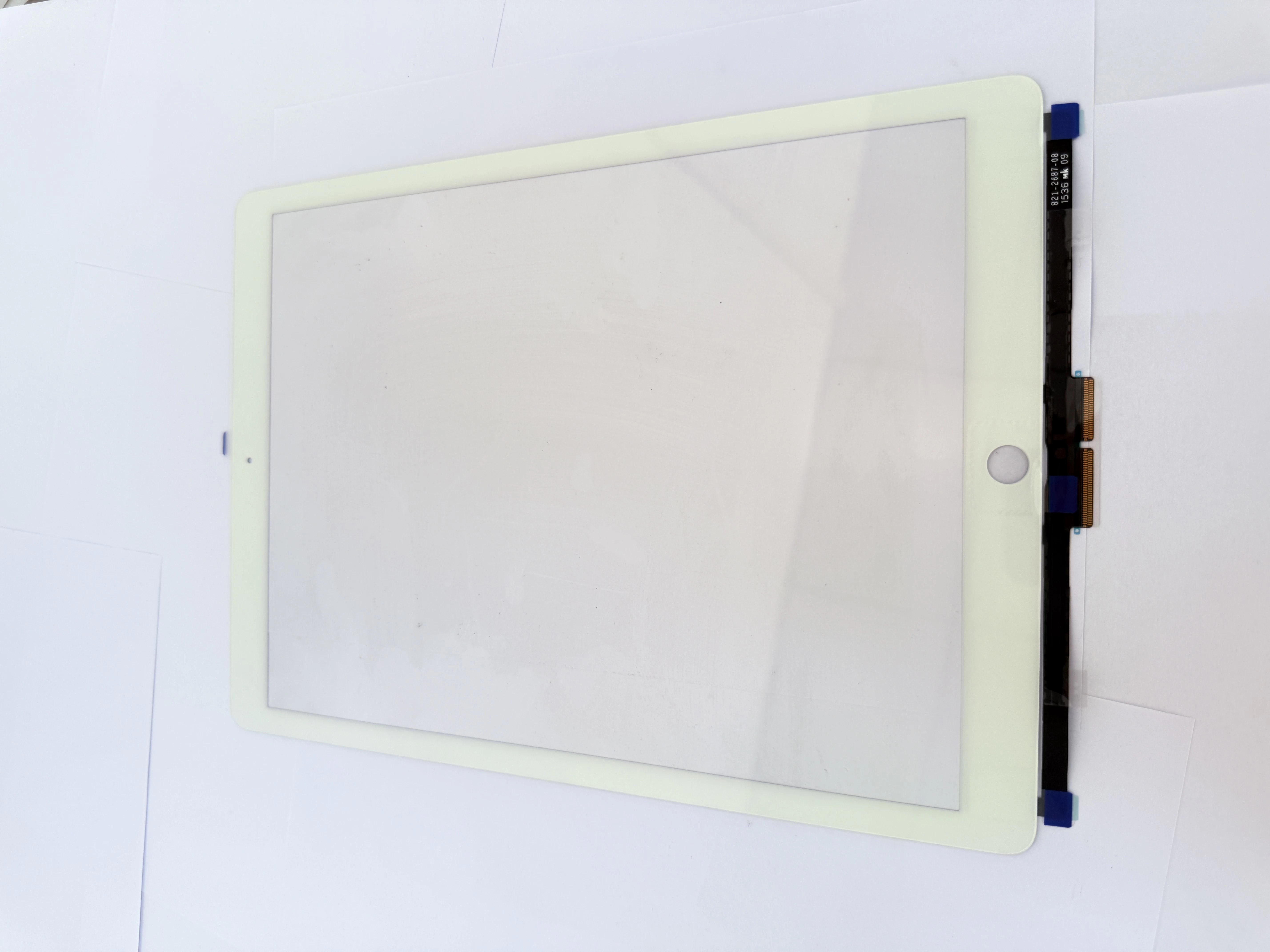
For iPad 7, the touch screen digitizer and LCD are separate parts. If the display image is normal but touch does not work, replacing the touch screen digitizer is usually the most practical repair solution.
Confirm the Correct iPad 7 Model Before Repair
Before ordering replacement parts, always confirm the model number on the back cover of the iPad.
| iPad Version | Model Number |
|---|---|
| iPad 7 Wi-Fi | A2197 |
| iPad 7 Wi-Fi + Cellular | A2198 / A2200 |
This step is very important. iPad 7, iPad 8 and iPad 9 are all 10.2-inch models, and their appearance may look similar. However, repair shops should still confirm model compatibility before ordering touch screen parts.
Using the wrong digitizer may cause connector mismatch, poor fitting, unstable touch response or installation failure.
When Does the iPad 7 Need Touch Screen Replacement?
An iPad 7 usually needs a new touch screen digitizer when one or more of the following problems appear:
The front glass is cracked but the LCD still displays normally.
The touch screen does not respond after restart and testing.
Some areas of the screen cannot be touched.
The iPad shows ghost touch or random touch behavior.
The glass is broken near the home button area.
The digitizer flex cable is damaged during previous repair.
The screen was replaced before but touch sensitivity is unstable.
If the LCD image is clear, bright and stable, the fault is often related to the front touch screen digitizer instead of the LCD.
Basic iPad 7 Screen Repair Process
1. Power Off the Device
Before opening the iPad, power off the device completely. Do not repair the iPad while it is turned on. This helps reduce the risk of short circuits, accidental touch input and connector damage.
2. Heat the Screen Edges
The iPad 7 front glass is fixed with strong adhesive. Heat the screen edges evenly to soften the adhesive before opening.
Avoid overheating one area for too long, especially near the LCD, battery, home button and flex cable area.
3. Open the Front Glass Carefully
Use professional opening tools to separate the front glass from the frame. Do not insert the tool too deeply, because this may damage the LCD, antenna, home button flex cable or internal components.
The home button area requires extra care. If the original home button is damaged, Touch ID function may be affected.
4. Disconnect the Digitizer Flex Cable
After opening the front glass, disconnect the digitizer flex cable carefully. Do not pull the cable by force.
Technicians should check whether the connector is clean, aligned and free from corrosion or physical damage.
5. Transfer the Original Home Button
The original home button should be transferred from the broken screen to the new touch screen digitizer.
This step must be done carefully because the home button flex cable is delicate. If the cable is torn, bent or damaged, Touch ID may stop working.
6. Test the New Touch Screen Before Sealing
Before applying adhesive and sealing the screen, connect the new digitizer and test all touch functions.
Technicians should test:
Full-screen touch response.
Four-corner touch sensitivity.
Keyboard input.
App icon dragging.
Multi-touch gestures.
Home button function.
No ghost touch.
No dead zones.
No delayed touch response.
Only after the test is passed should the screen be sealed.
7. Clean the Frame and Apply Adhesive
Remove old adhesive, glass fragments, dust and residue from the frame. A clean frame helps the new touch screen fit better and reduces the risk of screen lifting after repair.
Use suitable pre-cut adhesive tape for iPad 7. Make sure the adhesive does not cover the camera, speaker holes, sensors or flex cable area.
8. Seal and Final Test
After aligning the new screen, press the touch screen into place carefully. Apply even pressure around the edges.
After sealing, test the touch function again to confirm the repair result.
Important Repair Tips for iPad 7
Keep the Original Home Button
The original home button should be preserved whenever possible. Damaging the home button flex cable may affect Touch ID function.
Test Before Final Installation
Never seal the screen before testing the new digitizer. Pre-installation testing helps avoid unnecessary rework.
Check the Frame Carefully
If the iPad frame is bent after a drop, the new screen may not fit properly. A bent frame can cause screen lifting, touch problems or glass cracking after repair.
Use Reliable Adhesive
Poor adhesive may cause the screen edge to lift after several days. Strong and accurate adhesive helps improve repair quality.
Avoid Low-Quality Digitizers
Low-quality iPad 7 digitizers may cause ghost touch, dead zones, poor sensitivity or early failure. For repair shops, this can increase customer complaints and after-sales costs.
How to Choose a Good iPad 7 Touch Screen Digitizer
For repair shops, wholesalers and distributors, choosing a reliable iPad 7 touch screen digitizer is very important.
A good iPad 7 replacement digitizer should have:
Stable touch sensitivity.
Accurate compatibility for A2197, A2198 and A2200.
Clean glass surface.
Reliable flex cable quality.
Good fitting with the iPad frame.
Support for original home button transfer.
Pre-shipment quality testing.
Safe packaging for bulk orders.
Stable batch quality.
For wholesale buyers, price should not be the only factor. A cheap digitizer with a high defect rate may increase repair cost, return cost and customer complaints.
Stable quality is more valuable for long-term repair business.
iPad 7 Digitizer vs LCD Replacement
In many iPad 7 repairs, replacing the touch screen digitizer is enough. However, the LCD also needs to be replaced if the display itself is damaged.
The LCD may need replacement if the iPad has:
Black screen.
No backlight.
Display lines.
White spots.
Flickering image.
Ink-like marks.
Cracked LCD panel.
Abnormal color.
Display failure after impact.
If the LCD display is normal and only the touch function fails, replacing the digitizer is usually enough. If both touch and display are damaged, technicians should inspect both parts before repair.
Why Repair Shops Still Need iPad 7 Screen Parts
The iPad 7 is still widely used in education, office work, home entertainment and second-hand tablet markets. Many schools and companies still use iPad 7 devices in large quantities.
For repair shops, this means continuous demand for iPad 7 touch screen replacement. Keeping iPad 7 digitizers in stock can help repair businesses respond faster to customer repair needs.
For wholesalers and distributors, iPad 7 replacement parts are suitable for repair chains, school device maintenance projects, refurbishment businesses and regional spare parts supply.
Conclusion
iPad 7 screen repair is still a common service in the tablet repair market. If the front glass is cracked or the touch function fails while the LCD still works normally, replacing the iPad 7 touch screen digitizer is usually the most practical solution.
For a successful repair, technicians should confirm the correct model number, protect the original home button, test the new digitizer before sealing, clean the frame carefully and use reliable replacement parts.
For repair shops and wholesalers, choosing a stable iPad 7 touch screen supplier can help reduce return rates, improve repair quality and support long-term business growth.
Call to Action
Looking for reliable iPad 7 touch screen digitizer replacement parts for repair shops, wholesalers or distributors?
Contact us today to get iPad 7 touch screen parts for A2197, A2198 and A2200, with stable quality, safe packaging, bulk order support and OEM/ODM cooperation options.