In the digital era, visualization display walls have become standard facilities for corporate exhibition halls, dispatch command centers and park management. During procurement, many buyers fall into traps of chasing lower prices and over‑spec hardware. After project delivery, issues such as insufficient brightness, incompatible systems and high maintenance costs start to appear.
Mistake 1: Blindly pursue ultra‑fine pixel pitch without checking viewing distance.
Smaller pixel pitch delivers sharper images, yet it is not always necessary. For indoor scenarios with 3‑5‑meter viewing distance, P1.5‑P2.5 panels work well. Over‑pursuing tiny pixel pitch will sharply raise budgets with limited real visual improvement for long‑distance viewing.
Mistake 2: Value hardware while underestimating software platforms.
Even premium panels cannot perform well with weak supporting software. Poor platforms fail to connect business data sources, support remote content publishing or role‑based access control. Prioritize open‑architecture control systems for easy third‑party integration and avoid vendor lock‑in.
Mistake 3: Neglect on‑site environmental conditions.
Bright exhibition rooms require high‑brightness screens. Command centers running 7×24 demand reliable heat dissipation. Outdoor installations must resist water, dust and extreme temperature. Poor environmental assessment causes reflection, screen aging and frequent breakdowns.
Mistake 4: Compare only upfront quotes, ignore full‑life‑cycle costs.
Initial purchase is just part of total expenditure. Spare‑part replacement, on‑site service, system upgrades and labor shall be calculated. Low‑cost hardware often suffers higher failure rates and brings bigger overall expenses later.
Mistake 5: Reuse generic templates without business alignment.
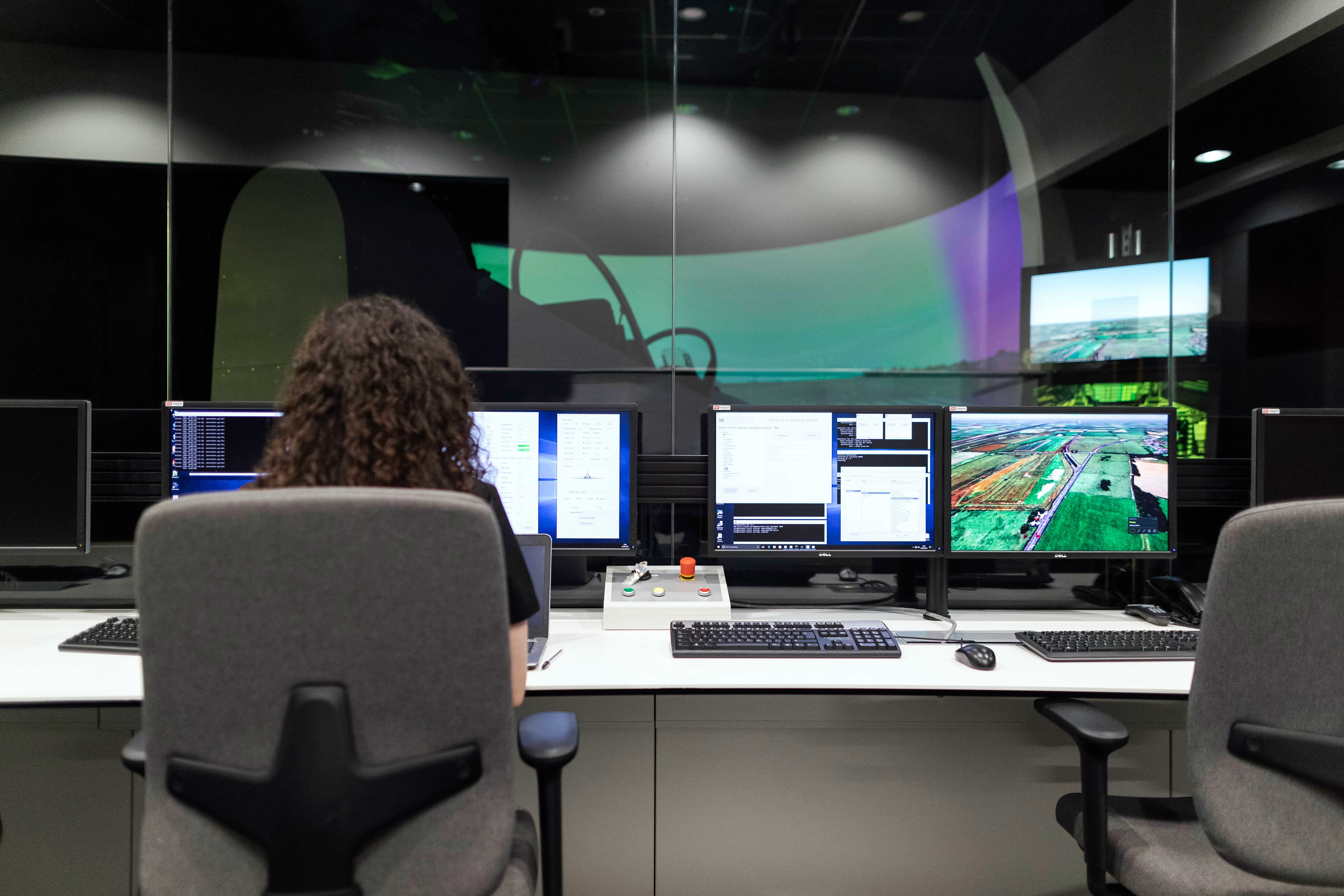
Display walls are more than decorative decorations. Command centers highlight real‑time monitoring and alerts; exhibition halls focus on brand presentation; factory screens show production KPIs. Custom layouts based on actual business needs perform far better than copied templates.
The core principle for display wall selection: prioritize scenarios, keep specifications reasonable, balance hardware‑software and attach importance to after‑sales support. Thorough requirement analysis and site survey lay the foundation for stable, practical visualization projects.
случаи